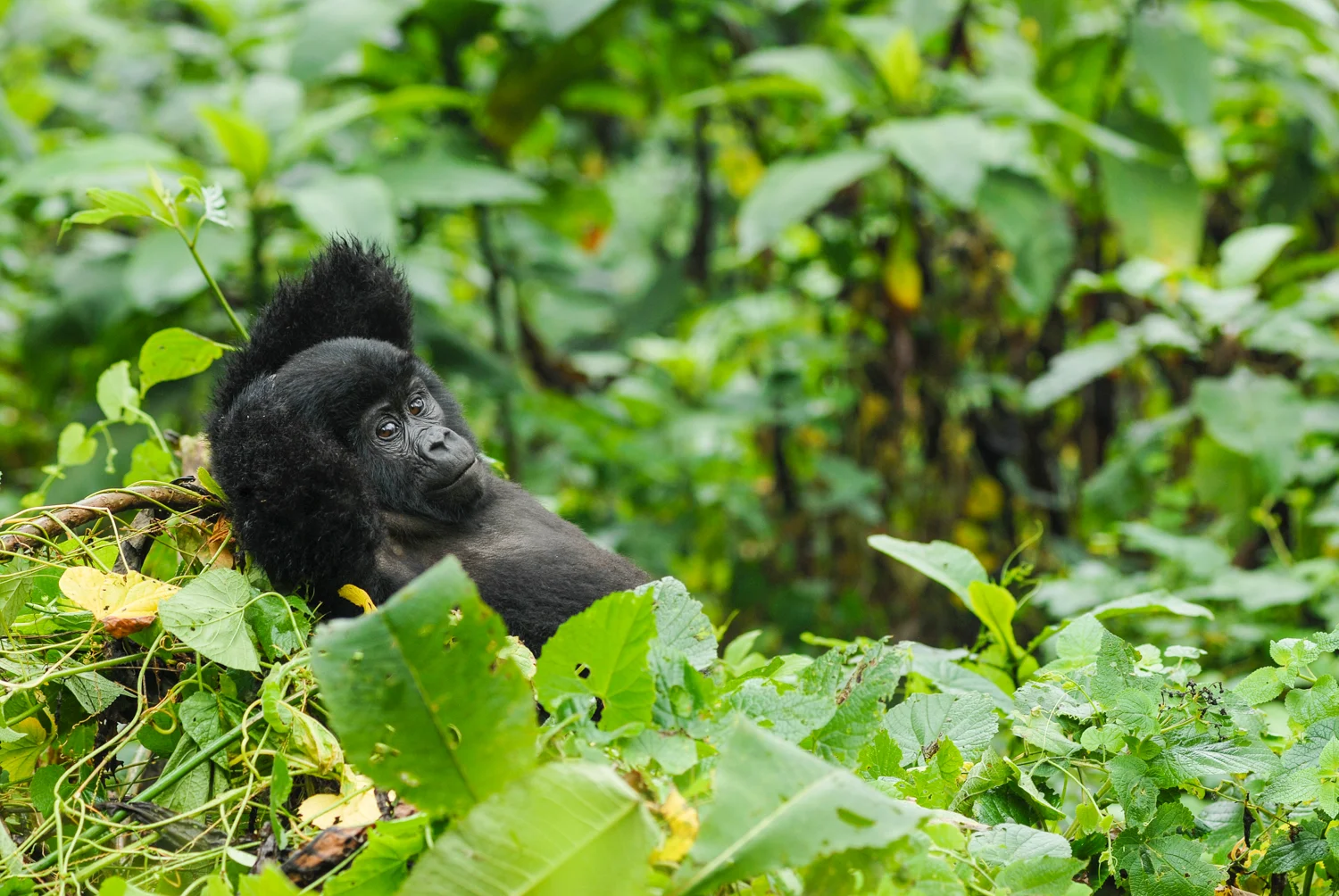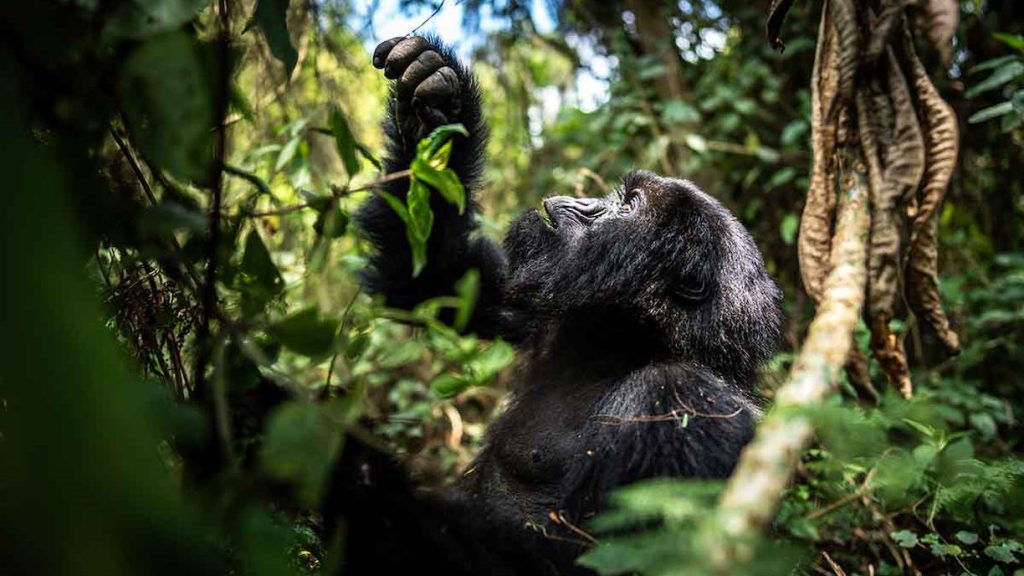

Gorilla trekking Rwanda is one of Africa's most
remarkable wildlife experiences, offering visitors the opportunity to observe
endangered mountain gorillas in their natural forest habitat. The activity
takes place in Volcanoes National Park, located in the northwestern part of the
country near the Virunga Mountains. Every year, thousands of travelers visit
Rwanda to spend an hour with habituated gorilla families under the guidance of
professional trackers and park rangers. Gorilla trekking Rwanda combines conservation,
adventure, and nature in a way that few wildlife activities can match. The
opportunity to watch gorillas feeding, grooming, playing, and caring for their
young provides a unique insight into the lives of these gentle giants. The
experience creates lifelong memories while supporting efforts to protect
mountain gorillas and their fragile ecosystems.
Why Rwanda Is
Famous for Gorilla Trekking
Rwanda has built a strong reputation as one of the
best places in the world to see mountain gorillas. Gorilla trekking Rwanda is
particularly popular because of the country's well-developed tourism
infrastructure, excellent road network, and easy access from Kigali
International Airport. Visitors can reach Volcanoes National Park in only a few
hours, making it possible to include gorilla trekking in short travel
itineraries. Rwanda has invested heavily in conservation and sustainable
tourism, creating a high-quality visitor experience while protecting wildlife
habitats. Gorilla trekking Rwanda is carefully managed to ensure minimal impact
on gorilla families and their environment. The country's commitment to
conservation has helped increase mountain gorilla populations while generating
tourism revenue that benefits local communities and supports long-term wildlife
protection initiatives.
Volcanoes
National Park
Volcanoes National Park is the heart of Gorilla
trekking Rwanda and one of Africa's most important conservation areas. Covering
a section of the Virunga mountain range, the park is characterized by bamboo forests,
montane vegetation, and dramatic volcanic landscapes. Several habituated
gorilla families are available for trekking, allowing visitors multiple
opportunities to observe these incredible primates. The park is also home to
golden monkeys, various bird species, and unique plant life that enhance the
overall experience. Gorilla trekking Rwanda in Volcanoes National Park offers a
combination of wildlife viewing and beautiful mountain scenery. The park gained
international recognition through the conservation work of Dian Fossey, whose
efforts helped raise awareness about the protection of mountain gorillas and
their natural habitat.
Gorilla Permits
and Advance Booking
Obtaining a permit is a mandatory requirement for
Gorilla trekking Rwanda. Permits are issued by Rwanda Development Board and
allow visitors access to a designated gorilla family on a specific trekking
date. Due to the popularity of the experience, permits should be secured well
in advance, particularly during peak travel seasons. The permit fee contributes
directly to conservation programs, park management, anti-poaching operations,
and local development projects. Many travelers book permits through reputable
tour operators who also organize transportation, accommodation, and other
safari activities. Gorilla trekking Rwanda becomes much easier when
arrangements are made early because visitors can secure their preferred travel
dates and avoid last-minute disappointments. Advanced planning ensures a smooth
and enjoyable trekking experience from arrival to departure.
Physical Fitness
Requirements
A reasonable level of fitness is recommended for
Gorilla trekking Rwanda because the activity takes place in mountainous
terrain. The duration of each trek depends on the location of the gorilla
family, with some hikes lasting a few hours while others may take much longer.
Visitors often walk through dense vegetation, muddy trails, and steep slopes
during the tracking process. Preparing through regular exercise, hiking, or
walking before the trip can improve comfort and endurance. Gorilla trekking
Rwanda is suitable for most travelers, provided they can manage moderate
physical activity. Professional guides adjust the trekking pace according to
the group's ability, ensuring that participants enjoy the experience safely.
Hiring a porter can also provide extra assistance while supporting local
community livelihoods.
What to Pack for
Gorilla Trekking Rwanda
Packing appropriately is essential for a successful
Gorilla trekking Rwanda experience. Good hiking boots are among the most
important items because trails can be muddy and slippery. Long-sleeved shirts
and trousers help protect against insects and thorny vegetation, while a
waterproof jacket is useful due to the unpredictable mountain weather. Gloves
can be helpful when navigating through dense forest areas. Visitors should also
carry drinking water, snacks, insect repellent, sunscreen, and a camera.
Gorilla trekking Rwanda often involves changing weather conditions, making
layered clothing a practical choice. A lightweight backpack provides convenient
storage for personal items throughout the trek. Proper preparation improves
comfort, safety, and overall enjoyment while trekking through the forests of
Volcanoes National Park.
What Happens on
Trekking Day
The day of Gorilla trekking Rwanda begins early in
the morning with registration and a briefing at the park headquarters in
Kinigi. Experienced park officials explain trekking procedures, conservation
regulations, and safety guidelines before assigning visitors to gorilla groups.
Trekkers are then transported to trailheads where guides and trackers lead them
into the forest. The search for gorillas can take varying amounts of time
depending on their movements. Once the gorillas are located, visitors spend one
carefully regulated hour observing them. Gorilla trekking Rwanda provides
exceptional opportunities to watch family interactions, silverback leadership,
feeding habits, and playful behavior among younger gorillas. The hour spent
with the gorillas is often described as the highlight of a Rwanda safari and
one of Africa's finest wildlife experiences.
Rules and
Responsible Gorilla Viewing
Strict guidelines help ensure the success of Gorilla
trekking Rwanda while protecting the health and welfare of mountain gorillas.
Visitors must maintain a safe distance from the animals and avoid touching them
under any circumstances. Loud noises and sudden movements are discouraged
because they may disturb the gorillas. Flash photography is not permitted
during the viewing session. Individuals showing signs of contagious illness are
not allowed to trek due to the risk of transmitting diseases to the gorillas.
Gorilla trekking Rwanda relies on responsible tourism principles that balance
visitor experiences with conservation objectives. Following these regulations
helps preserve the well-being of gorilla families and ensures that future
generations can continue enjoying this extraordinary wildlife encounter.
Best Time for
Gorilla Trekking Rwanda
Gorilla trekking Rwanda is available throughout the
year because mountain gorillas remain within their forest habitat regardless of
weather conditions. However, many travelers prefer the drier months from June
to September and December to February when trekking trails are generally easier
to navigate. During wetter periods, the forests become greener and visitor
numbers may be lower, providing a more private experience. Gorilla trekking
Rwanda can therefore be enjoyed in any season depending on personal preferences
and travel goals. Weather in the Virunga Mountains can change rapidly, making
it important for visitors to prepare for rain at any time. Regardless of the
season, the opportunity to spend time with mountain gorillas remains equally
rewarding and memorable.
Conservation and
Community Benefits