
The Ngorongoro Crater is one of Tanzania’s most
spectacular safari destinations, famous for its breathtaking landscapes,
abundant wildlife, and remarkable natural beauty. Located within the Ngorongoro
Conservation Area in northern Tanzania, this UNESCO World Heritage Site
features the world's largest intact, unfilled volcanic caldera. Its diverse
habitats support an impressive variety of wildlife, including lions, elephants,
buffaloes, zebras, and the endangered black rhino. Whether you are a wildlife
enthusiast, nature lover, photographer, or adventure seeker, a visit to
Ngorongoro Crater offers unforgettable experiences. From exciting game drives
to scenic viewpoints and cultural encounters, here are the best things to do on
your Tanzania safari.
Enjoy a Game
Drive in Ngorongoro Crater
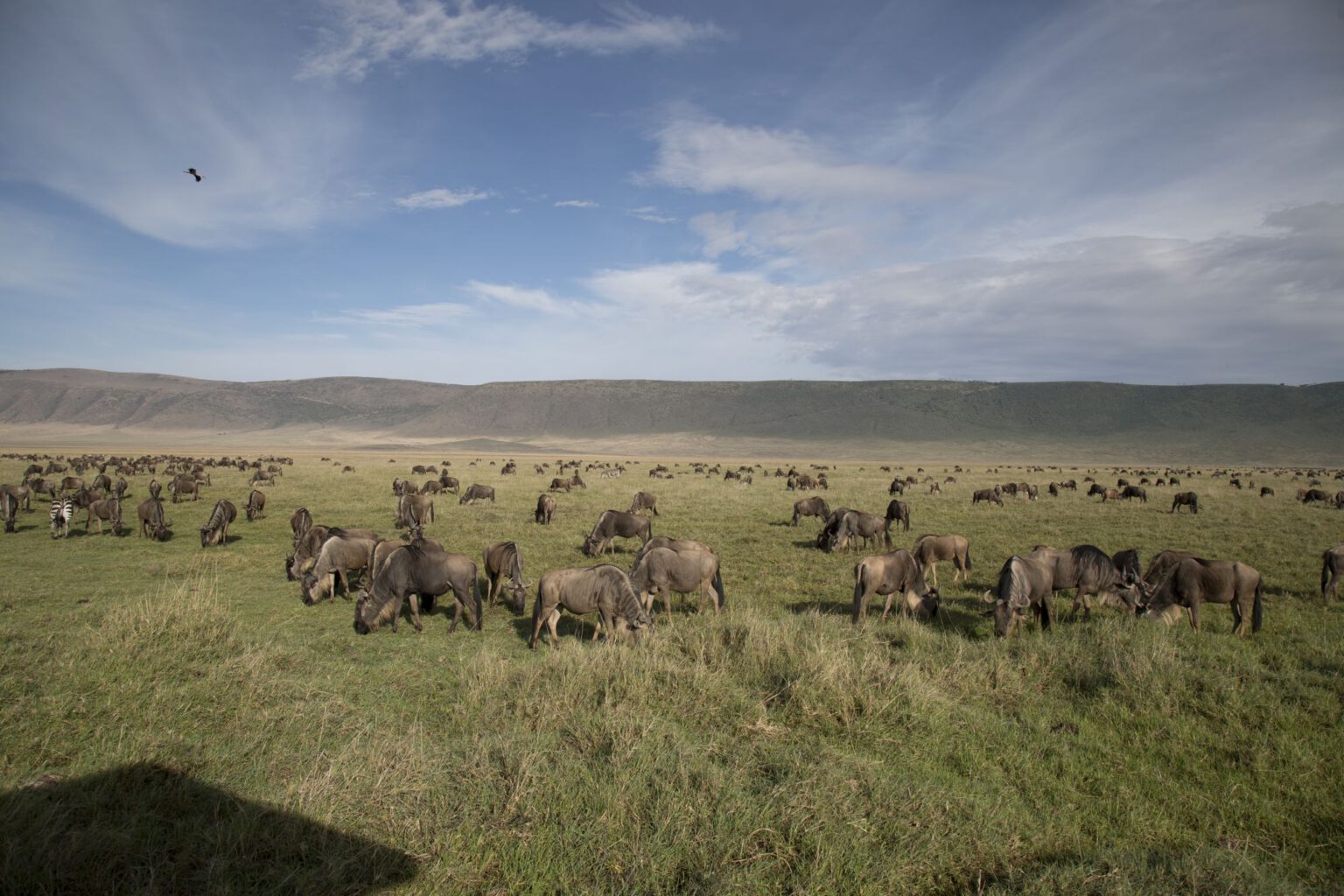
A game drive across the crater floor is the
highlight of any visit to Ngorongoro. The crater's grasslands, swamps,
woodlands and freshwater sources create an ideal habitat for numerous wildlife
species. During your game drive, you may encounter lions resting in the grass,
elephants moving through the woodland, buffaloes grazing on the plains, and
zebras wandering across the open landscape. You can also look out for spotted
hyenas, wildebeests, gazelles and warthogs. With its high concentration of
wildlife, Ngorongoro Crater offers excellent opportunities to observe animals
in their natural habitat. An experienced safari guide will help you locate
wildlife and explain animal behavior, making your adventure even more
rewarding.
Search for the
Big Five
Ngorongoro Crater is one of the best places in
Tanzania to search for the famous Big Five: lions, leopards, elephants,
buffaloes and rhinos. Lions are frequently spotted across the crater floor,
while large buffalo herds graze in the open grasslands. Elephants can be seen
around woodland areas and leopards occasionally appear in suitable habitats. The
crater is particularly important for spotting the endangered black rhino,
although sightings are never guaranteed. These rare animals are often observed
at a distance, so binoculars can be helpful. Searching for the Big Five adds
excitement to your safari and gives you an opportunity to appreciate the
incredible diversity of wildlife that makes Ngorongoro such a special
destination.
Visit Lake
Magadi and Observe Flamingos
Lake Magadi is a shallow, alkaline lake located on
the crater floor. It is an important attraction for birdwatchers and nature
lovers, offering opportunities to observe flamingos and other water birds. Depending
on water conditions and the season, flamingos may gather along the lake's
shores, creating beautiful scenes against the surrounding grasslands and crater
walls. You may also spot other bird species feeding around the water or flying
across the crater. Your safari guide can help you identify different birds and
explain their role in the local ecosystem. A visit to Lake Magadi adds variety
to your game drive, allowing you to enjoy both the crater's rich birdlife and
its spectacular scenery.
Enjoy the
Spectacular Views from the Crater Rim
The Ngorongoro Crater rim offers breathtaking views
of the vast caldera below. Standing at the elevated viewpoints, you can
appreciate the crater's enormous size, rolling grasslands, patches of woodland
and the wildlife scattered across the floor. The crater walls rise dramatically
above the landscape, creating an impressive natural setting for photography and
sightseeing. Early morning is particularly rewarding when mist and clouds
sometimes drift across the crater, creating a magical atmosphere. The cooler
highland climate also provides a refreshing contrast to the warmer conditions
often experienced on the crater floor. Take time to enjoy the scenery, capture
memorable photographs and appreciate the geological forces that shaped this
remarkable landscape.
Experience a
Picnic Lunch in the Crater
A picnic lunch is a wonderful way to enjoy your
safari while exploring Ngorongoro Crater. Many safari itineraries include a
designated picnic stop, allowing visitors to take a break from wildlife viewing
and enjoy a meal surrounded by nature. Depending on your itinerary and the
designated picnic arrangements, you may stop near a scenic area or the hippo
pool, where hippos can sometimes be observed resting in the water. The
experience gives you time to relax, appreciate the surroundings, and prepare
for the next part of your game drive. Visitors should follow their guide's
instructions, remain within designated areas, and avoid approaching wildlife.
These precautions help ensure a safe and enjoyable picnic experience.
Discover the
Birdlife of Ngorongoro Crater
Ngorongoro Crater is an excellent destination for
bird watching, with a variety of habitats attracting numerous resident and seasonal
bird species. During your safari, you may spot ostriches walking across the
grasslands, crowned cranes moving through wetland areas, and Kori bustards
searching for food in the open plains. Flamingos and other water birds may
gather around Lake Magadi, while raptors can sometimes be seen soaring above
the crater. The surrounding forests also support different bird species, making
the wider conservation area rewarding for bird enthusiasts.
Whether you are an experienced birder or simply
enjoy observing nature, Ngorongoro offers excellent opportunities to discover
Tanzania's birdlife. Carrying binoculars and a bird identification guide can
make your experience even more enjoyable.
Learn About
Maasai Culture and Traditions
The Ngorongoro Conservation Area is not only famous
for wildlife but also for its cultural heritage. The Maasai people have
longstanding connections to this landscape and their pastoral traditions form
an important part of the area's identity. A guided visit to an authorized
Maasai cultural village can introduce you to traditional homesteads, beadwork,
clothing, music, and aspects of everyday life. You may also learn about
livestock keeping and the community's relationship with the surrounding
environment. These encounters offer a valuable opportunity to understand the
human stories behind the destination and appreciate the importance of cultural
preservation. Choose respectful, community-led experiences, ask permission
before taking photographs and follow local guidance throughout your visit.
Explore Olduvai
Gorge
If you have additional time in your itinerary,
consider visiting Olduvai Gorge, one of the world's most important
archaeological and palaeoanthropological sites. Located within the wider
Ngorongoro Conservation Area, it is renowned for discoveries that have
contributed significantly to our understanding of early human evolution. At the
site, you can learn about important fossil discoveries, archaeological research
and the history of early human ancestors who lived in the region millions of
years ago. A visit to the museum or an organized interpretive tour can help you
understand how scientists study ancient remains to reconstruct the story of
human origins.
Olduvai Gorge is an excellent addition to a Tanzania
safari, particularly for travelers interested in history, archaeology, science
and the relationship between humans and the natural environment.
Enjoy
Photography and Wildlife Watching
Ngorongoro Crater offers outstanding opportunities
for wildlife photography because of its diverse animals, dramatic scenery and
changing light conditions. You can photograph lions resting on the grasslands,
elephants moving through the woodland, zebras grazing in herds and flamingos
gathering around the lake when conditions are favorable. The crater rim also
provides excellent opportunities for landscape photography, with sweeping views
of the caldera and its surrounding highlands.
Early morning and late afternoon light can create
beautiful photographic conditions, although the timing of your game drive will
depend on park regulations and your itinerary. Bring a camera with a suitable
zoom lens, binoculars and spare batteries. Always follow your guide's
instructions and maintain a respectful distance from wildlife to avoid
disturbing the animals.
Explore the
Wider Ngorongoro Conservation Area
If your safari allows additional time, explore other attractions within the wider Ngorongoro Conservation Area. Beyond the famous crater, the region features volcanic landscapes, highland forests, archaeological sites and scenic walking trails. Empakaai Crater is an excellent option for travelers interested in hiking and spectacular natural scenery. Guided walks can lead you towards the crater's rim and where permitted, down towards its lake.
Olmoti Crater offers another opportunity to explore the highlands on foot with an authorized guide. Its natural scenery and walking routes provide a different experience from the vehicle-based game drives inside Ngorongoro Crater. You can also consider visiting other approved attractions depending on your interests, available time and safari arrangements. These additional experiences are ideal for travelers who want to discover more of northern Tanzania beyond traditional wildlife viewing.
Best Time to
Visit Ngorongoro Crater
Ngorongoro Crater can be visited throughout the
year, offering rewarding wildlife experiences in different seasons.
June to October: The drier months generally provide favorable
wildlife-viewing conditions. Shorter grass in some areas can make animals
easier to spot, while the cooler mornings offer pleasant conditions for game
drives.
November to May: The wetter months bring greener
landscapes and seasonal changes that can make the crater particularly
beautiful. This period can also offer rewarding bird watching opportunities,
including sightings of seasonal visitors.
The weather in the highlands can be cool, especially
in the early morning and evening, so carrying warm clothing is advisable. The
best time for your safari ultimately depends on your travel preferences,
wildlife interests and plans to combine Ngorongoro with other destinations such
as Serengeti National Park.
Travel Tips for
Visiting Ngorongoro Crater
To make the most of your Tanzania safari, keep these
practical tips in mind:
Start early: An early departure allows you to enjoy
the crater during the morning hours and maximize your wildlife-viewing time.
Choose an experienced guide: A knowledgeable guide
can help you locate animals and explain the crater's wildlife, geology, and
ecology.
Dress in layers: Mornings around the crater rim can
be cold, so bring a warm jacket alongside comfortable safari clothing.
Carry binoculars and a camera: These are useful for
observing distant animals and capturing memorable moments.
Follow conservation rules: Stay on authorized
routes, respect wildlife-viewing distances, and follow your guide's
instructions.
Plan your accommodation: Staying near the crater rim
or elsewhere within the conservation area can make it easier to arrange an
early start, depending on your itinerary.
Allow enough time: A dedicated crater game drive is
a worthwhile inclusion in your itinerary, while an additional day allows you to
explore other attractions in the wider conservation area.
Ngorongoro Crater is a must-visit destination for
anyone planning a Tanzania safari. Its remarkable volcanic landscape, abundant
wildlife, scenic viewpoints and cultural heritage create an experience that
combines adventure, education and natural beauty. From searching for the Big
Five and observing flamingos at Lake Magadi to learning about Maasai traditions
and exploring the archaeological heritage of Olduvai Gorge, there is plenty to
discover during your visit. Whether you are planning a short wildlife adventure
or a longer northern Tanzania safari, Ngorongoro Crater deserves a place on
your itinerary. Combine it with Serengeti National Park or Lake Manyara
National Park for an even more diverse safari experience and unforgettable
memories of Tanzania's wilderness.