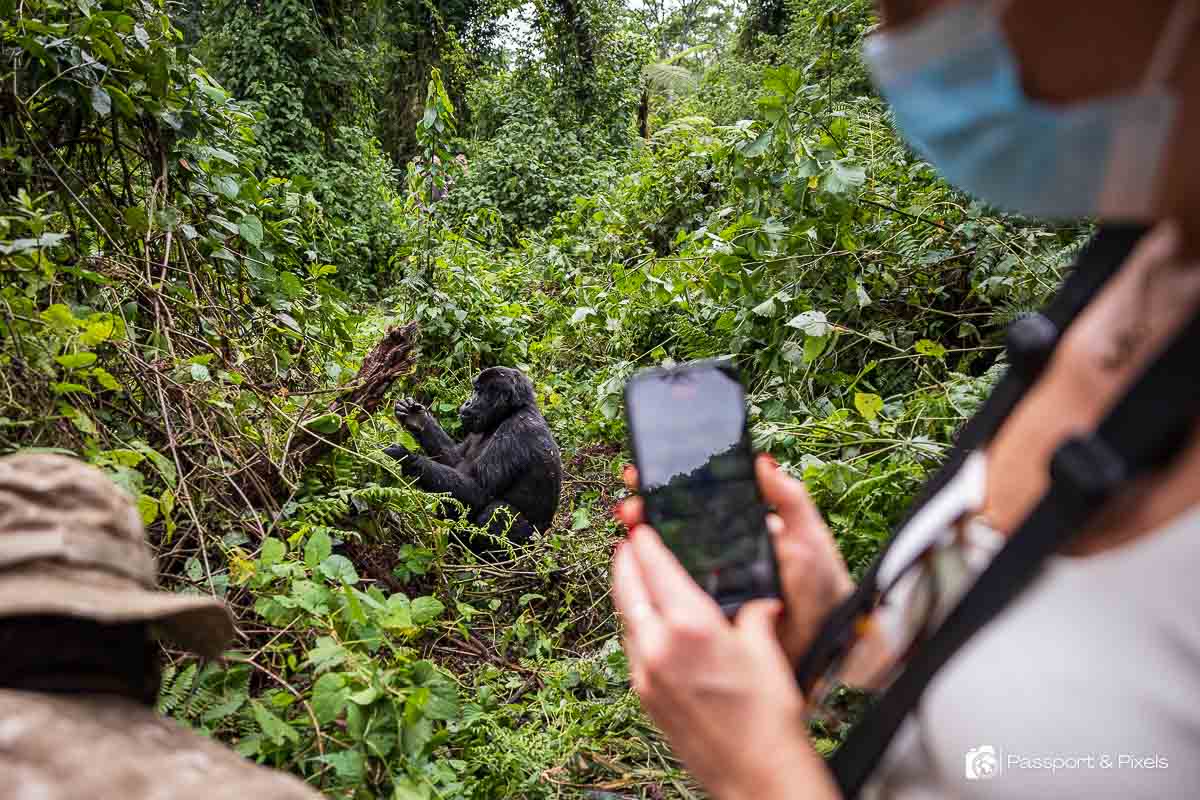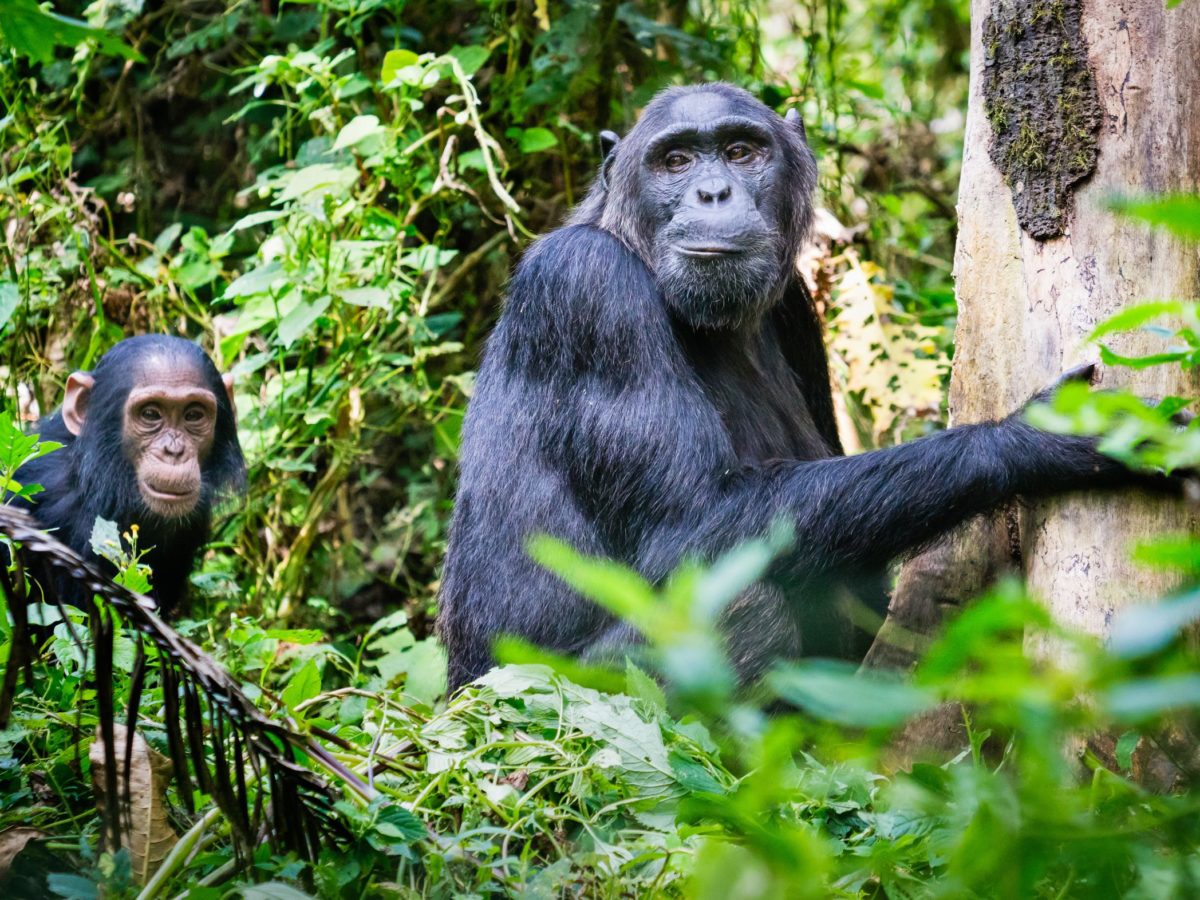

Chimpanzee
tracking is one of the most exciting wildlife experiences on a Rwanda safari.
Deep inside the beautiful forests of Nyungwe National Park live some of
Africa's most fascinating primates. Chimpanzees are known for their
intelligence, social behavior, human-like characteristics and remarkable
ability to adapt to their forest environment. A chimpanzee trekking experience
in Nyungwe offers visitors an opportunity to observe these primates in their
natural habitat while learning more about their behavior and way of life. Here
are five interesting facts to know before your chimpanzee tracking adventure.
1. Chimpanzees Are Among the Most Intelligent Primates
Chimpanzees are
highly intelligent animals with impressive problem-solving abilities. They can
use sticks to extract termites from their nests, stones to crack nuts and
leaves to collect drinking water. They also learn new skills by observing other
members of their group. During a Nyungwe Forest safari, visitors may witness
chimpanzees using different tools as they search for food or interact with
their surroundings. Their intelligence makes watching them in the wild a
fascinating experience.
2. Chimpanzees Live in Social Communities
Chimpanzees are
social animals that live in groups known as communities. These communities can
include males, females and young chimpanzees that interact through grooming,
playing, feeding and communicating. They maintain strong social relationships
and use different behaviors to strengthen their bonds. Grooming, for example,
helps remove dirt and parasites while maintaining friendships within the group.
While tracking chimpanzees in Nyungwe, you may encounter individuals feeding
together, grooming one another or moving through the forest as a group.
3. Chimpanzees Communicate Through Different Sounds
and Gestures
Chimpanzees have
a rich communication system that helps them interact with one another. They use
loud hoots, screams, grunts, facial expressions and body movements to express
emotions, warn others about danger and maintain contact with members of their
community. One interesting thing about chimpanzee tracking in Nyungwe is that
you may hear them before seeing them. Their loud calls can travel through the
forest, helping visitors and guides identify their presence. Listening to these
sounds adds excitement to the trekking experience.
4. Chimpanzees Build Nests in Trees Every Night
Unlike humans,
chimpanzees do not sleep in permanent homes. Instead, they build fresh sleeping
nests using leaves and branches in suitable trees. They carefully arrange the
materials to create comfortable places where they can rest safely above the
forest floor. Each evening, they select different trees and construct new
nests. This behavior is fascinating because it shows how chimpanzees use natural
materials and their surroundings to meet their daily needs. During a forest
walk, visitors may also come across old chimpanzee nests.
5. Chimpanzees Have a Varied Diet
Chimpanzees eat
different types of food depending on what is available in their forest
environment. Their diet mainly consists of wild fruits, leaves, seeds, flowers
and shoots. They also eat insects such as termites and occasionally hunt small
animals for meat. In Nyungwe Forest, fruit is an important part of their diet
and chimpanzees spend much of their day moving through the forest in search of
food. Watching them feed, climb trees and search for fruits gives visitors a
better understanding of their daily activities and survival habits.
Why See Chimpanzees on a Nyungwe Forest Safari?
Chimpanzee
tracking in Nyungwe National Park is an unforgettable experience for wildlife
enthusiasts and nature lovers. It offers an opportunity to observe these
intelligent primates in their natural environment while learning about their
social relationships, feeding habits and daily activities.
Beyond
chimpanzees, visitors can encounter other primates, beautiful forest vegetation
and numerous bird species. Whether you are interested in wildlife photography,
primate behavior or exploring Rwanda's natural attractions, adding chimpanzee
tracking to your Nyungwe safari is a rewarding experience. For the best
experience, book your chimpanzee tracking permit in advance and prepare for an
early morning forest adventure.
Where Can You See Chimpanzees on a Nyungwe Forest
Safari?
Chimpanzees can
be seen in different sections of Nyungwe National Park, particularly in the
main Nyungwe Forest and Cyamudongo Forest. The park also identifies chimpanzee
communities in Mayebe and Gisovu. The main forest community is tracked from the
Uwinka area, while Cyamudongo Forest offers another opportunity to encounter
chimpanzees in a smaller, isolated forest. The tracking location is arranged by
park authorities depending on the chimpanzee communities and the available
tracking arrangements.
When Is the Best Time for a Nyungwe Forest Safari?
Nyungwe National
Park can be visited throughout the year, but the dry seasons are generally more
comfortable for forest walks and chimpanzee tracking. These occur from June to
September and December to February. During these months, there is generally
less rainfall, making forest trails easier to navigate.
The rainy
seasons, from March to May and October to November, bring heavier rainfall and
slippery trails. However, the forest receives plenty of fresh vegetation and
fruit, which can influence chimpanzee feeding and movement. Therefore, the best
time depends on whether you prefer easier hiking conditions or the experience
of exploring the forest during the rainy season.
How to Get to Nyungwe National Park?
Nyungwe National
Park is located in southwestern Rwanda and can be reached by road or air. From
Kigali, visitors can travel by road for approximately five to six hours,
covering about 225 kilometers. The journey offers beautiful views of Rwanda's
rolling hills, rural communities, tea plantations and countryside landscapes.
Alternatively,
visitors can take a domestic flight from Kigali to Kamembe Airport near Rusizi
and continue by road to the park. Hiring a private safari vehicle or arranging
transport through a tour operator is a convenient way to reach Nyungwe,
especially for visitors planning early morning chimpanzee tracking.
How Many Chimpanzees Can I See on a Nyungwe Forest
Safari?
Nyungwe National
Park is home to more than 500 chimpanzees, making it an important destination
for chimpanzee conservation in Rwanda. However, the number you encounter during
tracking depends on the location of the community, its movements and the forest
conditions. Some of the habituated communities are relatively large. For
example, the community in the main Nyungwe Forest has approximately 60
individuals, while the Cyamudongo community has around 30. Visitors may
encounter several chimpanzees together or see smaller groups moving through the
forest. Although sightings are possible, seeing all members of a community is
not guaranteed because chimpanzees move freely through their natural habitat.
A chimpanzee
tracking experience in Nyungwe National Park is a rewarding addition to any
Rwanda safari. From observing their intelligence and social behavior to
watching them feed, communicate and move through the forest, every encounter
offers something fascinating. With its rich biodiversity, beautiful forest
landscapes and remarkable chimpanzee population, Nyungwe provides an
unforgettable opportunity to experience Rwanda's wildlife. Whether you are a
wildlife enthusiast, nature lover or adventure traveler, make chimpanzee
tracking part of your Rwanda safari for a memorable experience
Ready
to plan your next African safari adventure? Contact Zoophilist
Adventures and Safaris for tailor-made
gorilla trekking, wildlife safaris, chimpanzee tracking, and cultural tours
across Uganda, Rwanda, Kenya, and Tanzania.
📧
Email: info@primatetrekkingsafaris.com
mailto:zoophilistadventures@gmail.com
📞
Phone/WhatsApp: +256 760779592
Visit our official website for more information https://primatetrekkingsafaris.com/. Zoophilist Adventures and Safaris specializes in
personalized safari experiences, offering expert guidance and carefully crafted
itineraries for unforgettable African wildlife encounters