
Uganda is known for its beautiful landscapes,
diverse wildlife, mountain gorillas, chimpanzees, and scenic lakes. However,
the heart of the country lies beyond its natural attractions. Its people,
traditions, stories, languages, music, food, ceremonies, shape Uganda’s
identity and ways of life passed from one generation to another. With more than
50 indigenous communities, each with its own customs and heritage, traveling
through Uganda offers opportunities to experience a remarkable variety of
cultures. From the lively streets of Kampala to rural villages, historic
kingdoms and communities surrounding national parks, Uganda's culture adds
depth to every journey.
A Country of
Many Cultures
Uganda's cultural diversity comes from the many
communities that have lived across its regions for generations. The Baganda,
Banyankole, Bakiga, Batoro, Basoga, Bagisu, Acholi, Iteso, Lango, Karimojong,
Batwa, and many other communities have distinctive traditions and identities. Each
community has its own language, traditional foods, dances, clothing, music,
ceremonies, and social practices. This diversity means that traveling across
Uganda often introduces visitors to a new cultural experience at every
destination. Rather than having one single cultural identity, Uganda brings
together many identities that contribute to the country's character.
The Power of
Traditional Stories
Storytelling has long played an important role in
Ugandan communities. Before written records became widespread, elders passed
knowledge, history, moral lessons, and community values to younger generations
through stories. Folktales often feature people, animals, spirits, kings,
hunters and ordinary villagers. Some explain the origins of communities, while
others teach lessons about courage, honesty, respect, responsibility and
relationships. For travelers, listening to local stories provides a different
way of understanding Uganda. A destination becomes more meaningful when its
landscapes and communities are connected to the stories that have been told
there for generations.
Traditional
Music and Dance
Music and dance remain important expressions of
Ugandan culture. Drums, flutes, string instruments, songs, and rhythmic
movements accompany celebrations, ceremonies, festivals, and community
gatherings. Different communities have their own styles of dance. The Baganda,
for example, have traditional performances associated with Buganda culture,
while the Bagisu are known for energetic cultural dances and musical
traditions. In northern Uganda, Acholi cultural performances feature
distinctive movements, songs, and drumming. In northeastern Uganda, the
cultural traditions of the Karamoja region offer another fascinating expression
of community identity. For visitors, cultural performances provide an opportunity
to watch, listen and sometimes join in the dancing.
The Cultural
Heritage of Uganda's Kingdoms
Traditional kingdoms form an important part of Uganda's history and cultural heritage. The Buganda, Tooro, Bunyoro-Kitara, and Busoga kingdoms, among others, have played significant roles in shaping regional identities. The Buganda Kingdom has a particularly strong cultural presence around central Uganda. Sites such as the Kasubi Tombs offer insight into the history, traditions and royal heritage of the Baganda people.
The Tooro Kingdom in western Uganda provides another
window into Uganda's traditional institutions, with royal heritage, ceremonies
and cultural practices continuing to attract interest from visitors. Exploring
these traditions helps travelers understand that Uganda's history extends far
beyond its wildlife and colonial-era landmarks.
Food That Tells
a Story
Ugandan cuisine reflects the country's environment,
agriculture and cultural diversity. Traditional meals often rely on locally
grown ingredients such as bananas, cassava, sweet potatoes, millet, beans,
groundnuts, vegetables, meat, and fish.
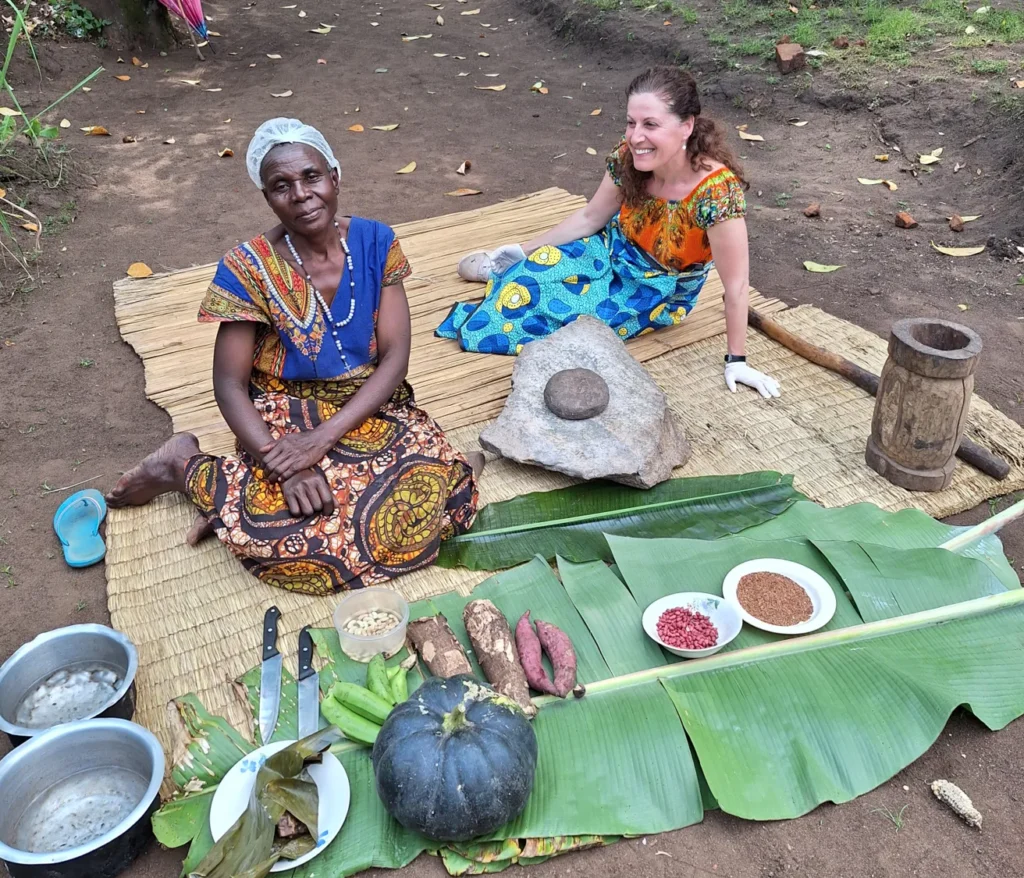
Matooke remains one of the country's most
recognizable traditional foods, particularly in central and western Uganda. In
many communities, food preparation and sharing are important social activities,
bringing families and visitors together.
Travelers who participate in a traditional cooking
experience gain more than a taste of local cuisine. They learn about the
ingredients, preparation methods, farming practices, and customs surrounding
food.
The Art of
Traditional Craftsmanship
Ugandan communities have developed a wide range of
traditional crafts using locally available materials. Basket weaving, pottery, woodcarving,
beadwork, bark cloth production, and textile making remain important forms of
cultural expression.
Handmade baskets often feature patterns associated with particular communities, while pottery demonstrates techniques passed between generations. Bark cloth, traditionally produced from the bark of the mutuba tree, holds particular cultural importance in Buganda. Visiting local artisans gives travelers the chance to see these skills firsthand and understand the patience and knowledge behind each handmade item.
The People behind
Uganda's Culture
Culture comes alive through people. Elders preserve
stories and traditional knowledge, artisans maintain traditional crafts,
musicians keep old songs alive, farmers continue generations of agricultural
practices, and young people find new ways to express their heritage.
Meeting local people during a cultural experience
allows travelers to move beyond simply observing Uganda. Conversations with
guides, community members, artisans, farmers, performers and families often
provide some of the most memorable insights into daily life. These personal
interactions also reveal how traditions continue to evolve while remaining
connected to the past.
The Batwa and
Their Forest Heritage
The Batwa communities of southwestern Uganda have a
deep historical connection with the forests around Bwindi and Mgahinga. Their
cultural heritage includes traditional knowledge of the forest, medicinal
plants, hunting practices, songs, dances and oral traditions.
Cultural experiences involving Batwa communities
provide visitors with an opportunity to learn about this heritage directly from
community members. They also offer historical context for travelers exploring
the forests of southwestern Uganda.
Approaching these experiences with respect is
important. Visitors should follow local guidance, seek permission before taking
photographs and recognize that cultural traditions are part of people's living
heritage.
Culture around
Uganda's National Parks
Uganda's cultural experiences often complement its
wildlife destinations. Communities living around national parks have developed
traditions and livelihoods closely connected to their surrounding environments.
Around Bwindi and Mgahinga, visitors encounter
communities with strong connections to the forest and mountain landscapes. Near
Queen Elizabeth National Park, cultural experiences offer insight into the
lives of communities surrounding the park. In northern Uganda, visits to
communities around Murchison Falls and Kidepo Valley introduce travelers to
different traditions and ways of life. Combining cultural visits with wildlife
activities creates a broader understanding of the country and the relationship
between people, wildlife and natural resources.
Festivals and
Community Celebrations
Festivals and cultural celebrations bring together
music, dance, food, and traditional clothing, storytelling, and community
gatherings. These events offer visitors an opportunity to experience culture in
a lively setting. Some celebrations have religious or historical significance,
while others highlight traditional heritage, music, food, or local
achievements. Travelers who plan their trips around cultural events may
experience a side of Uganda that is rarely visible during a standard safari.
Why Uganda's
Culture Matters to Travelers
Uganda's cultural heritage gives meaning to the
places travelers visit. A mountain is more than a landscape when you know the
stories connected to it. A traditional meal becomes more interesting when you
understand how it is prepared and shared. A dance becomes more meaningful when
you learn what it represents. Cultural tourism also creates opportunities for
communities to benefit from tourism through guiding, crafts, performances, accommodation,
food experiences and other local services.
Experience the
Uganda beyond the Wildlife
Uganda's wildlife may attract travelers from around
the world, but its people and culture give the journey another dimension. The
country's stories, traditions, music, food, crafts, kingdoms, and community
life reveal a destination with a rich cultural identity. For travelers willing
to look beyond the safari vehicle, Uganda offers opportunities to meet people,
listen to stories, taste local food, experience traditional performances and
discover heritage that continues to live from one generation to the next. The
real Uganda is found not only in its forests, savannahs, lakes and mountains,
but also in the people and traditions that bring these places to life.