
A Uganda safari tour offers rewarding wildlife
experiences throughout the year, but each month presents unique advantages
depending on weather, wildlife movements, trekking conditions, and travel
budgets. From the dry months of January, February, June, July, August, and
December, visitors enjoy easier gorilla trekking, better road accessibility,
and excellent game viewing in Uganda’s national parks. The wetter months of
March, April, May, October, and November bring lush green landscapes, fewer
crowds, exceptional birdwatching opportunities, and attractive safari
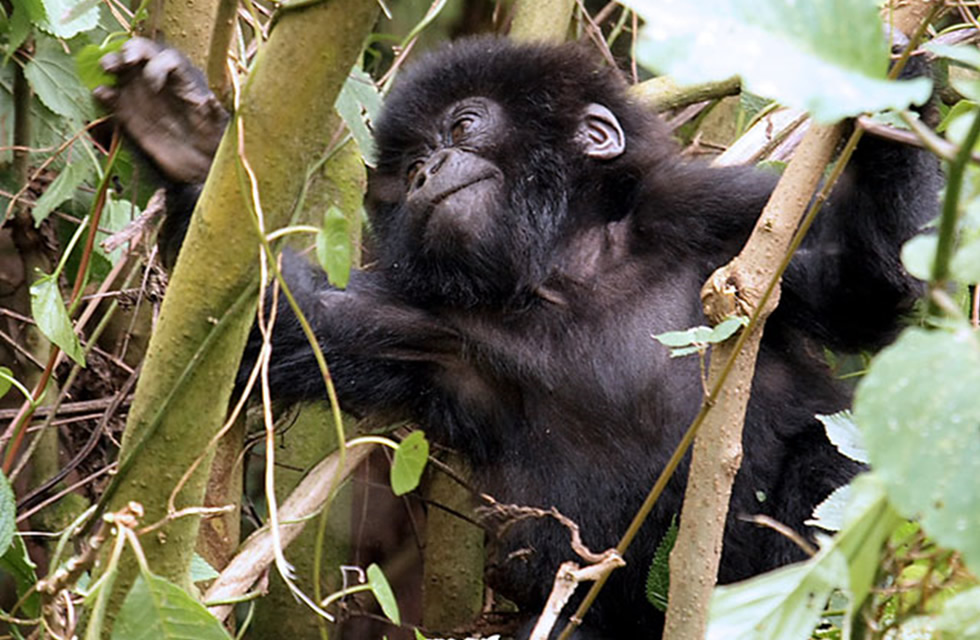
discounts. Whether your interest is gorilla trekking in Bwindi Impenetrable
National Park, chimpanzee tracking in Kibale Forest, wildlife viewing in Queen
Elizabeth and Murchison Falls National Parks, or birdwatching across Uganda’s
diverse habitats, understanding seasonal changes helps travelers choose the
best time to visit. This month-by-month guide highlights what to expect
throughout the year, helping you plan a Uganda safari tour that matches your
interests, budget, and travel goals.
January
January is one of the best months for a Uganda
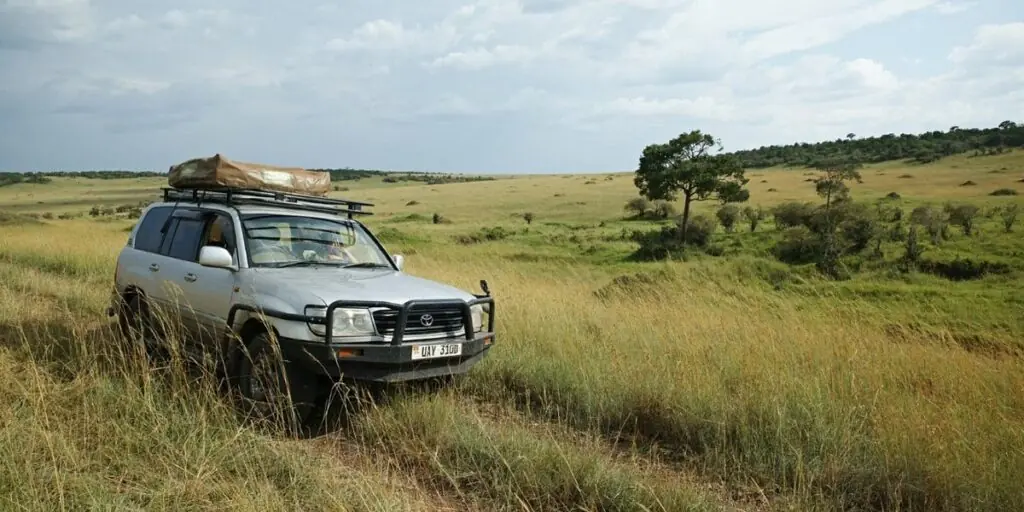
safari tour because it falls within the dry season. Roads in national parks are
generally in good condition, making travel between destinations easier and more
comfortable. Wildlife viewing in parks such as Queen Elizabeth National Park,
Murchison Falls National Park, and Kidepo Valley National Park is rewarding
since animals gather around remaining water sources. Gorilla trekking in Bwindi
Impenetrable National Park and chimpanzee tracking in Kibale Forest are also
excellent due to drier forest trails. Birdwatchers can enjoy sightings of
resident and migratory species across wetlands and savannah habitats. January
is also a popular travel month, so accommodations and gorilla permits should be
booked well in advance. A Uganda safari tour during January offers favorable
weather, clear photography conditions, and a wide range of activities across
the country.
February
February continues the dry conditions that make a
Uganda safari tour highly rewarding. Vegetation remains less dense in many
parks, increasing animal visibility during game drives. Visitors to Murchison
Falls National Park can expect opportunities to see elephants, giraffes,
buffaloes, and lions near water sources. Gorilla trekking remains pleasant
because the trails are relatively dry and easier to navigate compared to wetter
months. The clear skies and warm temperatures create excellent conditions for
photography and outdoor activities. Boat cruises along the Nile River and the
Kazinga Channel provide impressive wildlife viewing opportunities. February
also attracts many international travelers seeking ideal safari conditions,
making it important to secure accommodations and permits early. A Uganda safari
tour in February combines comfortable weather with diverse wildlife experiences
across multiple destinations.
March
March marks the beginning of the first rainy season
in many parts of Uganda. Although rainfall gradually increases, a Uganda safari
tour remains worthwhile because landscapes become greener and more vibrant. The
fresh vegetation creates beautiful scenery for photography throughout national
parks. Wildlife viewing remains productive, especially during morning and
afternoon game drives when animals are active. Gorilla trekking can become
slightly more challenging because some forest trails may be muddy, but the experience
remains exceptional. Accommodation rates in certain lodges may become more
affordable during this period, offering excellent value for travelers.
Birdwatching improves significantly as many species become active during the
rainy season. A Uganda safari tour in March appeals to travelers seeking fewer
crowds, lush landscapes, and competitive safari prices throughout the country.
April
April is generally the wettest month of the year in
many regions of Uganda. While some roads in remote areas may become difficult
to access, a Uganda safari tour still offers unique advantages. National parks
transform into green landscapes filled with rich vegetation and dramatic
scenery. Gorilla trekking is available throughout the month, though visitors
should prepare for muddy conditions and occasional rainfall. Photographers
often appreciate the deep green forests and colorful skies created by the rainy
weather. Birdwatchers enjoy excellent opportunities as many species are
actively breeding and displaying vibrant plumage. Since visitor numbers are
lower, travelers can enjoy a more private safari experience and benefit from
seasonal discounts at selected lodges. A Uganda safari tour during April suits
visitors seeking value and beautiful natural scenery.
May
May remains part of the rainy season, although
rainfall gradually starts decreasing toward the end of the month. A Uganda
safari tour in May provides opportunities to experience the country with fewer
tourists. The vegetation remains lush, creating excellent conditions for
landscape photography and nature viewing. Wildlife can still be observed across
major parks, although animals may be more dispersed because water is widely
available. Gorilla trekking is possible throughout the month, and many
travelers appreciate the quiet atmosphere on trekking trails. Accommodation
prices can remain lower than during peak travel periods, making safari packages
more affordable. Birdwatching continues to be rewarding, especially in wetlands
and forest habitats. A Uganda safari tour in May offers budget-conscious
travelers the chance to enjoy remarkable experiences in a peaceful environment.
June
June marks the beginning of the long dry season and
is widely regarded as an excellent month for a Uganda safari tour. Trails for
gorilla trekking and chimpanzee tracking become easier to navigate as rainfall
decreases. Wildlife viewing improves as animals gradually congregate around
permanent water sources. National parks such as Queen Elizabeth and Murchison
Falls offer rewarding game-drive experiences with opportunities to spot
predators and large herbivores. The pleasant weather allows travelers to enjoy
outdoor activities without frequent interruptions from rain. June is also a
busy travel month, particularly among wildlife enthusiasts and photographers.
Advance booking of permits and accommodations is highly recommended. A Uganda
safari tour in June provides a combination of ideal weather, strong wildlife
viewing opportunities, and comfortable travel conditions throughout the
country.
July
July is one of the peak safari months in Uganda and
attracts visitors from around the world. A Uganda safari tour during July
benefits from dry weather, excellent road conditions, and consistent wildlife
sightings. The reduced vegetation allows animals to be spotted more easily
during game drives. Gorilla trekking experiences are particularly enjoyable
because forest trails are relatively dry and accessible. Chimpanzee tracking in
Kibale Forest also becomes more comfortable. Boat excursions on the Nile River
and Kazinga Channel offer opportunities to view hippos, crocodiles, buffaloes,
and numerous bird species. Because demand is high, permits for gorilla trekking
can sell out months in advance. A Uganda safari tour in July is ideal for
travelers seeking reliable wildlife encounters, beautiful weather, and
memorable outdoor adventures.
August
August continues the favorable dry-season conditions
that make a Uganda safari tour highly popular. Wildlife viewing remains
excellent across Uganda’s savannah parks as animals frequently gather near
rivers and waterholes. The dry weather supports a wide range of activities
including game drives, nature walks, gorilla trekking, and community visits.
The clear skies provide excellent lighting for photography throughout the day.
Birdwatchers can still enjoy impressive species diversity despite being outside
the peak birding season. Roads leading to major parks are generally accessible,
ensuring smooth travel between destinations. August is considered a high-demand
month, so accommodations and gorilla permits should be reserved well in
advance. A Uganda safari tour in August delivers outstanding wildlife experiences,
comfortable travel conditions, and opportunities to explore different regions
of the country.
September
September serves as a transition period between the
dry and rainy seasons in many parts of Uganda. A Uganda safari tour during this
month still offers strong wildlife viewing opportunities while visitor numbers
begin to decline slightly. Vegetation remains relatively open, helping
travelers spot wildlife across national parks. Gorilla trekking conditions are
generally favorable, although occasional rains may occur toward the end of the
month. Birdwatching becomes increasingly rewarding as migratory species begin
arriving in various habitats. The landscapes start showing fresh growth from
intermittent rainfall, creating attractive scenery for photography.
Accommodation availability may improve compared to peak months, providing
greater flexibility for travel planning. A Uganda safari tour in September
combines enjoyable weather, strong wildlife sightings, and a balance between
peak-season and low-season conditions.
October
October is part of Uganda’s second rainy season,
bringing greener scenery and refreshing landscapes. A Uganda safari tour during
October appeals to travelers interested in photography, birdwatching, and
quieter wildlife experiences. Rainfall patterns vary across regions, and many
activities remain accessible despite occasional showers. Gorilla trekking
continues throughout the month, although trekkers should prepare for muddy
trails. National parks become less crowded, allowing visitors to enjoy a more
relaxed safari atmosphere. Birdlife is particularly impressive as migratory
birds arrive in large numbers. The fresh vegetation enhances the beauty of
forests, wetlands, and savannah ecosystems. Some lodges may offer seasonal
discounts, creating attractive opportunities for budget-conscious travelers. A
Uganda safari tour in October provides unique advantages for visitors seeking
value and lush natural environments.
November
November continues the wet season across much of
Uganda, creating rich green landscapes and healthy ecosystems. A Uganda safari
tour in November offers exceptional birdwatching opportunities as migratory
species remain present throughout the country. Wildlife viewing is still
possible, although animals may spread across wider areas due to abundant water
and fresh grazing grounds. Gorilla trekking remains available every day, and
visitors often appreciate the reduced number of travelers in the forests. The
vibrant scenery is particularly attractive for nature photographers seeking
dramatic images of Uganda’s landscapes. Accommodation rates can be lower
compared to peak travel periods, helping visitors maximize their safari
budgets. A Uganda safari tour in November suits travelers who value
tranquility, natural beauty, and excellent birding opportunities over peak
wildlife-viewing conditions.
December
December marks the beginning of another dry season
and is a favorite time for a Uganda safari tour. The weather becomes more
predictable, and travel conditions improve throughout most safari destinations.
Wildlife viewing becomes increasingly rewarding as animals gather around water
sources and vegetation begins to thin. Gorilla trekking and chimpanzee tracking
experiences benefit from drier forest conditions and comfortable temperatures.
Many travelers choose December for holiday vacations, making it a busy period
across Uganda’s tourism sector. Early booking of gorilla permits and
accommodations is essential to secure preferred options. Festive celebrations
add a unique atmosphere to safari lodges and camps. A Uganda safari tour in
December offers an excellent combination of wildlife encounters, pleasant
weather, and memorable holiday travel experiences.
How to choose
the best time for Uganda safari tour
Choosing the best time for a Uganda safari tour
depends on the experiences you want most. If your priority is gorilla trekking,
chimpanzee tracking, wildlife viewing, and comfortable travel conditions, the
dry seasons from December to February and June to August are generally the most
favorable. During these months, forest trails are less muddy, roads are easier
to navigate, and animals tend to gather around water sources, making them
easier to spot during game drives. These months are also ideal for visiting
popular destinations such as Bwindi Impenetrable National Park, Kibale Forest
National Park, Queen Elizabeth National Park, and Murchison Falls National
Park.
Travelers who prefer fewer crowds, greener
landscapes, and lower safari costs may find the rainy seasons from March to May
and October to November more appealing. Although occasional rainfall can affect
road conditions and trekking trails, the countryside becomes lush and
beautiful, creating excellent photography opportunities. These months are also
particularly rewarding for birdwatchers because migratory birds are present in
many parts of the country. When selecting the best time for a Uganda safari
tour, consider your interests, budget, desired activities, and tolerance for
seasonal weather variations to ensure a safari experience that matches your
expectations.