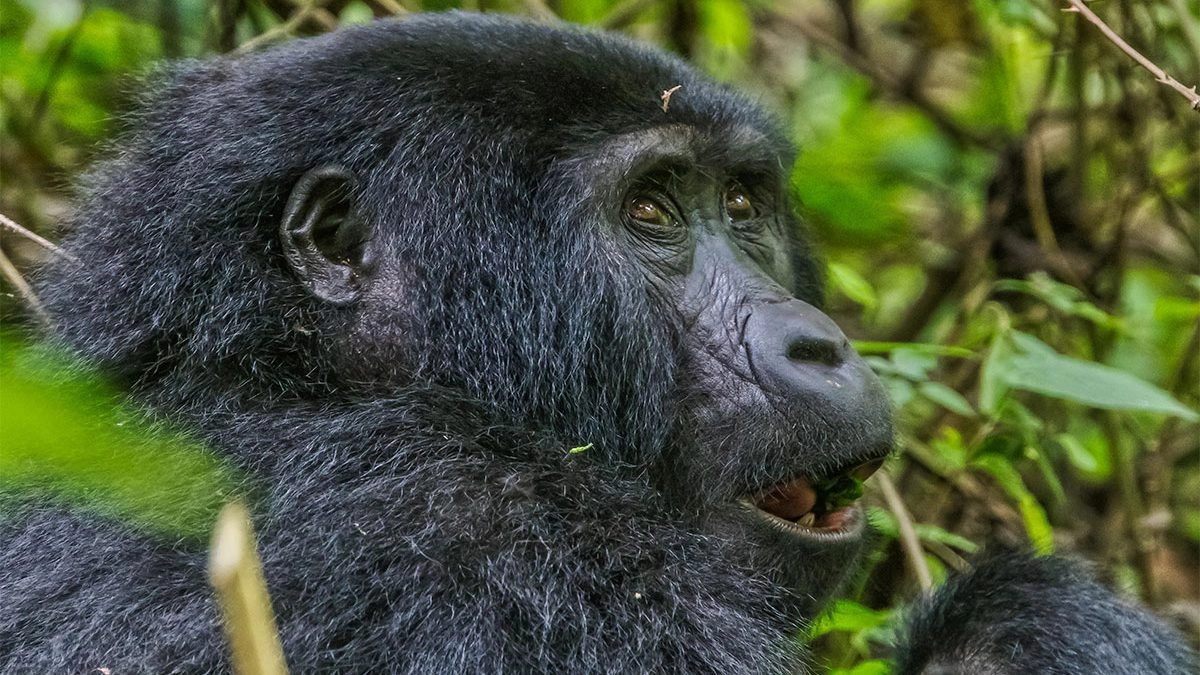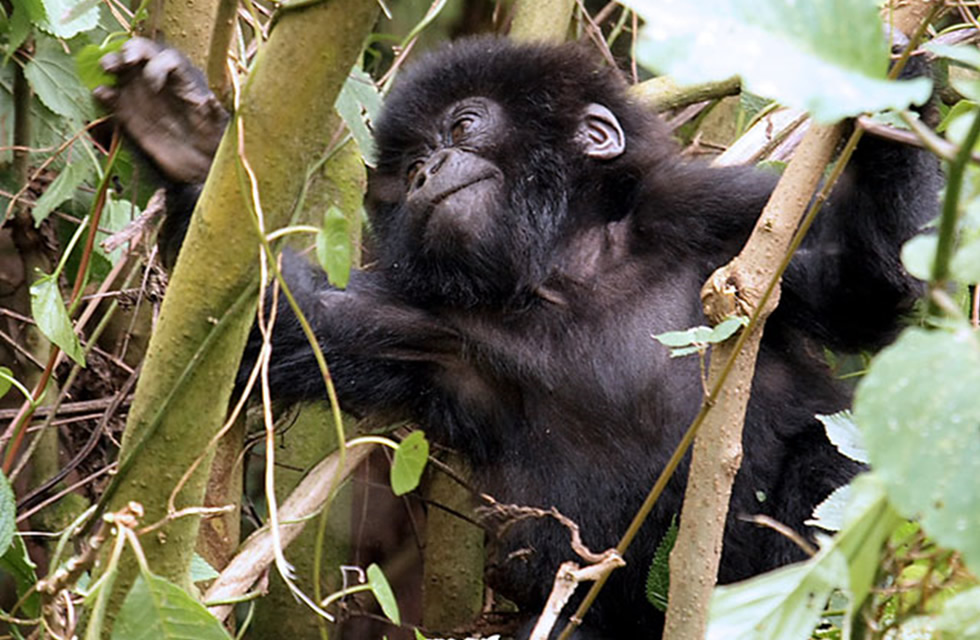

Gorilla behaviours in Rwanda offer a fascinating
insight into the social lives, intelligence, and daily routines of mountain
gorillas living in Volcanoes National Park. These endangered primates live in
closely bonded family groups led by dominant silverbacks who guide and protect
members of the troop. Their behaviours include feeding, grooming, communication
through vocalizations and body language, nest building, infant care, and
playful interactions among younger gorillas. Observing these natural behaviours
during gorilla trekking helps visitors understand the similarities between
gorillas and humans, particularly in their emotions, family relationships, and
social structures. Mountain gorillas display remarkable intelligence,
cooperation, and adaptability within their forest habitat. Learning about gorilla
behaviours in Rwanda not only enriches the trekking experience but also
highlights the importance of conservation efforts that protect these
extraordinary primates.
1. Gorillas Live
in Strong Family Groups
One of the most fascinating gorilla behaviours in
Rwanda is their strong family structure. Mountain gorillas live in stable social
groups known as troops or families. These groups are typically led by a
dominant silverback, accompanied by several females, juveniles, and infants.
Family members spend most of their time together feeding, resting, and moving
through the forest. Strong bonds within the group help provide protection and
social stability. Researchers and visitors often observe close interactions
between mothers and infants as well as cooperative behavior among group
members. This social lifestyle contributes significantly to the survival of
mountain gorillas. During gorilla trekking in Volcanoes National Park, visitors
can witness how family members stay connected and communicate throughout their
daily activities in the forest.
2. Silverbacks
Lead and Protect the Group
The silverback plays a critical role in the behavior
of gorillas in Rwanda. An adult male develops a patch of silver hair across his
back as he matures, earning the title of silverback. This dominant gorilla
serves as the leader, protector, and decision-maker for the entire family. The
silverback determines where the group feeds, rests, and travels each day. He
also protects family members from threats and settles conflicts that may arise
within the group. During encounters with potential danger, the silverback
places himself between the threat and the family. His presence provides
security and stability. Visitors trekking gorillas in Rwanda often notice how
other members pay close attention to the movements and actions of the
silverback throughout the day.
3. Grooming
Strengthens Social Bonds
Grooming is another common gorilla behaviour in
Rwanda. While gorillas do not groom each other as frequently as some other
primates, grooming remains an important social activity. Family members use
their hands to remove dirt, insects, or plant material from one another’s fur.
This behavior helps maintain cleanliness while strengthening social bonds
within the family group. Mothers often groom their infants, and close
companions may groom each other during resting periods. Grooming promotes trust
and reinforces relationships between family members. During gorilla trekking
experiences, visitors occasionally observe gentle grooming sessions as gorillas
relax together in the forest. These interactions reveal the strong social
connections that exist among mountain gorillas and highlight their highly
cooperative nature.
4. Gorillas
Communicate Through Sounds and Body Language
Communication is an essential part of gorilla
behaviour in Rwanda. Mountain gorillas use a variety of vocalizations, facial
expressions, and body movements to communicate with one another. They produce
grunts, hoots, barks, and low rumbling sounds that help maintain contact among
family members. A content gorilla may emit a soft rumble while feeding, while
warning calls can signal potential concerns. Body language also plays a crucial
role in communication. Movements such as chest beating, standing upright, and
specific facial expressions help convey different messages. These communication
methods allow gorilla families to coordinate activities and maintain harmony
within the group. Observing these behaviors provides visitors with valuable
insight into the intelligence and social complexity of gorillas in Rwanda.
5. Feeding
Occupies Much of Their Day
A large portion of gorilla behaviour in Rwanda
revolves around feeding. Mountain gorillas are primarily herbivores and consume
a wide variety of vegetation found within Volcanoes National Park. Their diet
includes leaves, stems, shoots, roots, bamboo, and seasonal fruits. Adult
gorillas can spend many hours each day searching for and consuming food to meet
their nutritional needs. Family groups move through the forest while feeding,
often stopping in areas with abundant vegetation. Infants learn what to eat by
observing their mothers and other adults. Feeding activities are generally
peaceful and provide excellent opportunities for visitors to observe gorillas
at close range during trekking excursions. The abundance of vegetation within
Rwanda’s forests supports healthy gorilla populations year-round.
6.
Mothers Provide Constant Care to Their Infants
Maternal care is among the most touching gorilla
behaviours in Rwanda. Female gorillas form exceptionally strong bonds with
their infants from birth. Mothers carry young gorillas, nurse them, protect
them from danger, and teach them important survival skills. During the first
months of life, infants remain almost constantly in contact with their mothers.
As they grow older, they gradually gain confidence and begin exploring their
surroundings while still staying close for protection. Mothers remain attentive
to their offspring and respond quickly to signs of distress. This close
relationship supports healthy development and helps young gorillas learn social
behaviors. Visitors on gorilla treks frequently witness these nurturing
interactions, which often become some of the most memorable moments of the
entire experience.
7. Young
Gorillas Are Highly Playful
Play is an important component of gorilla behaviour
in Rwanda, especially among juveniles and young gorillas. Young gorillas spend
a significant amount of time wrestling, chasing each other, climbing
vegetation, rolling on the ground, and engaging in playful interactions. These
activities help develop physical strength, coordination, and social skills.
Play also allows young gorillas to learn group dynamics and establish
relationships with other family members. The behavior often resembles the
playful actions of human children, making these interactions particularly
enjoyable for visitors to observe. Even adult gorillas occasionally participate
in gentle play activities with younger group members. Watching playful gorillas
during a trekking excursion provides a deeper understanding of their
intelligence and emotional complexity within family groups.
8. Nest Building
Happens Every Evening
One of the lesser-known gorilla behaviours in Rwanda
is their daily nest-building routine. Each evening, gorillas construct fresh
nests where they spend the night resting. These nests are usually made from
branches, leaves, and other vegetation found nearby. Adult gorillas typically
build their own nests, while infants share nests with their mothers. Depending
on the location and habitat conditions, nests may be constructed on the ground
or in low vegetation. Building a new nest each evening helps maintain comfort
and hygiene. The process usually begins in the late afternoon before darkness approaches.
Rangers and researchers often use nest sites to monitor gorilla movements and
study population patterns. Nest building remains an essential part of daily
life for mountain gorillas.
9. Chest Beating
Is a Form of Communication
Chest beating is one of the most recognized gorilla
behaviours in Rwanda, yet it is often misunderstood. While many people
associate chest beating with aggression, it mainly serves as a communication
tool. Silverbacks use chest beating to demonstrate strength, establish authority,
or communicate with other gorillas over long distances. The sound travels
effectively through dense forest environments. Chest beating may occur during
displays of excitement, social interactions, or encounters with neighboring
groups. In many cases, the behavior helps avoid physical conflict by clearly
communicating the silverback's presence and status. Witnessing a chest-beating
display during a gorilla trek is a rare and memorable experience. It highlights
the powerful yet generally peaceful nature of mountain gorillas in Rwanda.
10. Gorillas
Display Remarkable Intelligence and Emotions
Perhaps the most fascinating gorilla behaviour in
Rwanda is their display of intelligence and emotion. Mountain gorillas
demonstrate problem-solving abilities, social awareness, empathy, curiosity,
and strong family relationships. They express affection through grooming,
gentle touch, and close companionship. Gorillas also show signs of grief when
family members die and may alter their behavior during periods of loss. Their
ability to communicate, cooperate, and adapt to changing environments reflects
a high level of intelligence. Many visitors are surprised by the similarities
between gorilla behavior and human social interactions. These emotional and
cognitive traits create powerful wildlife encounters that leave lasting
impressions on travelers. Understanding these behaviors deepens appreciation
for the conservation efforts that continue to protect gorillas in Rwanda.