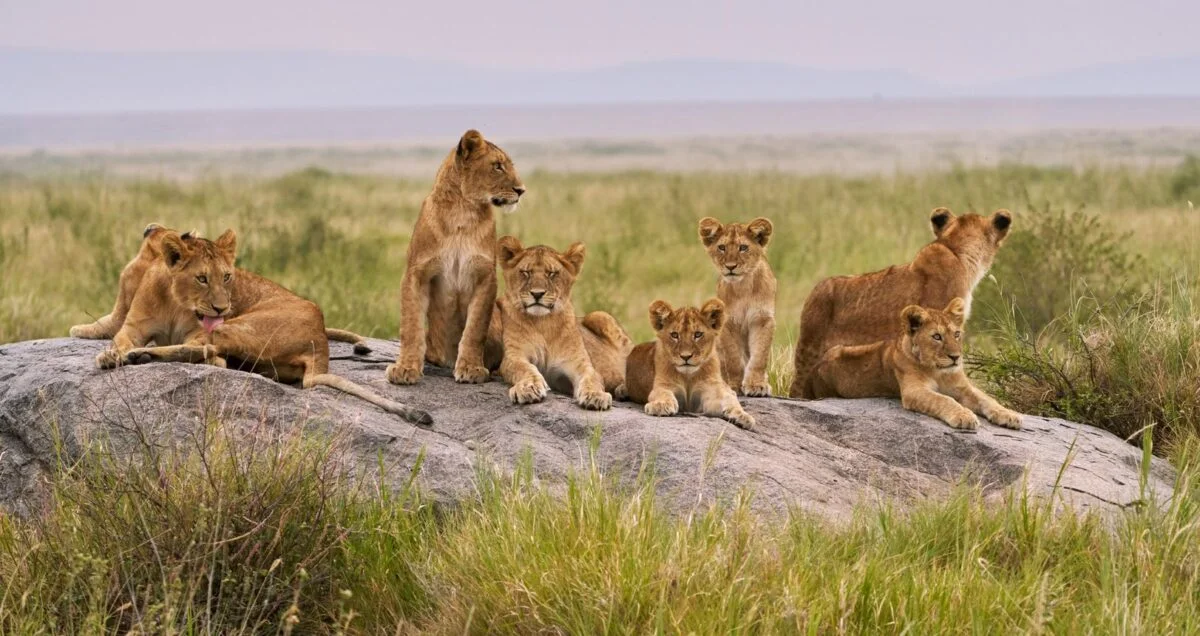

Serengeti National Park is Africa's
most iconic safari destination, home to the Great Migration and an
extraordinary concentration of predators. Planning a trip here means
understanding the migration's seasonal rhythms, choosing the right region and
accommodation, and navigating park fees and logistics. This guide breaks down
the essential elements for an unforgettable Serengeti experience.
Understanding
the Serengeti Ecosystem
The Serengeti is a UNESCO World
Heritage Site covering 3.7 million acres of acacia-dotted grasslands,
woodlands, and granite outcrops known as kopjes . It forms part of the larger
Serengeti-Mara ecosystem shared with Kenya's Maasai Mara. The name derives from
a Maasai word meaning "endless plains," and the landscape delivers on
that promise. The park's diverse habitats riverine forests, swamps, and open
savannah support over 500 bird species and the classic Big Five: lion, leopard,
elephant, buffalo, and rhino . This ecological richness makes the Serengeti one
of the few places where a single safari can deliver both spectacular predator
sightings and the world's largest terrestrial mammal migration.
The
Great Migration: Nature's Greatest Spectacle
The Great Migration involves
approximately 1.8 million wildebeest, 300,000 zebras, and hundreds of thousands
of gazelles moving in a clockwise circuit through the Serengeti-Mara ecosystem .
This movement is driven entirely by rainfall and the search for fresh grazing,
meaning the herds never follow a fixed schedule. The migration is not a single
event but a year-round cycle, with each season offering a different chapter.
Understanding this rhythm is essential for planning a safari that matches your
wildlife priorities, whether that means witnessing river crossings, observing
newborn calves, or simply being present in the landscape as the herds move
through.
Timing
Your Visit: Calving Season (January–March)
The year begins with the herds
gathered on the short-grass plains of the southern Serengeti and Ndutu region.
This is calving season, when hundreds of thousands of wildebeest give birth
within a few weeks . The concentration of vulnerable young animals draws
predators close, making this one of the most rewarding periods for lion,
cheetah, and hyena sightings. The open plains also provide excellent visibility
for photography. For travelers prioritizing dramatic predator-prey interactions
and the spectacle of new life, January through March offers an exceptional
experience that many safari veterans consider the Serengeti's best-kept secret.
Timing
Your Visit: The Green Season (April–May)
As the long rains arrive, the herds
begin moving northwest through the central and western Serengeti. This period
is often overlooked by travelers, but it offers distinct advantages . The
landscape transforms into lush green scenery, visitor numbers drop
significantly, and the experience feels more peaceful and exclusive.
Photography benefits from dramatic skies and vibrant colors. While wildlife
viewing can be more challenging due to thicker vegetation, the absence of
crowds and the beauty of the green plains make this an appealing option for
travelers who value solitude and scenery over ticking off specific wildlife
checklists.
Timing
Your Visit: River Crossings (July–October)
This is the period most people
picture when they imagine the Great Migration. The herds concentrate in the
northern Serengeti and Kenya's Maasai Mara, creating the possibility of
witnessing the famous Mara River crossings . Wildebeest gather in huge numbers
along the riverbanks before braving crocodile-infested waters. However,
crossings are never guaranteed timing depends on rainfall, grazing conditions,
and the herds' unpredictable movements. A riverbank busy one day may be quiet
the next. Travelers hoping to witness a crossing should base themselves in the
north near Kogatende and allow ample time on safari to maximize their chances.
The
Western Corridor and Grumeti River (June–July)
By June, the migration typically
moves through the Western Corridor, where the herds face their first major
river challenge at the Grumeti . This region offers excellent general game
viewing with drier conditions making wildlife easier to spot. The Grumeti
River's crocodiles present a formidable barrier, and the action here can be
dramatic, though less famous than the Mara crossings. The Western Corridor is
often quieter than the northern Serengeti during peak season, offering a more
intimate safari experience while still providing access to the migrating herds
and the predators that follow them.
Beyond
the Migration: Year-Round Wildlife
The Serengeti is not solely about
the migration. The park's resident wildlife populations are exceptional
year-round. The Seronera Valley in the central Serengeti is renowned for its
high density of lions and leopards, often seen resting in the branches of
acacia trees or lounging on granite kopjes . Elephants, giraffes, and buffalo
are commonly encountered throughout the park. The kopjes themselves are
miniature ecosystems, trapping water and supporting unique plant and animal
communities. For travelers visiting outside migration season, the central and
southern regions offer reliable and rewarding game viewing without the need to
chase the herds.
Choosing
Accommodation: Lodges, Camps, and Mobile Options
Serengeti accommodation ranges from
permanent luxury lodges to mobile tented camps that follow the migration. The
Four Seasons Safari Lodge offers contemporary comfort with waterhole views,
while &Beyond Serengeti Under Canvas provides a more authentic tented
experience that relocates every few months to stay near the herds . Sanctuary
Kusini in the southern Serengeti sits on a kopje overlooking the plains, and
Singita Sabora Tented Camp evokes the elegance of a bygone safari era . Mobile
camps are ideal for travelers prioritizing migration proximity, while permanent
lodges suit those who prefer consistent amenities and easy access to specific
regions.
Getting
There: Air versus Road
Most safaris begin with a flight to
Kilimanjaro International Airport or Arusha, followed by a domestic flight to a
Serengeti airstrip such as Seronera or Kogatende . Flights take one to two
hours and avoid the long, dusty drive from Arusha. Road transfers from Arusha
take seven to ten hours and are generally not recommended for short stays,
though they can be arranged as part of a broader overland itinerary through
Ngorongoro or Lake Manyara . Flying directly into the park also avoids the
Ngorongoro transit fee, which applies to all road vehicles passing through the
conservation area
Park
Fees and Budgeting
Serengeti entry fees for
non-resident adults are approximately $70 per person per 24-hour period, with
an additional concession fee of around $71 per person per night for stays
inside the park boundary . A separate Ngorongoro transit fee of $71 per adult
per crossing applies to road journeys passing through the conservation area,
charged both on entry and exit . Most safari operators include these fees in
package prices, but independent travelers should budget carefully and carry
cash or a card as backup, since remote gate systems occasionally experience
outages.
Game
Drive Rhythm and Daily Life
A typical Serengeti safari day
begins before dawn, with game drives departing around 6am when wildlife is most
active . Late morning returns to camp for lunch and rest during the heat of the
day, followed by an afternoon drive departing around 4pm. Sundowners drinks
enjoyed at a scenic spot as the sun sets are a cherished safari ritual. Dinners
are often candlelit and occasionally served under the stars. Travelers should
expect long hours in vehicles, dusty conditions during the dry season, and the
need for patience, as wildlife sightings are never guaranteed.
Special
Experiences: Balloon Safaris and Walking
A sunrise hot air balloon safari
offers a perspective impossible to achieve from the ground, drifting silently
over the plains as herds move below . Balloon flights typically conclude with a
champagne breakfast on the savannah. Guided walking safaris, available in
select areas and private concessions, allow travelers to experience the bush on
foot, tracking wildlife and learning about smaller details often missed from a
vehicle. These experiences require advance booking and add significant cost,
but they provide a fundamentally different way of connecting with the
Serengeti's landscapes and wildlife.
The
Big Five and Predator Viewing
The Serengeti is one of the most
reliable places in Africa to see lions, leopards, elephants, buffalo, and
rhinos . Lions are abundant throughout the park, often found resting on kopjes
or stalking through the grass. Leopards favor trees, particularly along the
Seronera River. Rhinos are less common and more localized, primarily found in
the central and southern regions. The park's cheetah population is also
notable, with the Namiri Plains region east of Seronera being a former cheetah
sanctuary and an excellent place to spot them
Birdlife
and Smaller Wildlife
With over 500 recorded species, the
Serengeti rewards birders alongside mammal enthusiasts. Ostriches, eagles,
flamingos, and lilac-breasted rollers are among the most striking residents .
The park's rivers and swamps attract waterbirds, while woodlands support
colorful species like barbets and turacos. Smaller mammals bat-eared foxes,
jackals, mongooses, and various antelope species add texture to the safari
experience. Travelers who carry binoculars and a keen eye will find that the
Serengeti's biodiversity extends far beyond its famous large mammals.
Combining
Serengeti with Ngorongoro and Beyond
The Serengeti pairs naturally with
the Ngorongoro Crater, a UNESCO-listed caldera that offers a concentrated
wildlife experience in a stunning volcanic setting . Many itineraries combine
the two, spending several days in the Serengeti followed by a descent into the
crater. The broader northern Tanzania circuit also includes Tarangire National
Park, known for its elephant herds and baobab landscapes, and Lake Manyara. For
travelers with more time, the Serengeti can be combined with gorilla trekking
in Rwanda or Uganda, creating a journey that spans East Africa's most
extraordinary wildlife experiences.
Practical
Preparation and Packing
Serengeti safaris demand thoughtful
packing. Light, loose clothing in neutral colors, a wide-brimmed hat, high-SPF
sunscreen, and insect repellent are essential . Binoculars are indispensable
for spotting wildlife at distance. During the dry season, dust is pervasive, so
a face mask or buff can provide relief for those with respiratory
sensitivities. Sturdy walking shoes are useful for lodge grounds and any walking
activities. A valid yellow fever certificate may be required depending on your
origin, and travel insurance with medical evacuation coverage is strongly
recommended given the park's remote nature.
Conservation
and Responsible Tourism
The Serengeti faces ongoing
pressures from poaching, human-wildlife conflict, and the impacts of climate
change on migration patterns. Responsible tourism supports conservation through
park fees, community conservancies, and employment. Travelers can contribute by
choosing operators with strong ethical credentials, following park rules
strictly including staying in vehicles except at designated points and
maintaining safe distances from wildlife—and respecting the guides who manage
complex and sometimes unpredictable situations . The Serengeti remains a global
conservation success story, but its future depends on continued protection and
thoughtful visitation
