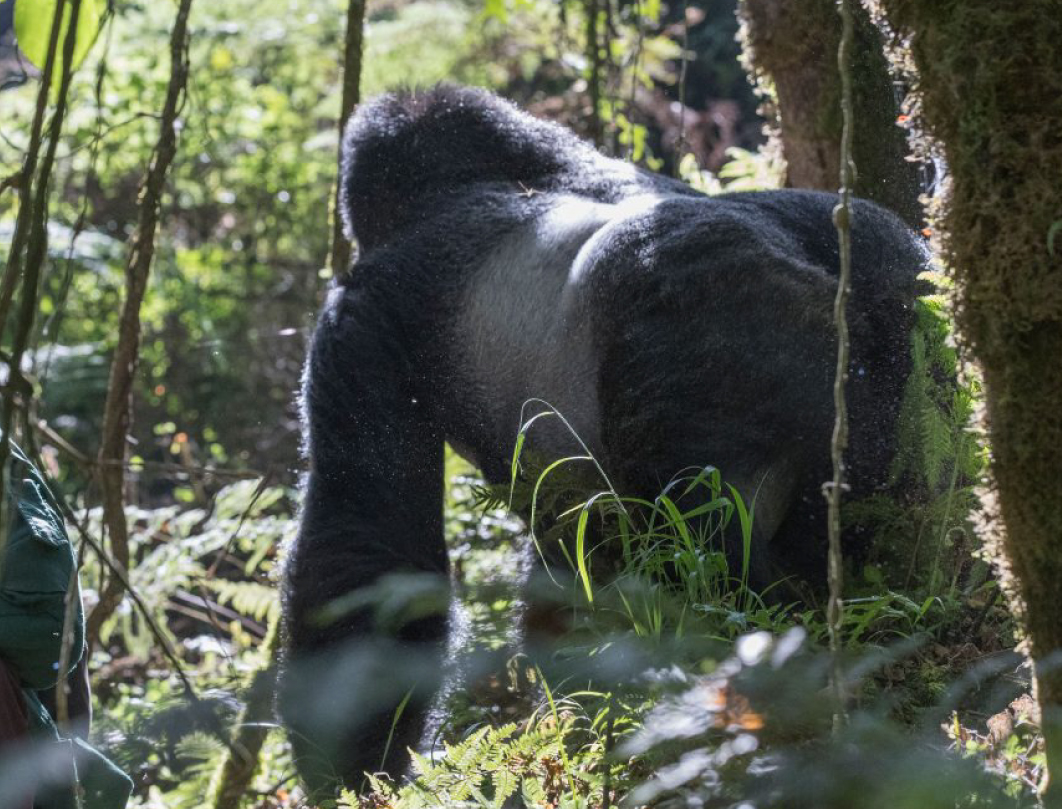
Rwanda has transformed itself into
one of Africa's most compelling safari destinations, offering a rare
combination of mountain gorilla encounters, classic Big Five game viewing, and
ancient rainforest exploration within a compact, well-organized country.
Planning a safari here requires understanding the permit system, choosing the
right parks, and preparing for the unique conditions of each region. This guide
breaks down the essential steps and considerations for a successful Rwandan
safari.
Understanding
Rwanda's Safari Identity
Rwanda is not a traditional safari
destination in the mold of Kenya or Tanzania. Its primary draw is the mountain
gorilla, and the country has built a high-value, low-volume tourism model
around this endangered primate . The focus is on exclusivity and conservation
rather than mass tourism. This means fewer crowds and a more intimate wildlife
experience, but it also requires careful advance planning, especially for
permits. Beyond gorillas, Rwanda offers savanna safaris, chimpanzee trekking,
and cultural experiences that round out a diverse itinerary.
Securing
the Mountain Gorilla Permit
The mountain gorilla trekking
permit is the single most important booking for any Rwandan safari. Permits
cost $1,500 per person for international visitors and are limited to eight
people per habituated gorilla family per day . Demand often exceeds supply,
particularly during the dry seasons, so reserving your permit as soon as your
travel dates are confirmed is essential. The permit grants you one hour with a
gorilla family after a trek that can range from one to several hours depending
on where the gorillas are located that day . All proceeds are reinvested into
conservation and community development.
Choosing
Your Parks and Experiences
While Volcanoes National Park is
the centerpiece for gorilla trekking, Rwanda offers three distinct safari
regions. Volcanoes National Park in the northwest is the rainforest sanctuary
for mountain gorillas and golden monkeys, featuring dramatic volcanic scenery .
Akagera National Park in the east is the country's only Big Five destination,
with savanna landscapes, lakes, and a remarkable conservation success story
involving the reintroduction of lions and rhinos . Nyungwe Forest National Park
in the southwest is one of Africa's oldest rainforests, home to chimpanzees,
colobus monkeys, and a spectacular canopy walkway
Timing
Your Visit for Optimal Conditions
Rwanda is a year-round destination,
but the dry seasons from June to September and December to February generally
offer the most comfortable trekking conditions with firmer trails and clearer
views . The rainy months from March to May and October to November bring lush
landscapes and fewer visitors, which can be advantageous for photography and
solitude, though trails become muddier and more challenging . Mountain weather
can change rapidly regardless of season, so waterproof layers and sturdy
footwear are essential year-round .
Arrival
and Entry Logistics
Most safaris begin at Kigali
International Airport. Visa procedures are straightforward: many nationalities
receive visa-free entry, while others can obtain a 30-day single-entry visa on
arrival for $50 . For travelers combining Rwanda with Uganda and Kenya, the
East Africa Tourist Visa costs $100 and allows multiple entries across the
three countries for 90 days, provided you apply through the country of first
entry . A valid yellow fever vaccination certificate is required if arriving
from a country with transmission risk, and your passport must have at least six
months of validity beyond your entry date
Preparing
Physically and Logistically for Trekking
Gorilla trekking involves hiking at
altitudes ranging from roughly 3,800 to 8,500 feet through dense vegetation and
steep terrain . A reasonable level of fitness is recommended, though porters
can be hired to carry bags and assist on difficult sections. Sturdy walking
shoes, long pants to protect against stinging nettles, gardening gloves, and a
lightweight waterproof jacket are advised . Cameras should be protected from
moisture, and contact lens wearers may find glasses more comfortable due to
dust and humidity . The hour with the gorillas passes quickly, so guides often
advise putting the camera down occasionally to simply observe.
Exploring
Beyond the Gorillas
A well-rounded Rwandan safari
extends beyond Volcanoes National Park. In Akagera, game drives and boat
safaris on Lake Ihema offer sightings of hippos, crocodiles, and nearly 500
bird species alongside traditional Big Five viewing . In Nyungwe, chimpanzee
trekking provides a completely different primate experience, and the canopy
walkway offers a bird's-eye perspective of one of Africa's most ancient forests
. Cultural experiences, including visits to tea plantations and community
projects, add depth to the wildlife encounters.
Accommodation
and the High-Value Model
Rwanda's safari accommodations
reflect the country's deliberate high-value, low-volume approach. Volcanoes
National Park hosts some of Africa's most luxurious safari lodges, with
properties from brands like Singita, Wilderness, and One&Only featuring
designed suites, fireplaces, and private verandas . In Akagera, lodges on the
shores of Lake Rwanyakazinga offer privacy and easy access to game drives and
boating . Nyungwe House occupies a stunning position within a tea plantation
bordering the rainforest . These lodges book up well in advance, particularly
during peak seasons, so early reservation is advised.
Health,
Safety, and Practical Considerations
Malaria prophylaxis is recommended
for Rwanda, and travelers should consult a healthcare provider before departure
. Swimming in freshwater lakes and rivers should be avoided due to the risk of
schistosomiasis . Rwanda has banned plastic bags since 2008; visitors should
not bring them, as they will be confiscated at entry . The country is generally
safe and well-organized for tourists, but standard precautions apply, including
avoiding close contact with unknown animals and maintaining good hygiene
practices . Medical evacuation insurance is worth considering given the remote
nature of some trekking areas.
Building
a Multi-Country Safari
Rwanda pairs well with its East
African neighbors for extended safaris. The East Africa Tourist Visa
facilitates travel between Rwanda, Uganda, and Kenya, allowing travelers to
combine gorilla trekking in Rwanda with chimpanzee tracking in Uganda or the Masai
Mara migration in Kenya . For those with more time, connections to Tanzania's
Serengeti and Ngorongoro Crater are available via regional flights, and
Zanzibar offers a relaxing beach finish after the rigors of trekking . These
combinations require careful logistical planning but reward travelers with an
exceptionally diverse African experience.
Ready to plan your next African
safari adventure? Contact Zoophilist Adventures and Safaris for tailor-made gorilla trekking,
wildlife safaris, chimpanzee tracking, and cultural tours across Uganda,
Rwanda, Kenya, and Tanzania.
📧 Email: info@primatetrekkingsafaris.com
mailto:zoophilistadventures@gmail.com
📞 Phone/WhatsApp: +256 760779592
Visit our official website for more information https://primatetrekkingsafaris.com/. Zoophilist Adventures and Safaris
specializes in personalized safari experiences, offering expert guidance and
carefully crafted itineraries for unforgettable African wildlife encounters