
A primate safari Rwanda offers
unforgettable encounters with mountain gorillas, chimpanzees, golden monkeys,
and other rare primates in some of Africa’s most protected forests. From
gorilla trekking in Volcanoes National Park to chimpanzee tracking in Nyungwe
Forest National Park, Rwanda provides diverse wildlife experiences supported by
world-class conservation efforts. The country’s excellent infrastructure, short
travel distances, and well-managed tourism sector make it easy to combine
multiple primate activities within one trip. Visitors also enjoy cultural
experiences, birdwatching, scenic landscapes, and community interactions.
Whether seeking close wildlife encounters, photography opportunities, or
conservation-focused travel, a primate safari Rwanda delivers an exceptional
combination of nature, education, and adventure in one of Africa’s most
remarkable destinations.
1. Why Rwanda Is
a Top Primate Safari Destination
Rwanda has earned a strong
reputation as one of Africa’s premier primate destinations thanks to its
remarkable conservation programs, accessible national parks, and rich
biodiversity. A primate safari Rwanda experience offers visitors the
opportunity to observe mountain gorillas, chimpanzees, golden monkeys, and
several other primate species in their natural habitats. Despite its relatively
small size, the country protects important ecosystems that support thriving
wildlife populations. Efficient road networks and short travel distances make
it possible to combine multiple primate activities in a single itinerary.
Visitors can move between Volcanoes National Park and Nyungwe Forest National
Park with ease, maximizing wildlife viewing opportunities. For travelers
seeking unforgettable encounters with some of the world's most fascinating
primates, a primate safari Rwanda journey delivers exceptional experiences
supported by strong conservation efforts and sustainable tourism practices.
2. Gorilla
Trekking in Volcanoes National Park
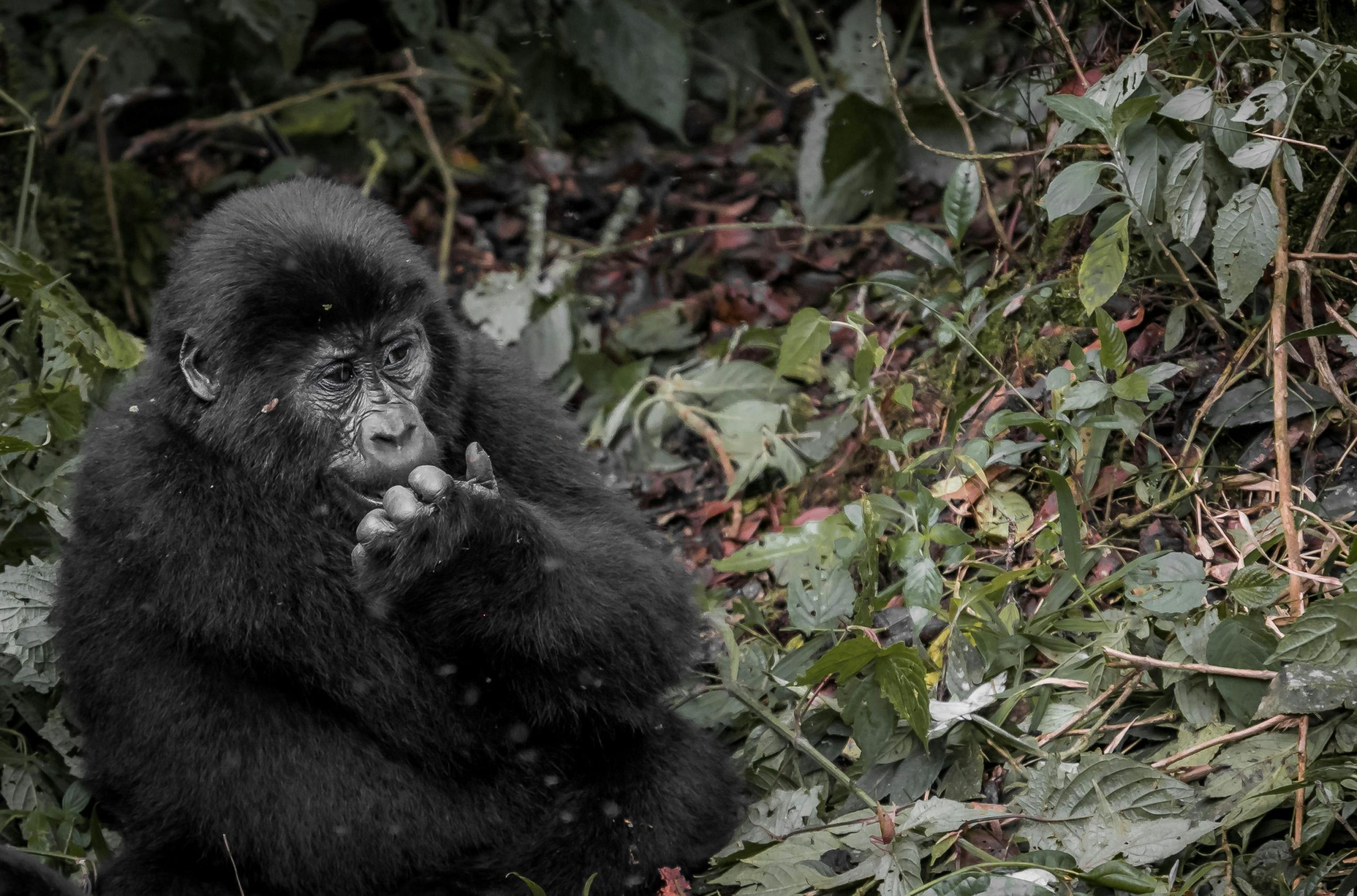
Mountain gorilla trekking is the
main highlight of a primate safari Rwanda adventure. Volcanoes National Park,
located in the Virunga Mountains, protects several habituated gorilla families
that are available for visitor tracking. Each trekking group is accompanied by
experienced guides and rangers who lead visitors through bamboo forests, dense
vegetation, and volcanic slopes. The experience culminates in a one-hour
observation period with a gorilla family, allowing visitors to witness feeding,
grooming, resting, and social interactions. Watching these endangered primates
at close range creates lasting memories while supporting conservation
initiatives. A primate safari Rwanda focused on gorilla trekking also provides
insight into ongoing efforts to protect mountain gorillas and their habitat.
The park's accessibility from Kigali makes it one of Africa’s most convenient
gorilla trekking destinations.
3. Golden Monkey
Tracking in Volcanoes National Park
Golden monkey tracking is another
unique activity included in many primate safari Rwanda itineraries. These rare
and energetic primates inhabit the bamboo forests of Volcanoes National Park
and are known for their bright golden-orange fur, playful movements, and social
behavior. Guided treks allow visitors to locate habituated groups that move
actively through forest vegetation in search of shoots, fruits, and insects.
Unlike gorilla trekking, golden monkey tracking is generally less physically
demanding, making it suitable for a wider range of travelers. Photographers
particularly appreciate the opportunity to capture the monkeys as they leap
between branches and interact with group members. Adding this experience to a
primate safari Rwanda package provides visitors with a broader understanding of
Rwanda’s primate diversity while offering a fascinating contrast to gorilla
encounters.
4. Chimpanzee
Tracking in Nyungwe Forest National Park
Nyungwe Forest National Park is
Rwanda’s leading chimpanzee destination and plays an essential role in every
comprehensive primate safari Rwanda experience. The park protects a large area
of ancient montane rainforest where chimpanzees thrive alongside many other
primate species. Early morning tracking excursions provide the best opportunity
to locate chimpanzee groups as they begin their daily activities. Visitors
often hear vocalizations before seeing the animals moving through the forest
canopy. Observing chimpanzees feed, communicate, groom, and interact reveals
behavior that closely resembles human social dynamics. A primate safari Rwanda
adventure in Nyungwe not only provides excellent chimpanzee encounters but also
introduces visitors to one of Africa’s most biologically diverse forests.
Professional guides enhance the experience by sharing detailed information
about chimpanzee ecology and conservation.
5. Other Primate
Species Found in Rwanda
Beyond gorillas, chimpanzees, and
golden monkeys, a primate safari Rwanda tour offers opportunities to see
several additional primate species. Nyungwe Forest National Park is
particularly rich in biodiversity and supports populations of black-and-white
colobus monkeys, owl-faced monkeys, blue monkeys, vervet monkeys, grey-cheeked
mangabeys, and L'Hoest's monkeys. The famous colobus monkey groups in Nyungwe
can number hundreds of individuals, creating impressive wildlife viewing
opportunities. Guided forest walks often reveal multiple species during a
single excursion. These encounters enhance the value of a primate safari Rwanda
experience by showcasing the country's broader primate diversity. For wildlife
enthusiasts and researchers, observing different primate species in varied
habitats provides valuable insight into ecological relationships and behavioral
adaptations within Rwanda’s protected forests.
6. Best Time for
a Primate Safari in Rwanda
A primate safari Rwanda holiday
can be enjoyed throughout the year, but many travelers prefer the drier seasons
from June to September and December to February. During these months, trails
are generally less muddy and forest hikes can be more comfortable. However,
Rwanda’s forests remain productive and green throughout the year, ensuring
excellent wildlife viewing opportunities in every season. Gorilla trekking,
golden monkey tracking, and chimpanzee excursions operate year-round. Travelers
visiting during wetter periods may benefit from fewer visitors and excellent
photographic conditions due to lush vegetation. Regardless of travel dates,
visitors should expect occasional rainfall and prepare accordingly. A
successful primate safari Rwanda adventure requires appropriate clothing,
sturdy hiking footwear, and flexibility to accommodate changing weather
conditions within mountainous and forested environments.
7. Conservation
Success and Community Participation
Conservation forms the foundation
of every primate safari Rwanda experience. Rwanda has become internationally
recognized for its commitment to wildlife protection, habitat restoration, and
sustainable tourism. Revenue generated from gorilla permits, park entry fees,
and tourism services contributes directly to conservation programs and
community development initiatives. Local communities benefit through employment
opportunities, infrastructure improvements, and revenue-sharing projects.
Conservation education also helps build support for wildlife protection among
neighboring populations. During a primate safari Rwanda journey, visitors gain
firsthand understanding of how tourism supports endangered species conservation
while improving local livelihoods. The success of mountain gorilla conservation
in Rwanda demonstrates how effective partnerships between government agencies,
conservation organizations, and communities can deliver positive outcomes for
both wildlife and people.
8. What to Pack
for a Rwanda Primate Safari
Proper preparation contributes
significantly to the success of a primate safari Rwanda trip. Visitors should
pack waterproof hiking boots, long-sleeved shirts, long trousers, a lightweight
rain jacket, gardening gloves, insect repellent, and sunscreen. Forest conditions
can vary considerably throughout the day, making layered clothing highly
useful. Binoculars and a camera help capture memorable moments and improve
wildlife viewing opportunities. A reusable water bottle and energy snacks
provide additional comfort during longer treks. Since gorilla and chimpanzee
tracking often involve walking through dense vegetation, protective clothing
helps reduce scratches and insect exposure. By packing practical equipment and
suitable outdoor gear, travelers ensure their primate safari Rwanda experience
remains comfortable, safe, and focused on enjoying the country's extraordinary
wildlife and natural beauty.
9. Combining
Primate Activities with Other Attractions
One advantage of a primate safari
Rwanda itinerary is the ability to combine wildlife experiences with other
attractions. Visitors often complement gorilla and chimpanzee tracking with
cultural village visits, canopy walks, birdwatching excursions, and tours of
Kigali. Lake Kivu offers opportunities for relaxation after active trekking
adventures, while the Kigali Genocide Memorial provides important historical
and educational insights. The country's compact size allows travelers to move
efficiently between destinations, minimizing travel times and maximizing
activities. A primate safari Rwanda package can therefore deliver a balanced
combination of wildlife, culture, history, and scenic landscapes. This
diversity appeals to a wide range of travelers, including families,
photographers, conservation supporters, honeymooners, and first-time visitors
seeking a comprehensive East African travel experience.
10. Planning the
Ultimate Rwanda Primate Safari
Planning an ultimate primate
safari Rwanda experience requires careful selection of destinations, permits,
accommodation, and travel dates. Most itineraries begin with gorilla trekking
in Volcanoes National Park before continuing to Nyungwe Forest National Park
for chimpanzee tracking and monkey viewing. Including golden monkey tracking
adds further value and creates a well-rounded primate-focused holiday.
Travelers should secure permits early, especially during peak travel seasons
when demand is high. Choosing experienced tour operators and knowledgeable
guides enhances both safety and educational value. Accommodation options range
from budget lodges to luxury wilderness retreats, allowing travelers to match
experiences with their preferences. A well-planned primate safari Rwanda
adventure delivers intimate wildlife encounters, conservation awareness,
cultural experiences, and some of the finest primate viewing opportunities
available anywhere in Africa.