
Northern Tanzania is home to the country's most
famous safari destinations, offering an exceptional mix of wildlife,
landscapes, and cultural experiences. The Northern Circuit includes Serengeti
National Park, Ngorongoro Conservation Area, Tarangire National Park, Lake
Manyara National Park, Arusha National Park, and Mkomazi National Park.
Together, these parks provide opportunities to see the Big Five, witness the
Great Wildebeest Migration, enjoy birdwatching, and experience diverse
ecosystems ranging from vast savannahs and volcanic craters to forests, lakes,
and mountain foothills. The circuit is well-developed with excellent
accommodation options and accessible transport connections, making it ideal for
first-time and experienced safari travelers alike. Whether seeking luxury,
photography, family adventures, or wildlife encounters, the Northern Circuit
remains the leading destination for safari holidays in Tanzania
1. Serengeti
National Park
Serengeti National Park is the most famous
destination in northern Tanzania and one of Africa’s greatest wildlife areas.
Covering vast plains, woodlands, and river systems, the park is known for
exceptional game viewing throughout the year. Visitors can see lions, leopards,
elephants, cheetahs, buffaloes, and countless antelope species during game
drives. The park is also the main stage for the Great Wildebeest Migration, where
millions of wildebeests and zebras move across the ecosystem in search of fresh
grazing. Different regions of the park offer unique experiences, from predator
sightings in the central Seronera area to river crossings in the north.
Serengeti provides excellent photography opportunities, luxury lodges, tented
camps, and cultural visits to nearby communities, making it the leading choice
for unforgettable safari holidays in Tanzania.
2. Ngorongoro
Conservation Area
The Ngorongoro Conservation Area is one of the most
remarkable safari destinations in Tanzania, centered around the world-famous
Ngorongoro Crater. The crater was formed by a collapsed volcanic mountain and
now shelters an extraordinary concentration of wildlife within its walls.
Visitors can see elephants, lions, buffaloes, hyenas, hippos, and the rare
black rhino during a single game drive. The fertile grasslands and permanent
water sources support wildlife throughout the year, making game viewing
reliable in every season. Beyond the crater, the conservation area includes
highlands, forests, and Maasai settlements that add cultural value to safari
holidays. Spectacular viewpoints overlooking the crater floor create lasting
memories for travelers. Ngorongoro combines breathtaking landscapes, abundant
wildlife, and cultural heritage into one of northern Tanzania’s finest safari
experiences.
3. Tarangire
National Park
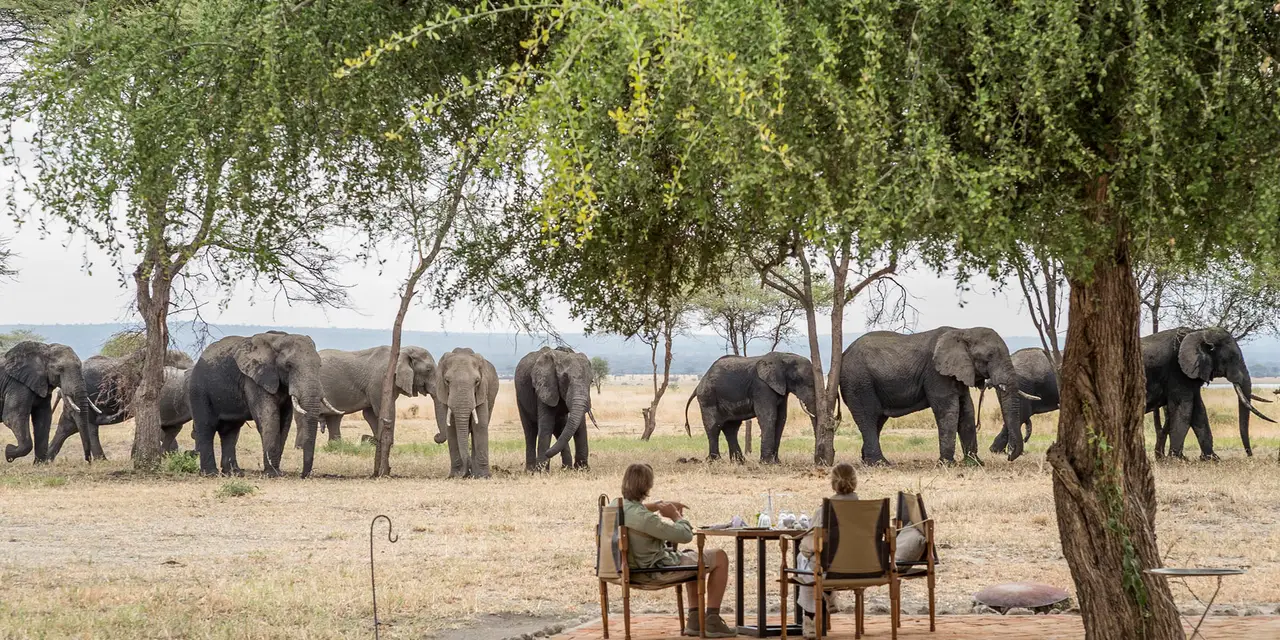
Tarangire National Park is a hidden gem within
Tanzania’s northern safari circuit and is best known for its large elephant
herds and iconic baobab trees. During the dry season, wildlife gathers around
the Tarangire River, creating outstanding opportunities to view animals in
large numbers. Visitors often encounter elephants, zebras, giraffes,
wildebeests, buffaloes, lions, and numerous bird species. The park is less
crowded than some other northern destinations, allowing for a more relaxed and
intimate safari experience. Tarangire’s landscape consists of rolling
savannahs, river valleys, swamps, and ancient baobab forests that create stunning
scenery for photography. The diversity of habitats supports a wide range of
wildlife throughout the year. For travelers seeking excellent wildlife viewing
away from larger crowds, Tarangire is an essential stop on safari holidays in
Tanzania.
4. Lake Manyara
National Park
Lake Manyara National Park is a compact yet diverse
wildlife destination located at the base of the Great Rift Valley escarpment.
The park offers a unique combination of forests, open grasslands, groundwater
springs, and the alkaline Lake Manyara itself. It is particularly famous for
its tree-climbing lions, a rare behavior that attracts wildlife enthusiasts
from around the world. Visitors can also encounter elephants, giraffes, hippos,
buffaloes, baboons, and large populations of flamingos when conditions are
favorable. The lush groundwater forest near the entrance creates a striking
contrast to the open plains and lakeshore habitats. Birdwatchers value the park
for its impressive variety of species found throughout the year. Its accessibility
and scenic beauty make Lake Manyara an excellent addition to northern Tanzania
safari holidays.
5. Arusha
National Park
Arusha National Park is one of the most accessible
parks in northern Tanzania and serves as an excellent introduction to the country’s
wildlife and landscapes. Although smaller than other parks on the northern
circuit, it offers remarkable diversity, including Mount Meru, Momella Lakes,
forests, and open grasslands. Visitors can see giraffes, zebras, buffaloes,
colobus monkeys, and numerous bird species during game drives and guided walks.
The park is one of the few places in Tanzania where walking safaris are
commonly enjoyed, providing a different perspective on nature. Canoeing on the
Momella Lakes adds another unique activity for travelers. The dramatic backdrop
of Mount Meru enhances the scenery, while clear days provide views of Mount
Kilimanjaro. Arusha National Park is ideal for travelers seeking varied
experiences before or after a longer safari adventure.
6. Mkomazi
National Park
Mkomazi National Park is an emerging safari
destination located on the northeastern edge of Tanzania near the Kenyan
border. The park is characterized by open savannahs, acacia woodlands, and
views of the Usambara and Pare Mountains. Mkomazi is particularly important for
conservation because it hosts successful breeding and protection programs for
endangered black rhinos and African wild dogs. Visitors can enjoy wildlife
viewing in a quieter environment with fewer vehicles than many popular parks.
Common sightings include giraffes, elephants, zebras, elands, hartebeests, and
numerous bird species. The scenic landscapes and vast open spaces create
excellent opportunities for photography and nature appreciation. For travelers
interested in conservation-focused safari holidays and less crowded wildlife
experiences, Mkomazi offers a rewarding addition to the northern Tanzania
circuit.
Best time to
visit the Northern parks of Tanzania
The best time to visit the Northern parks of
Tanzania is during the dry seasons from June to October and from December to
March. During these months, wildlife is easier to spot as animals gather around
rivers, waterholes, and permanent water sources in parks such as Serengeti,
Ngorongoro, Tarangire, and Lake Manyara. The June to October period is
particularly popular because it offers excellent game viewing and coincides
with key stages of the Great Wildebeest Migration in the Serengeti. The short
dry season from January to March is also rewarding, especially for witnessing
the wildebeest calving season in the southern Serengeti. While the rainy
seasons bring greener landscapes and fewer visitors, the dry months generally
provide the best conditions for safari photography, road access, and
unforgettable wildlife encounters across Tanzania's Northern Circuit.