
A safari
holiday in Uganda offers a unique combination of wildlife viewing, gorilla
trekking, chimpanzee tracking, birdwatching, and cultural experiences. Known as
the Pearl of Africa, Uganda features diverse landscapes that include savannahs,
tropical forests, mountains, wetlands, and large freshwater lakes. Visitors can
track endangered mountain gorillas in Bwindi Impenetrable National Park, enjoy
game drives in Queen Elizabeth and Murchison Falls National Parks, and cruise
along waterways rich in wildlife. Uganda is also one of Africa’s leading
birdwatching destinations, hosting hundreds of bird species. The country
welcomes budget, midrange, and luxury travelers with a wide range of
accommodation options. With favorable weather throughout the year, friendly
local communities, and remarkable biodiversity, Uganda provides a rewarding and
well-rounded safari experience for nature lovers and wildlife enthusiasts.
1. Uganda Is One
of Africa’s Most Diverse Safari Destinations
Uganda is a unique safari destination because it
combines wildlife viewing, primate tracking, birdwatching, cultural
experiences, and beautiful landscapes in one country. Unlike many safari
destinations that are mainly focused on game drives, Uganda offers a wider
variety of activities. Visitors can track mountain gorillas in Bwindi
Impenetrable National Park, see chimpanzees in Kibale Forest, and enjoy
traditional wildlife safaris in parks such as Queen
Elizabeth National Park and Murchison Falls National Park. The country is
home to savannahs, forests, wetlands, mountains, and lakes, creating a rich
environment for wildlife. A safari holiday in Uganda can suit travelers seeking
adventure, photography, nature, or cultural interaction. This diversity makes Uganda
an excellent choice for visitors looking for a more complete African wildlife
experience within a single journey.
2. Gorilla
Trekking Is Uganda’s Most Popular Safari Activity
Mountain gorilla trekking is the main attraction
that brings many visitors to Uganda every year. The activity takes place in
Bwindi Impenetrable National Park and Mgahinga Gorilla National Park, where
several habituated gorilla families are available for tracking. Treks can take
between two and eight hours depending on the gorillas' location. Once the
gorillas are found, visitors spend one hour observing their behavior in their
natural habitat. Gorilla permits must be obtained in advance because
availability is limited throughout the year. The experience allows travelers to
see gorillas at close range while supporting conservation efforts and local
communities. Many people consider this activity the highlight of a safari
holiday in Uganda because of the rare opportunity to observe one of the world's
most endangered primates in the wild.
3. Uganda Has
Excellent Wildlife Safari Opportunities
Although gorilla trekking receives much attention,
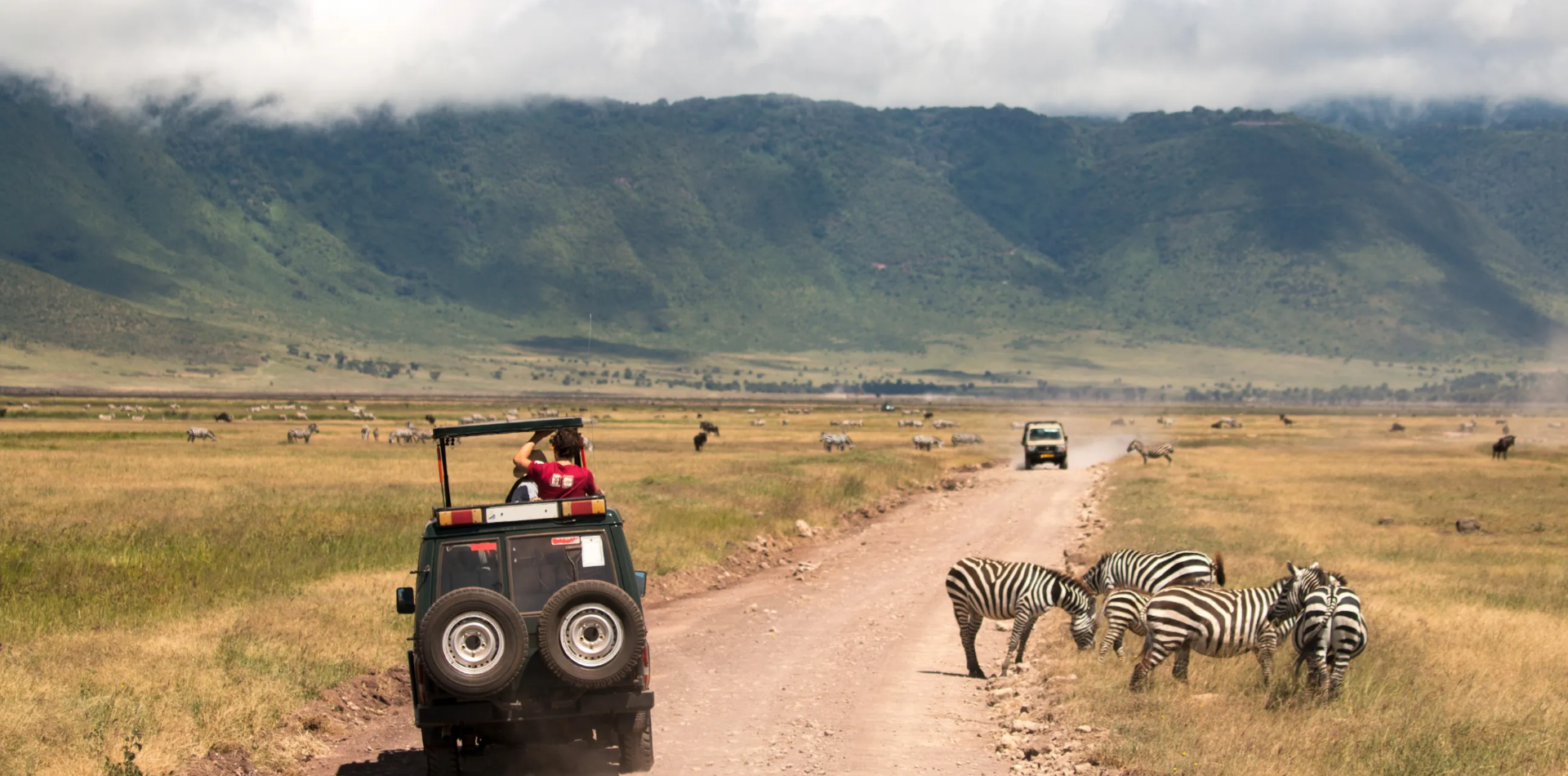
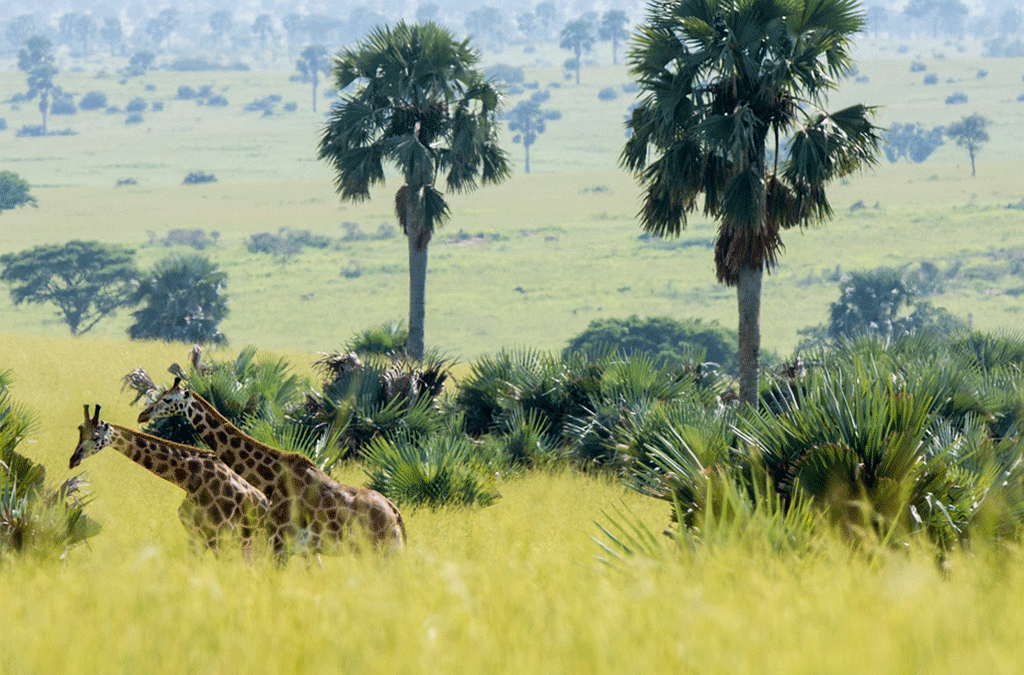
Uganda also offers excellent opportunities for wildlife safaris. Queen
Elizabeth National Park, Murchison Falls National Park, Kidepo Valley National
Park, and Lake Mburo National Park provide opportunities to see a variety of
animals. Common sightings include elephants, buffaloes, lions, leopards,
giraffes, zebras, antelopes, and hippopotamuses. Queen Elizabeth National Park
is also known for its tree-climbing lions in the Ishasha sector. Game drives
are usually conducted early in the morning and late in the afternoon when
animals are most active. Boat safaris on the Nile River and Kazinga Channel add
another dimension to wildlife viewing. Combining traditional game drives with
primate experiences makes Uganda different from many safari destinations and
gives travelers a broader wildlife experience.
4. The Best Time
for a Safari Depends on Your Preferences
Uganda is a year-round destination because of its
favorable climate, but some months offer better conditions for safari
activities. The dry seasons from June to September and December to February are
generally considered the best times for wildlife viewing and gorilla trekking.
During these months, trails are less muddy and animals gather near water
sources, making sightings easier. However, the wet seasons can also be
rewarding because the landscapes are greener and there are often fewer visitors
in the parks. Birdwatchers particularly enjoy the wetter months when migratory
species are present. Travelers should choose their travel dates based on their
interests, budget, and preferred weather conditions. Proper planning helps
maximize wildlife sightings and overall safari enjoyment throughout the year.
5. Uganda Is One
of the Best Birdwatching Destinations in Africa
Uganda is internationally recognized as a top
destination for birdwatching enthusiasts. The country hosts more than half of
Africa’s bird species, making it a paradise for bird lovers. Popular birding
locations include Mabamba Swamp, Kibale
Forest, Queen Elizabeth National Park, Murchison Falls National Park, and
Bwindi Impenetrable National Park. One of the most sought-after species is the
rare shoebill stork, which can often be seen in wetland areas. Other species
include kingfishers, hornbills, sunbirds, weavers, and numerous raptors.
Birdwatching can easily be combined with wildlife safaris and gorilla trekking
for a comprehensive itinerary. Whether visitors are experienced birders or casual
nature lovers, Uganda provides excellent opportunities to see a remarkable
variety of colorful and unique bird species throughout the country.
6. Safari Costs
Vary According to Travel Style
The cost of a safari holiday in Uganda depends
largely on travel style, accommodation preferences, transportation options, and
desired activities. Budget travelers can use affordable lodges, shared
transportation, and shorter itineraries to reduce expenses. Midrange safaris
offer comfortable accommodations and private guided experiences at moderate
prices. Luxury safaris provide upscale lodges, exclusive services, charter
flights, and personalized itineraries. Gorilla permits are often one of the
largest components of safari expenses. Park entrance fees, guide services,
meals, and transportation should also be included when estimating costs.
Booking through an experienced safari company can help travelers understand the
total expenses involved and avoid unexpected charges. With options available
for different budgets, Uganda is accessible to a wide range of travelers
seeking an African safari experience.
7. Good Physical
Preparation Improves the Experience
Many safari activities in Uganda require a moderate
level of physical fitness, particularly gorilla trekking and chimpanzee
tracking. Some trekking routes involve steep terrain, dense vegetation, and
long walking distances. Preparing through regular walking, hiking, or light
exercise before the trip can help visitors enjoy these activities more
comfortably. Travelers should also pack suitable clothing, including hiking
boots, long trousers, waterproof jackets, gloves, and insect repellent. Staying
hydrated and following the instructions of guides contributes to a safer and
more enjoyable experience. While not every activity is physically demanding,
being adequately prepared allows visitors to fully participate in various
safari experiences. Physical readiness also helps travelers adapt to changing
conditions in different parks and conservation areas across Uganda.
8. Conservation
Plays an Important Role in Uganda Safaris
Conservation is a major part of Uganda’s tourism
industry and safari experience. Revenue generated from gorilla permits, park
entrance fees, and tourism services helps protect wildlife and support local communities
living near conservation areas. National parks are managed with the goal of
preserving ecosystems and reducing threats such as poaching and habitat loss.
Visitors contribute directly to conservation efforts simply by participating in
responsible tourism activities. Many lodges also engage in community
development, education programs, and environmental initiatives. Travelers are
encouraged to follow park regulations, maintain safe distances from wildlife,
and respect natural habitats. Responsible tourism helps ensure that future
generations can continue enjoying Uganda’s wildlife while supporting
sustainable development within communities surrounding protected areas.
9. Cultural
Experiences Add Value to a Uganda Safari
A safari holiday in Uganda is not only about
wildlife. Cultural experiences allow visitors to learn more about the country's
diverse communities and traditions. Uganda is home to many ethnic groups, each
with unique customs, music, dances, cuisines, and ways of life. Cultural visits
can include interactions with local villages, community walks, traditional
performances, craft markets, and historical sites. Near Bwindi, visitors can
learn about the Batwa people, who have deep historical connections to the
forest. These experiences provide valuable insights into local culture while
creating opportunities for community income generation. Including cultural
activities in a safari itinerary offers a more balanced travel experience and
helps visitors gain a deeper understanding of Uganda beyond its remarkable
wildlife attractions.
10. Careful
Planning Leads to a Better Safari Holiday
Planning is one of the most important factors in
ensuring a successful safari holiday in Uganda. Travelers should determine
their preferred activities, budget, travel dates, and accommodation standards
before making bookings. Gorilla permits should be secured well in advance
because demand can be high during peak travel periods. Choosing a reputable
safari operator can help simplify logistics, including transportation,
accommodation, park reservations, and professional guiding services. Travel
insurance, health requirements, and packing lists should also be considered
before departure. Combining gorilla trekking, wildlife safaris, cultural
visits, and relaxation activities often creates a more rewarding itinerary.
With proper preparation and realistic expectations, visitors can enjoy an
organized, memorable, and enriching safari experience in one of Africa’s most
diverse wildlife destinations.