
A safari
holiday in Tanzania offers one of Africa’s most rewarding wildlife
experiences, combining world-famous national parks, abundant wildlife, rich
cultural heritage, and beautiful coastal destinations. Tanzania is home to
iconic safari locations such as Serengeti National Park, Ngorongoro
Conservation Area, Tarangire National Park, and Lake Manyara National Park,
where visitors can enjoy exceptional game viewing throughout the year. The
country is also renowned for the Great Migration, one of the world's most
remarkable wildlife events. Beyond wildlife, travelers can engage with local
communities, learn about Maasai culture, and relax on the white-sand beaches of
Zanzibar after their safari adventure. With accommodation options ranging from
budget camps to luxury lodges, Tanzania caters to all travel styles. Its
diverse landscapes and wildlife make it a top safari destination in Africa.
1. Tanzania Is
One of Africa’s Leading Safari Destinations
Tanzania is widely regarded as one of the best
safari destinations in Africa due to its exceptional wildlife, vast protected
areas, and diverse landscapes. The country is home to some of the continent’s
most famous national parks and conservation areas, including the
Serengeti, Ngorongoro Conservation Area, Tarangire National Park, and Lake
Manyara National Park. Visitors can enjoy wildlife viewing, cultural
experiences, mountain adventures, and beach holidays within a single trip.
Tanzania's safari industry is well developed, offering options for budget,
midrange, and luxury travelers. Its rich biodiversity, experienced guides, and
well-managed conservation areas make it an excellent choice for first-time
visitors and experienced safari travelers alike. A safari holiday in Tanzania
delivers a combination of wildlife, nature, culture, and adventure.
2. The Serengeti
Is the Country’s Most Famous Safari Destination
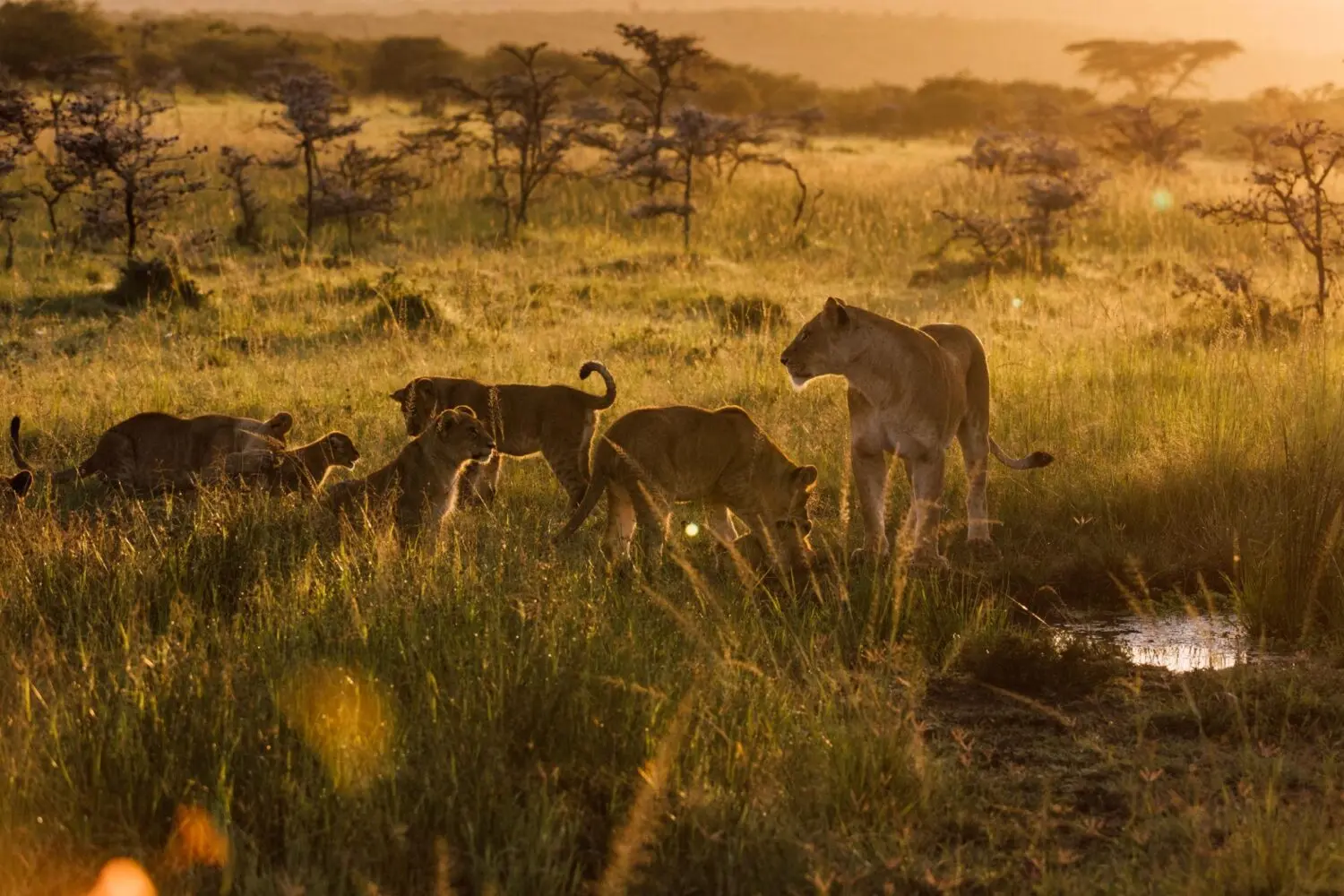
The Serengeti
National Park is Tanzania’s most recognized safari destination and attracts
travelers from around the world. Covering vast grasslands and open plains, the
park supports large populations of wildlife throughout the year. Visitors can
see lions, leopards, cheetahs, elephants, buffaloes, giraffes, zebras, and
numerous antelope species. The Serengeti is particularly known for its large
predator population and spectacular wildlife concentrations. Game drives take
place during morning and afternoon hours when animals are most active. The
park’s immense size provides a true wilderness atmosphere that allows visitors
to experience the natural rhythms of African wildlife. Many safari itineraries
include multiple days in the Serengeti because of the variety of habitats and
opportunities for exceptional wildlife photography.
3. The Great
Migration Is a Major Attraction
One of the most important reasons travelers choose
Tanzania is the opportunity to witness the Great Migration. Every year,
millions of wildebeests, zebras, and gazelles move across the Serengeti
ecosystem in search of fresh grazing areas and water. This movement attracts
predators and creates dramatic wildlife viewing opportunities. The migration
occurs in different areas of the Serengeti throughout the year, meaning
travelers should carefully select travel dates depending on the migration stage
they wish to observe. River crossings, calving seasons, and predator activity
are among the highlights associated with this natural event. The Great
Migration is considered one of the world's greatest wildlife spectacles and
significantly enhances the value of a safari holiday in Tanzania for
photographers and wildlife enthusiasts.
4. Tanzania
Offers Excellent Big Five Safaris
Tanzania is one of the best places in Africa to see
the Big Five, which include lions, leopards, elephants, buffaloes, and rhinoceroses.
Various parks offer opportunities to spot these animals, with Ngorongoro
Conservation Area being particularly famous for its high wildlife density. The
protected crater floor supports many species in a relatively compact area,
increasing chances of successful sightings. Visitors often combine Ngorongoro
with other parks such as Serengeti, Tarangire, and Lake Manyara to create a
comprehensive safari experience. Experienced guides help locate animals and
provide valuable information about their behavior and habitats. For travelers
interested in classic African wildlife safaris, Tanzania offers some of the
most reliable and rewarding game viewing opportunities on the continent.
5. Tanzania Has
Diverse Safari Landscapes
One of the unique advantages of Tanzania is the
variety of landscapes available within its safari circuit. Travelers can
experience vast savannahs in the Serengeti, volcanic landscapes in Ngorongoro,
baobab-filled scenery in Tarangire, and groundwater forests around Lake
Manyara. Southern Tanzania also offers less crowded parks such as Nyerere
National Park and Ruaha National Park. These diverse habitats support
different wildlife species and create varied safari experiences. Landscapes
change dramatically from one destination to another, making every game drive
different. Photographers, nature lovers, and adventure travelers appreciate the
visual diversity that Tanzania offers. Exploring multiple parks during a safari
provides a broader understanding of the country's ecological richness and
wildlife diversity.
6. Zanzibar
Complements a Tanzania Safari
Many travelers combine a safari holiday in Tanzania
with a beach vacation in Zanzibar. After several days of wildlife viewing,
Zanzibar offers an opportunity to relax along the Indian Ocean coastline. The
island is famous for its white sand beaches, turquoise waters, historical
attractions, and cultural heritage. Visitors can enjoy swimming, snorkeling,
diving, sailing, and spice tours. Stone Town provides insight into the island’s
rich history and cultural influences. The combination of safari and beach
experiences makes Tanzania one of Africa’s most versatile holiday destinations.
Many tour operators offer integrated packages that combine mainland wildlife
adventures with island relaxation. This combination appeals to honeymooners,
families, and travelers seeking varied experiences during a single trip.
7. The Best Time
to Visit Depends on Safari Goals
Tanzania is a year-round safari destination, but the
best travel period depends on individual interests. The dry season from June to
October is generally preferred for wildlife viewing because vegetation is
thinner and animals gather around water sources. The green season offers lush
landscapes, fewer visitors, and excellent birdwatching opportunities. Travelers
interested in the Great Migration should choose travel dates based on the
specific migration activities they want to see. Weather conditions vary across
different parts of the country, but safari activities remain available
throughout the year. Understanding seasonal wildlife movements, rainfall
patterns, and park conditions helps travelers select the most suitable time for
their safari and ensures a better overall experience.
8. Accommodation
Options Suit Different Budgets
A safari holiday in Tanzania can be customized to
suit a variety of budgets and travel styles. Budget travelers can choose
campsites and affordable lodges, while midrange travelers enjoy comfortable
safari lodges and tented camps. Luxury visitors can stay in exclusive lodges
that offer personalized service, spacious suites, and premium safari
experiences. Some luxury properties are strategically positioned for excellent
wildlife viewing directly from the lodge. Accommodation prices vary according
to location, season, and level of service. Advance booking is recommended,
especially during peak travel periods. The availability of diverse
accommodation categories allows travelers to enjoy Tanzania’s national parks
regardless of budget while maintaining comfort and access to key safari
attractions.
9. Cultural
Experiences Add Value to a Safari
Tanzania’s cultural heritage enriches the overall
safari experience. Visitors have opportunities to interact with local
communities and learn about traditional ways of life. Cultural visits often
include Maasai villages, local markets, traditional crafts, and community
tourism projects. These experiences provide insight into the customs, history,
and daily life of different ethnic groups across the country. Cultural tourism
also supports local livelihoods and promotes sustainable community development.
Many safari itineraries include cultural activities alongside wildlife viewing
to create a balanced travel experience. Learning about local traditions helps
travelers develop a deeper appreciation of Tanzania beyond its wildlife and
landscapes. The combination of nature and culture makes a safari holiday more
educational and memorable.
10. Proper
Planning Ensures a Successful Safari
Good planning is essential for making the most of a
safari holiday in Tanzania. Travelers should determine their preferred
destinations, budget, travel season, and accommodation standards before
booking. Choosing an appropriate itinerary is important because distances
between parks can be significant. Visitors should also consider transportation,
park entrance fees, travel insurance, and packing requirements. Lightweight
clothing, comfortable footwear, sun protection, and camera equipment are
commonly recommended for safari travel. Working with a reputable safari company
helps simplify logistics and ensures access to experienced guides. Combining
wildlife viewing, cultural activities, and optional beach extensions often
creates the most rewarding itinerary. Careful planning allows visitors to
maximize wildlife sightings and enjoy a smooth, enjoyable safari experience
throughout Tanzania.