
A safari
holiday in Rwanda offers an exceptional blend of gorilla trekking, wildlife
viewing, birdwatching, primate tracking, and cultural experiences within a
compact and easily accessible destination. Known as the Land of a Thousand
Hills, Rwanda is famous for its stunning landscapes, clean environment, and
strong commitment to conservation. Visitors can track endangered mountain
gorillas in Volcanoes National Park, enjoy classic wildlife safaris in Akagera
National Park, and observe chimpanzees in the ancient rainforest of Nyungwe
National Park. Rwanda’s excellent infrastructure allows travelers to move
between attractions with ease, making it ideal for short and extended safari
itineraries. The country offers luxury, midrange, and budget accommodation
options to suit different travelers. With year-round safari opportunities,
friendly communities, and protected wildlife habitats, Rwanda delivers a
rewarding and memorable African safari experience.
1. Rwanda Is
Known as the Land of a Thousand Hills
Rwanda is one of Africa’s most attractive safari
destinations, famous for its rolling green hills, clean cities, and remarkable
conservation success. Despite being one of the continent’s smaller countries,
Rwanda offers diverse safari experiences that include gorilla trekking,
wildlife viewing, birdwatching, cultural visits, and nature walks. The country
is easy to navigate due to its good road network and relatively short travel
distances between attractions. Visitors can travel from Kigali to major national
parks within a few hours, making safaris more convenient than in many larger
African destinations. Rwanda's focus on sustainable tourism and conservation
has helped protect wildlife while improving local communities. This balance
between conservation and tourism makes the country a rewarding destination for
travelers seeking authentic experiences.
2. Gorilla
Trekking Is Rwanda's Main Safari Attraction
Mountain
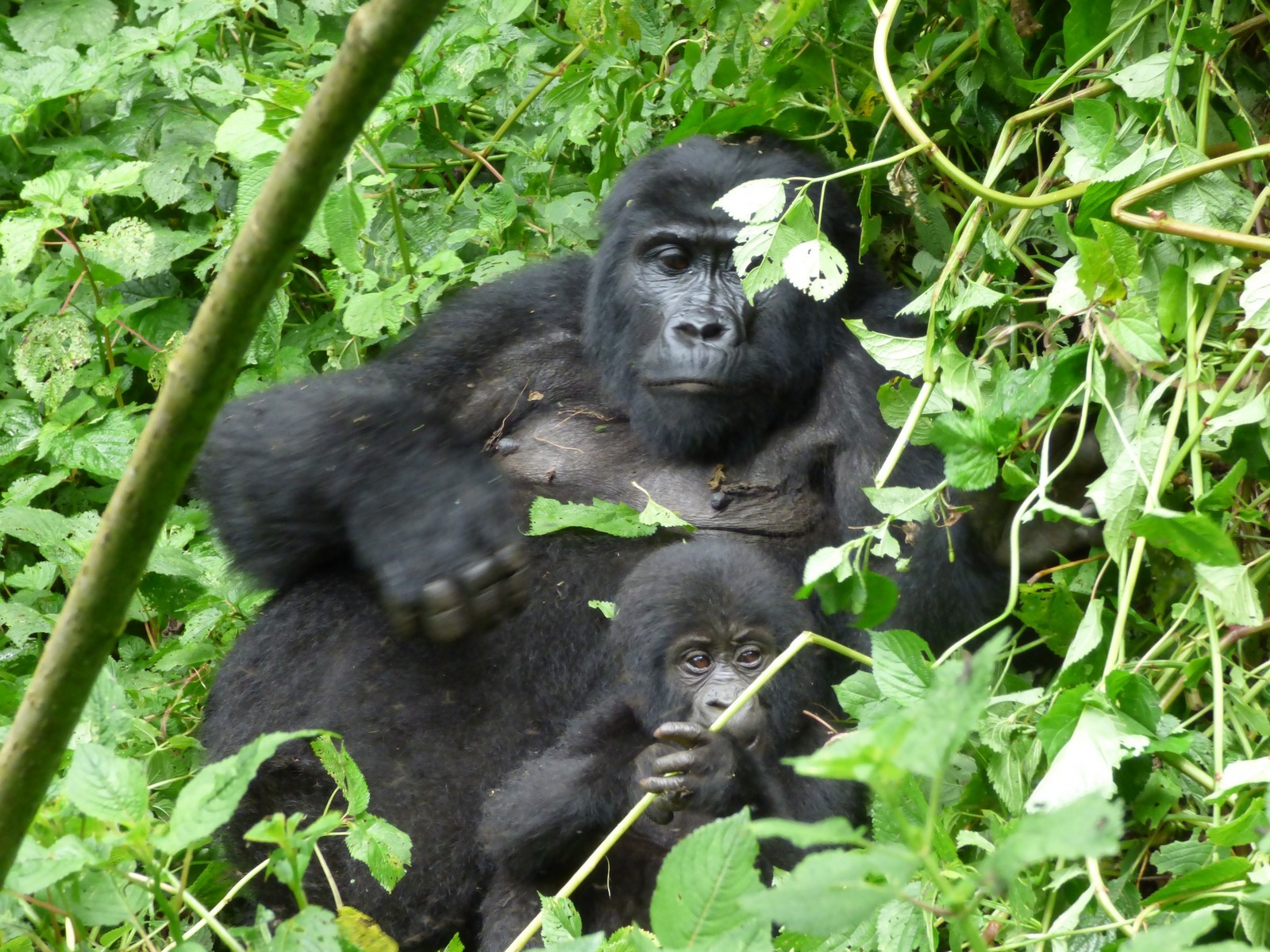
gorilla trekking is the most popular safari activity in Rwanda. The
experience takes place in Volcanoes National Park, located in the country's
northern region. The park protects several habituated gorilla families that
visitors can track under the guidance of professional rangers. Treks vary in
duration depending on where the gorillas are located, but visitors are allowed
one hour to observe the gorillas after finding them. Watching these endangered
primates interact in their natural habitat is often considered one of Africa's
most memorable wildlife experiences. Gorilla trekking permits are limited and
should be booked well in advance. The revenue generated supports wildlife
conservation and community development projects, ensuring long-term protection
of the mountain gorilla population while benefiting local residents.
3. Rwanda Offers
Traditional Wildlife Safaris
Although gorillas are the main attraction, Rwanda
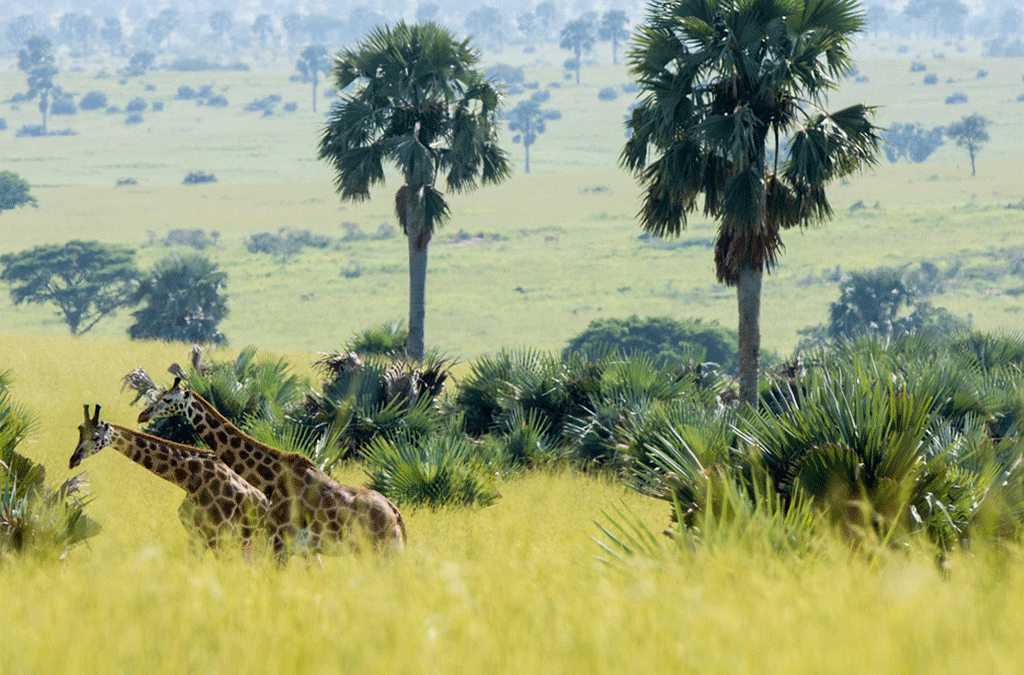
also offers outstanding traditional wildlife safaris. Akagera National Park is
the country’s leading savannah wildlife destination and is home to the Big
Five, including lions, leopards, elephants, buffaloes, and rhinoceroses.
Visitors can enjoy game drives through grasslands, woodlands, and wetlands
while observing a variety of wildlife species. Akagera also provides boat
safaris on Lake Ihema, where hippos, crocodiles, and numerous bird species can
be seen. Conservation efforts have successfully restored wildlife populations,
making the park increasingly popular among safari travelers. Combining Akagera
National Park with gorilla trekking creates a well-rounded safari holiday that
offers both primate encounters and classic African wildlife viewing experiences
within a relatively short itinerary.
4. Chimpanzee
Tracking Is Another Major Highlight
Rwanda provides excellent opportunities for
chimpanzee tracking, particularly in Nyungwe
Forest National Park. This ancient rainforest is one of Africa’s most
important primate habitats and supports large populations of chimpanzees and
other monkey species. Guided trekking excursions allow visitors to search for
chimpanzees while learning about the forest ecosystem. The experience often
involves walking through dense vegetation and listening for vocalizations
before locating the primates. Chimpanzee tracking complements gorilla trekking
by providing another exciting primate experience. Nyungwe is also known for its
biodiversity, including unique plants, butterflies, and bird species. Travelers
interested in primates and forest wildlife often include both Volcanoes
National Park and Nyungwe Forest National Park in their safari itinerary for a
broader wildlife experience.
5. Rwanda Is
Excellent for Birdwatching
Birdwatching is an important part of Rwanda’s safari
offerings. The country hosts hundreds of bird species across its forests,
wetlands, lakes, and savannah ecosystems. Nyungwe Forest National Park, Akagera
National Park, and Volcanoes National Park are among the best birding areas.
Visitors may observe colorful turacos, sunbirds, hornbills, kingfishers,
weavers, and several Albertine Rift endemic species. Birdwatching can be
enjoyed throughout the year and is often combined with wildlife safaris and
primate activities. Both experienced birders and casual nature lovers
appreciate Rwanda’s rich avian diversity. The country's varied habitats allow
travelers to observe many species within a relatively short period. Rwanda
remains one of East Africa’s most rewarding destinations for bird enthusiasts
seeking unique species and excellent birding conditions.
6. The Best Time
to Visit Depends on Safari Interests
Rwanda can be visited throughout the year, but some
seasons offer better conditions for certain activities. The dry seasons from
June to September and December to February are generally preferred for gorilla
trekking and wildlife viewing because trails are easier to navigate. During
these months, vegetation is less dense, improving visibility for wildlife
sightings. The rainy seasons bring greener landscapes, excellent photography
opportunities, and fewer tourists in some areas. Birdwatchers often appreciate
the wetter periods because many migratory species are present. Regardless of
the season, Rwanda's moderate climate allows visitors to enjoy safari
activities comfortably. Understanding seasonal conditions helps travelers
select the best time for their preferred experiences and maximize the value of
their safari holiday.
7. Safari Costs
Are Influenced by Several Factors
The cost of a safari
holiday in Rwanda depends on accommodation standards, transportation
options, safari duration, and activities included in the itinerary. Gorilla
trekking permits account for a significant portion of safari expenses for many
travelers. Budget accommodations are available, though Rwanda is generally
known as a premium safari destination due to its focus on high-value tourism.
Midrange and luxury lodges provide excellent comfort and service near major
parks. Additional costs may include park entrance fees, guiding services,
domestic transportation, and optional activities. Travelers can manage expenses
by selecting suitable accommodation categories and travel seasons. Careful
budgeting and working with experienced tour operators help visitors create
itineraries that match their desired travel style while maximizing their safari
experience.
8. Conservation
Is Central to Rwanda’s Tourism Industry
Rwanda has become a leading example of successful
wildlife conservation in Africa. Government agencies, conservation
organizations, and local communities work together to protect national parks
and wildlife habitats. Tourism revenue plays a vital role in supporting
conservation programs and community development initiatives. The protection of
mountain gorillas has helped Rwanda gain international recognition for its
conservation achievements. Visitors contribute directly to these efforts
through park fees and permit purchases. Responsible tourism practices,
including following park guidelines and respecting wildlife, are strongly
encouraged. Conservation projects have improved wildlife populations, habitat
protection, and local livelihoods. This focus on sustainability creates a safari
experience where travelers can enjoy wildlife while contributing to the
long-term protection of natural resources.
9. Cultural
Experiences Enhance a Rwanda Safari
Cultural tourism adds another dimension to a safari
holiday in Rwanda. Visitors can learn about Rwanda’s traditions, history, and
modern development through cultural villages, museums, local markets, and
community projects. The Iby’Iwacu Cultural Village near Volcanoes National Park
introduces travelers to traditional dance, music, storytelling, and local
customs. Kigali also offers important historical sites that provide insight
into Rwanda’s journey and progress. Community visits allow tourists to interact
with local residents and support small businesses through cultural tourism
activities. These experiences help visitors gain a deeper understanding of
Rwandan society while complementing wildlife adventures. Combining cultural
activities with gorilla trekking and wildlife safaris creates a richer and more
meaningful travel experience.
10. Careful
Planning Is Essential for a Successful Safari
A successful safari holiday in Rwanda requires
proper planning before travel. Visitors should determine their preferred
activities, travel dates, accommodation category, and overall budget well in
advance. Gorilla trekking permits should be secured early, especially during
peak travel seasons when demand is high. Working with a reputable safari
operator can simplify transportation, accommodation bookings, and park
reservations. Travelers should also prepare suitable clothing for trekking,
including waterproof jackets, hiking boots, and long-sleeved clothing. Travel
insurance and health preparations should be completed before departure.
Combining gorilla trekking, chimpanzee tracking, wildlife viewing, and cultural
experiences often provides the most rewarding itinerary. Good planning ensures
a smooth safari experience while maximizing opportunities to enjoy Rwanda’s
wildlife, landscapes, and cultural attractions.