
A safari
holiday in Kenya offers one of Africa’s most classic and rewarding wildlife
experiences, combining spectacular game viewing, rich cultural heritage,
diverse landscapes, and excellent tourism infrastructure. Kenya is home to
world-renowned safari destinations such as the Maasai Mara National Reserve,
Amboseli National Park, Tsavo National Parks, Samburu National Reserve, and
Lake Nakuru National Park. Visitors can enjoy sightings of the Big Five,
witness the seasonal Great Migration, and participate in activities such as game
drives, hot air balloon safaris, birdwatching, and cultural visits. Beyond
wildlife, Kenya’s Indian Ocean coastline provides opportunities for beach
relaxation in destinations like Diani and Watamu. With accommodation ranging
from budget camps to luxury lodges, Kenya caters to all travel styles. Its
year-round safari opportunities make it a leading destination for African
wildlife holidays.
1. Kenya Is One
of Africa’s Most Famous Safari Destinations
Kenya is widely recognized as one of the world's
leading safari destinations and has played a major role in shaping modern
wildlife tourism. The country offers an excellent combination of wildlife
viewing, cultural experiences, scenic landscapes, and coastal relaxation. From
the vast plains of the Maasai Mara to the elephant-rich habitats of Amboseli
National Park, Kenya provides diverse safari opportunities for travelers of
all interests and budgets. The country has a well-developed tourism
infrastructure, making it easy to access major parks and reserves. Kenya's
variety of accommodation options, experienced guides, and extensive
conservation areas help create memorable safari experiences. Whether visitors
are first-time safari travelers or returning wildlife enthusiasts, Kenya offers
countless opportunities to experience Africa's natural beauty and wildlife.
2. The Maasai
Mara Is Kenya’s Most Popular Safari Destination
The Maasai
Mara National Reserve is Kenya’s most famous wildlife area and one of
Africa’s top safari destinations. Known for its open grasslands and abundant
wildlife, the reserve attracts visitors throughout the year. The Maasai Mara
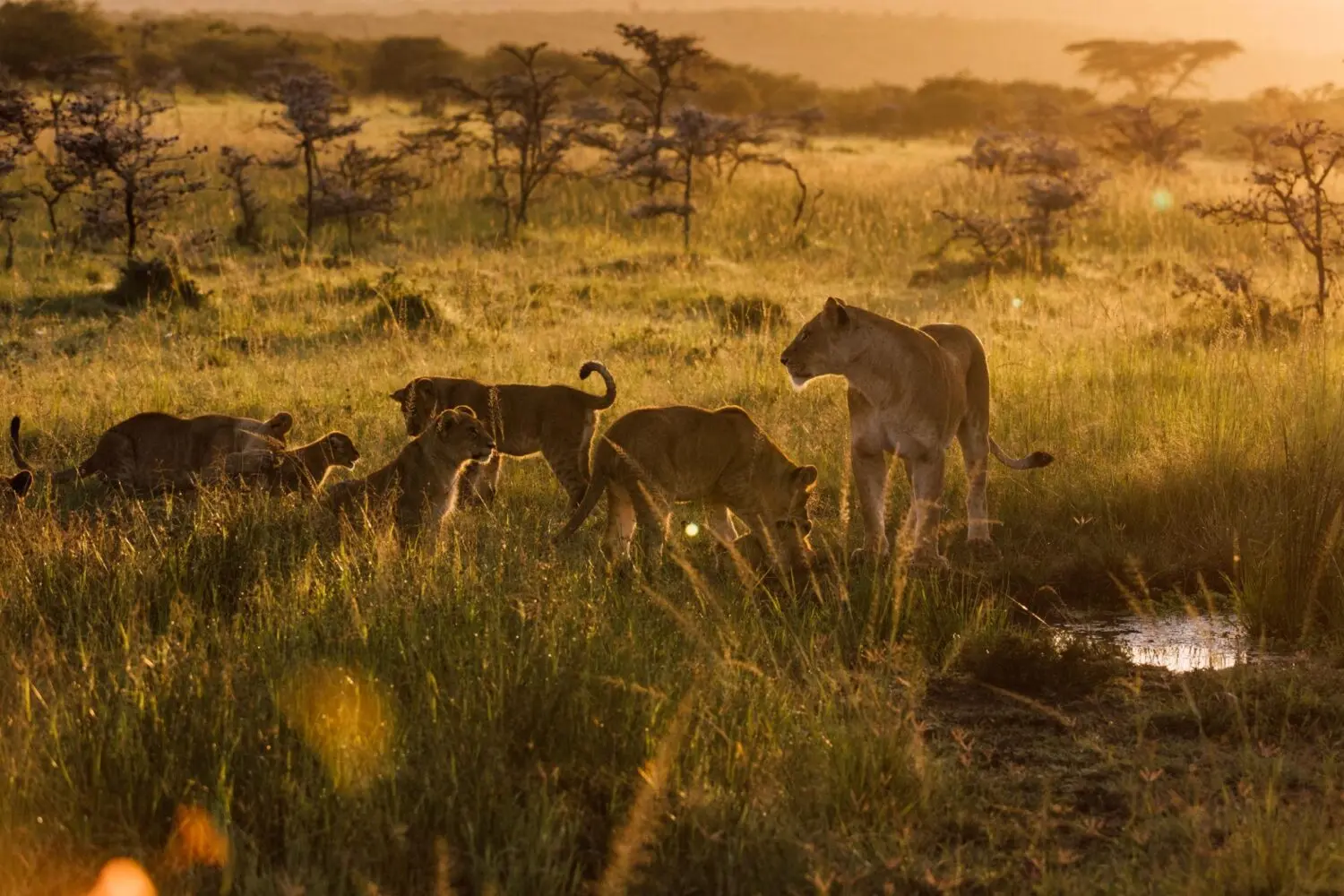
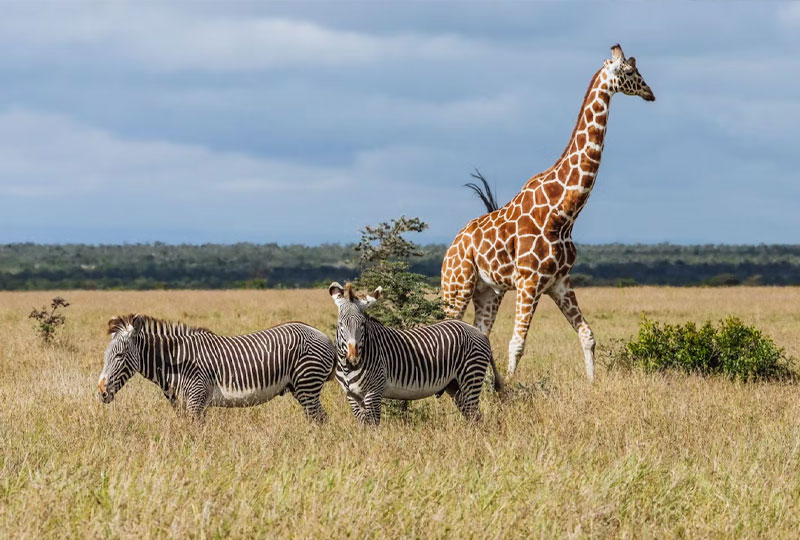
provides excellent opportunities to see lions, leopards, cheetahs, elephants,
buffaloes, giraffes, zebras, and numerous antelope species. Game drives often
produce outstanding wildlife sightings due to the reserve’s rich biodiversity.
The area is also home to the Maasai people, whose traditional culture adds
value to the safari experience. Many travelers choose to spend several days in
the Maasai Mara because of its exceptional game viewing and photographic
opportunities. It remains the centerpiece of many safari itineraries across
Kenya.
3. The Great
Migration Is a Major Attraction
One of the most remarkable wildlife events in the
world takes place in the Maasai Mara ecosystem. Each year, large herds of
wildebeests, zebras, and gazelles move between Tanzania’s Serengeti and Kenya’s
Maasai Mara in search of fresh grazing. This migration attracts predators such
as lions, leopards, and crocodiles, creating dramatic wildlife viewing moments.
River crossings are particularly famous because thousands of animals must
navigate dangerous waters while avoiding predators. Many travelers plan their
safari holidays around this natural event. The migration offers exceptional
opportunities for wildlife photography and observation. Although Kenya has
excellent wildlife throughout the year, the migration season is often
considered one of the most rewarding times to visit the country.
4. Kenya Offers
Excellent Big Five Safaris
Kenya is one of the best places in Africa to see the
Big Five, which include lions, leopards, elephants, buffaloes, and
rhinoceroses. Several parks and reserves offer strong opportunities for
sightings. Maasai Mara National Reserve, Amboseli National Park, Tsavo National
Park, Samburu National Reserve, and Lake Nakuru National Park are among the
most popular destinations. Conservancies located near major parks also
contribute to successful wildlife experiences by providing protected habitats
and lower visitor numbers. Experienced guides use their knowledge of animal
behavior to maximize wildlife sightings during game drives. For travelers
interested in traditional African safaris, Kenya provides some of the continent’s
most accessible and rewarding wildlife viewing opportunities throughout the
year.
5. Kenya Has
Diverse Safari Landscapes
A safari holiday in Kenya allows visitors to
experience a range of landscapes that support different ecosystems and wildlife
species. Amboseli National Park is famous for its views of Mount Kilimanjaro
and large elephant herds. Samburu National Reserve features semi-arid
environments and species rarely seen elsewhere. Lake
Nakuru National Park is known for its scenic lake environment and
populations of rhinos. Tsavo East and Tsavo West National Parks offer rugged
wilderness areas and vast open spaces. These contrasting landscapes enhance the
safari experience by providing different wildlife habitats and photographic
opportunities. Exploring several regions within Kenya gives travelers a broader
understanding of the country’s ecological diversity and remarkable natural
attractions.
6. Kenya Offers
More Than Wildlife Safaris
While wildlife viewing is the primary reason many
travelers visit Kenya, the country offers numerous additional attractions.
Cultural visits, nature walks, birdwatching excursions, hot air balloon
safaris, and beach holidays all enrich a safari itinerary. Travelers can learn
about local traditions through interactions with Maasai and Samburu
communities. Adventure seekers can enjoy hiking, cycling, and nature
exploration in selected conservation areas. Kenya’s Indian Ocean coastline also
features beautiful destinations such as Diani Beach, Watamu, and Malindi. Combining
wildlife adventures with cultural and coastal experiences creates a balanced
holiday suitable for couples, families, and solo travelers seeking a variety of
memorable experiences.
7. The Best Time
to Visit Depends on Travel Goals
Kenya can be visited throughout the year, although
travel seasons influence wildlife viewing conditions. The dry seasons from June
to October and January to February are generally excellent for game viewing
because animals congregate around water sources and vegetation is less dense.
Travelers interested in witnessing the Great Migration often choose the months
when large herds occupy the Maasai Mara. The rainy seasons offer greener
landscapes and can attract fewer visitors in some areas. Birdwatchers may also
find the wetter months rewarding due to seasonal bird activity. Understanding
seasonal conditions allows travelers to select dates that align with their
interests and maximize their safari experience.
8. Accommodation
Options Fit Every Budget
Kenya offers safari accommodation options suitable
for budget, midrange, and luxury travelers. Budget travelers can choose
campsites and simple lodges that provide affordable access to major
attractions. Midrange lodges offer good comfort, modern amenities, and quality
service. Luxury safari camps and lodges feature premium facilities,
personalized service, gourmet dining, and exclusive wildlife experiences. Some
properties are situated within private conservancies that provide more intimate
wildlife viewing opportunities. Accommodation prices vary based on location,
season, and service standards. Booking early is recommended during peak tourist
periods. The wide range of accommodation options ensures that Kenya remains
accessible to travelers with different budgets and travel preferences.
9. Conservation
and Community Tourism Are Important
Conservation plays a vital role in Kenya’s tourism
sector. National parks, reserves, and private conservancies work together to
protect wildlife and habitats while supporting local communities. Revenue from
tourism contributes to wildlife conservation projects, park management, and
community development initiatives. Many conservancies partner with local
residents, creating employment opportunities and encouraging sustainable land
use practices. Visitors can contribute to conservation by following park
regulations, respecting wildlife, and supporting responsible tourism operators.
These efforts help maintain healthy ecosystems and protect wildlife populations
for future generations. Conservation-focused tourism has become one of the key
factors behind Kenya’s long-term safari success.
10. Careful
Planning Creates a Better Safari Experience
Planning ahead is essential for a successful safari
holiday in Kenya. Travelers should identify their preferred destinations,
wildlife interests, accommodation standards, and budget before making bookings.
Transportation arrangements, park entrance fees, travel insurance, and seasonal
considerations should all be included in planning. Packing appropriate
clothing, comfortable footwear, sunscreen, and camera equipment contributes to
a more enjoyable safari. Working with an experienced safari operator can
simplify logistics and help create efficient itineraries. Combining wildlife
viewing, cultural experiences, and beach relaxation often results in the most
rewarding holiday. With good preparation and realistic expectations, visitors
can enjoy an organized, comfortable, and memorable safari experience in one of
Africa’s premier wildlife destinations.