
Rwanda safari tours offer an exceptional blend of
wildlife encounters, primate adventures, breathtaking landscapes, and rich
cultural experiences. Known as the Land of a Thousand Hills, Rwanda is one of
Africa’s most rewarding safari destinations, featuring mountain gorilla
trekking in Volcanoes National Park, classic game drives in Akagera National
Park, and chimpanzee tracking in Nyungwe Forest National Park. Travelers can
also enjoy bird watching, canopy walks, community visits, and cultural
performances while exploring the country’s diverse attractions. With excellent
infrastructure, strong conservation programs, and a reputation for safety,
Rwanda provides unforgettable safari experiences for both first-time and
seasoned travelers. These 20 frequently asked questions answer everything you
need to know about Rwanda safari tours, from permits and costs to wildlife,
accommodation, and the best time to visit.
1. What Is a
Rwanda Safari Tour?
A Rwanda safari tour is a wildlife and
nature-focused journey that allows visitors to experience Rwanda’s remarkable
attractions, including mountain gorillas, golden monkeys, national parks,
cultural sites, and scenic landscapes. Rwanda is often called the "Land of
a Thousand Hills" because of its rolling green countryside and
breathtaking views. Most Rwanda safari tours include visits to Volcanoes
National Park, Akagera National Park, and Nyungwe Forest National Park.
Travelers can enjoy activities such as gorilla trekking, game drives, bird
watching, chimpanzee tracking, canopy walks, and cultural encounters. Rwanda
safari tours are suitable for solo travelers, couples, families, photographers,
and wildlife enthusiasts. The country’s excellent road network, safety, and
conservation success make it one of Africa’s most attractive safari
destinations for those seeking both adventure and comfort.
2. What Is
Gorilla Trekking in Rwanda?
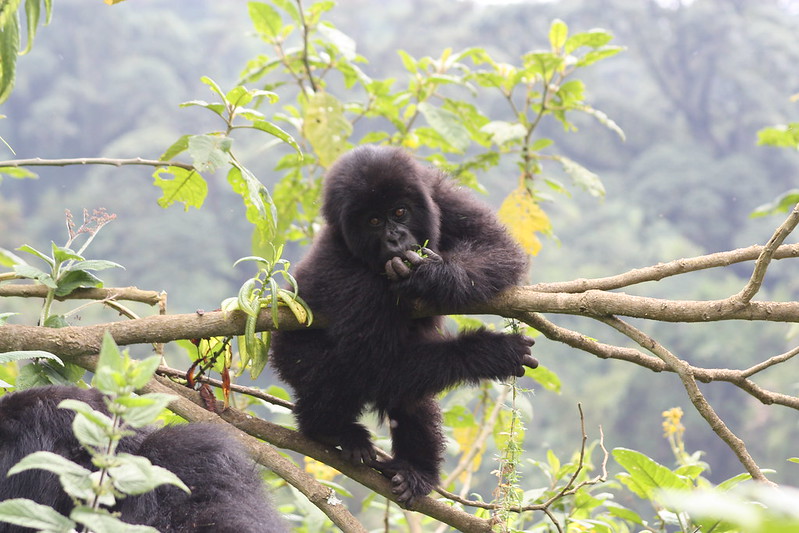
Gorilla trekking is the most famous activity
included in Rwanda safari tours and involves hiking through Volcanoes National
Park to find a habituated mountain gorilla family. Guided by experienced park
rangers, visitors follow signs left by gorillas until they locate them in their
natural habitat. Once found, travelers spend one hour observing their behavior,
social interactions, feeding patterns, and playful activities. The experience
is deeply moving because mountain gorillas share about 98 percent of human DNA.
The trek can last from one to several hours depending on the gorillas’
location. Rwanda limits visitor numbers to protect gorillas and their habitat.
Many travelers consider this wildlife encounter one of the most memorable
experiences in Africa and a highlight of Rwanda safari tours.
3. How Much Does
a Rwanda Safari Tour Cost?
The cost of Rwanda safari tours depends on the
duration, accommodation level, transportation method, and activities included.
Budget safaris generally feature comfortable lodges and shared transportation,
while luxury options offer premium lodges, private guides, and exclusive
services. Gorilla permits often represent the largest expense because they
provide access to mountain gorilla trekking experiences. Additional factors
influencing cost include park entrance fees, domestic flights, meals, and optional
activities. Travelers can choose from short three-day safari packages or longer
journeys that explore multiple destinations. Rwanda safari tours provide
options for different budgets and travel styles. Planning early can help secure
permits and accommodation choices while allowing visitors to select a package
that offers the best value.
4. When Is the
Best Time for Rwanda Safari Tours?
Rwanda safari tours can be enjoyed throughout the
year, but many travelers prefer the dry seasons from June to September and from
December to February. During these periods, trails are generally less muddy,
making gorilla trekking and wildlife viewing more comfortable. The rainy
seasons bring lush vegetation, beautiful scenery, and fewer visitors, which
appeals to photographers and travelers seeking quieter experiences. Wildlife
remains available year-round in Rwanda’s national parks. Bird watchers
particularly enjoy the wetter months because migrating species are often
present. Since mountain gorillas live in the forest all year, trekking remains
possible regardless of season. The best time depends on personal interests,
although dry months are often recommended for easier hiking conditions.
5. Is Rwanda
Safe for Safari Travelers?
Rwanda is widely regarded as one of Africa’s safest
destinations for tourists. The country has invested heavily in security,
tourism infrastructure, and conservation programs that support Rwanda safari
tours. Visitors often praise the cleanliness, organization, and welcoming
atmosphere found throughout the country. Tourist destinations are well managed,
and national parks operate with professional ranger teams who accompany
visitors during activities. Travelers should still follow normal safety
precautions such as securing valuables, following guide instructions, and
respecting local regulations. Roads connecting major attractions are generally
in good condition compared to many regional destinations. For those planning
wildlife adventures, cultural tours, or photography trips, Rwanda offers a secure
environment that helps visitors focus on enjoying their safari experience.
6. Which
National Parks Are Included in Rwanda Safari Tours?
Most Rwanda safari tours focus on three major
national parks. Volcanoes National Park is famous for mountain gorillas and
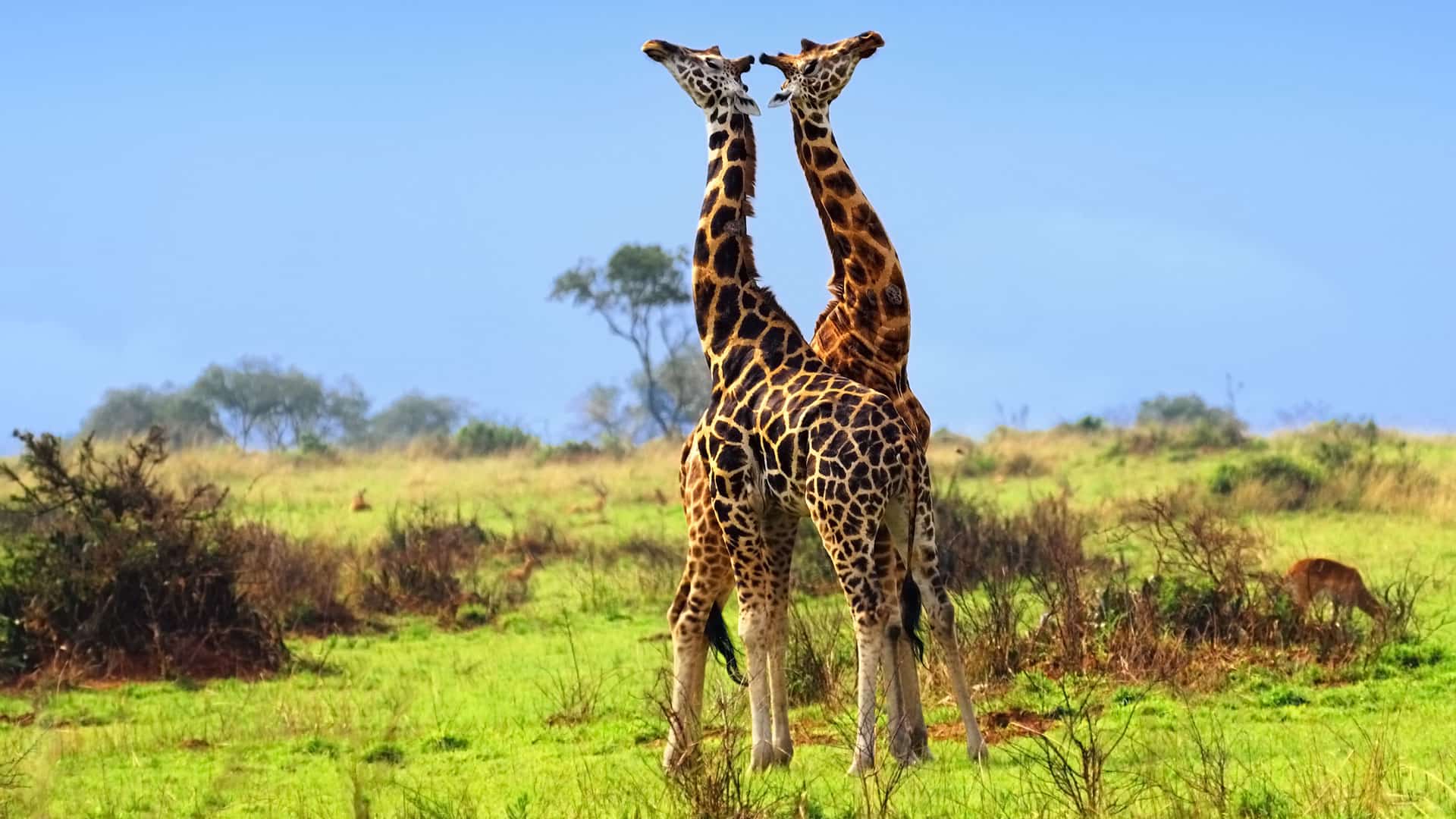
golden monkeys. Akagera National Park offers traditional wildlife safaris with
elephants, lions, giraffes, buffaloes, zebras, and many antelope species.
Nyungwe Forest National Park is known for chimpanzees, primates, birdlife, and
the famous canopy walkway. Each park provides a different safari experience,
allowing travelers to enjoy diverse ecosystems within a relatively small
country. Some tours combine all three national parks to provide a complete
Rwanda safari experience. Visitors can enjoy forest adventures, savannah game
viewing, and unique conservation stories during one trip. These destinations
form the foundation of most Rwanda safari tours available today.
7. How Difficult
Is Gorilla Trekking in Rwanda?
The difficulty of gorilla trekking varies depending
on the location of the gorilla family assigned to visitors. Some groups live
near the park boundary, while others range deeper into the forest and higher on
mountain slopes. Rwanda safari tours accommodate different fitness levels by
allocating groups according to visitor preferences and physical capabilities
when possible. Treks can last from one to several hours and involve walking
through muddy, steep, or uneven terrain. Visitors are advised to wear sturdy
hiking boots and bring rain gear. Although the trek can be physically
demanding, experienced guides and porters assist participants throughout the
journey. Most travelers find the effort worthwhile once they spend time
observing the gorillas.
8. What Wildlife
Can Be Seen on Rwanda Safari Tours?
Rwanda safari tours provide opportunities to see a
wide range of wildlife beyond mountain gorillas. In Akagera National Park,
visitors commonly encounter elephants, lions, rhinos, leopards, buffaloes,
giraffes, zebras, hippos, and crocodiles. Nyungwe Forest supports chimpanzees
and numerous monkey species, while Volcanoes National Park hosts golden monkeys
and diverse birdlife. Rwanda is home to hundreds of bird species, making it an
attractive destination for bird watchers. Wildlife sightings vary according to
season, weather, and habitat conditions. Guided game drives, forest walks, boat
cruises, and trekking activities maximize opportunities to see animals. The
diversity available within a compact country is a major reason why Rwanda
safari tours continue attracting international visitors.
9. How Long
Should a Rwanda Safari Tour Be?
The ideal length of Rwanda safari tours depends on
traveler interests and available time. A three-day itinerary often focuses on
gorilla trekking, while five to seven days allow visitors to combine gorillas
with wildlife safaris and cultural experiences. Tours lasting eight to ten days
provide opportunities to experience Volcanoes, Akagera, and Nyungwe national
parks together. Longer safaris create a more relaxed pace and increase chances
of enjoying multiple activities without rushing. Travelers interested in
photography, bird watching, or primate tracking may benefit from extended
itineraries. Rwanda’s compact size means travel times between destinations are
manageable, making it possible to experience diverse attractions within a
relatively short period compared to many other African safari destinations.
10. Do I Need a
Gorilla Permit?
Yes, every visitor participating in gorilla trekking
during Rwanda safari tours must obtain a valid gorilla permit. Permits control
visitor numbers and support conservation efforts that protect endangered
mountain gorillas. They are issued for specific dates and gorilla families and
should be secured well before travel, especially during popular seasons. Tour
operators usually arrange permits on behalf of their clients as part of safari
packages. Without a permit, travelers cannot join gorilla trekking activities.
Permit revenue contributes to wildlife protection, community development projects,
and park management. Because demand is often high, early planning is strongly
recommended. Having a confirmed permit ensures access to one of the most
celebrated wildlife experiences available during Rwanda safari tours.
11. What
Accommodation Options Are Available?
Rwanda safari tours offer a wide range of
accommodation choices suitable for different budgets and preferences. Budget
travelers can stay in guesthouses and comfortable safari lodges, while luxury
visitors can select premium eco-lodges and exclusive wilderness retreats. Many
properties are strategically located near national parks, reducing travel time
before activities. Accommodations often provide scenic views, local cuisine,
modern amenities, and personalized service. Luxury lodges near Volcanoes
National Park are particularly popular among gorilla trekkers. Mid-range
options remain widely available and provide excellent value for travelers
seeking comfort without excessive expense. The variety of accommodation options
ensures that Rwanda safari tours can be tailored to specific interests,
expectations, and financial plans.
12. Can Families
Join Rwanda Safari Tours?
Families can enjoy Rwanda safari tours, although
certain activities have age restrictions. Gorilla trekking generally requires participants
to be at least fifteen years old due to safety and conservation regulations.
However, many family-friendly activities are available, including cultural
visits, game drives, boat rides, nature walks, and bird watching experiences.
Several lodges provide family accommodations and activities designed for
younger travelers. Parents can create customized itineraries that combine
wildlife viewing with educational experiences about conservation and local
cultures. Rwanda’s safe environment and efficient tourism infrastructure make
it an appealing destination for family adventures. Careful planning ensures
that both adults and children enjoy meaningful experiences during their safari
vacation in Rwanda.
13. What Should
I Pack for Rwanda Safari Tours?
When preparing for Rwanda safari tours, travelers
should pack lightweight clothing, long-sleeved shirts, waterproof jackets,
sturdy hiking boots, and comfortable walking trousers. Gorilla trekking
requires appropriate outdoor gear because weather conditions can change quickly
in mountainous forests. Insect repellent, sunscreen, sunglasses, and a hat are
also recommended. A camera with extra batteries helps capture memorable
wildlife encounters. Reusable water bottles, personal medications, and
binoculars can enhance the safari experience. Neutral-colored clothing is often
preferred for wildlife activities because it blends with natural surroundings.
Packing layers is important because temperatures may vary between regions and
times of day. Proper preparation improves comfort and enjoyment throughout
Rwanda safari tours.
14. What Is the
Gorilla Habituation Experience?
The gorilla habituation experience allows visitors
to spend extended time with mountain gorillas that are gradually becoming
accustomed to human presence. Unlike standard gorilla trekking, which permits
one hour with a habituated family, habituation experiences offer more detailed
observation opportunities. Researchers, trackers, and conservation teams work
closely with these gorilla groups over several years. Participants in this
activity gain deeper insight into gorilla behavior, communication, feeding patterns,
and social interactions. Although Rwanda is best known for traditional
trekking, visitors interested in conservation education often seek
opportunities to learn more about gorilla management. This experience provides
an extraordinary perspective on wildlife protection and helps strengthen
appreciation for the conservation efforts associated with Rwanda safari tours.
15. Can Rwanda
Safaris Be Combined with Other Countries?
Yes, Rwanda safari tours are frequently combined
with neighboring destinations such as Uganda, Kenya, and Tanzania.
Multi-country itineraries allow travelers to experience a broader range of
wildlife, landscapes, and cultural attractions within a single vacation. Many
visitors combine Rwanda’s gorilla trekking with the Great Migration in Tanzania
or Kenya, creating an exceptional East African safari experience. Others pair
Rwanda with Uganda to enjoy additional gorilla encounters and chimpanzee
tracking opportunities. Regional flight connections and border access make
travel between these countries relatively convenient. Combining destinations
provides greater diversity and often appeals to travelers seeking comprehensive
wildlife experiences. Tour operators commonly design customized packages
incorporating multiple countries into one journey.
16. Are Rwanda
Safari Tours Good for Bird Watching?
Rwanda safari tours are excellent for bird watchers
because the country supports an impressive variety of bird species across
different habitats. Wetlands, forests, savannahs, and mountain ecosystems
provide opportunities to observe both resident and migratory birds. Akagera
National Park offers waterbirds and savannah species, while Nyungwe Forest
hosts numerous forest specialists. Volcanoes National Park also attracts bird
enthusiasts seeking Albertine Rift endemics. Guided birding safaris help
visitors locate rare and colorful species while learning about their habitats
and behaviors. Photography and bird identification opportunities are abundant
throughout the year. Rwanda’s diverse ecosystems and compact geography allow
bird watchers to experience a remarkable range of avian species during
relatively short safari itineraries.
17. What
Cultural Experiences Are Available?
Cultural activities add significant value to Rwanda
safari tours by connecting visitors with the country’s history, traditions, and
communities. Travelers can visit cultural villages, traditional dance
performances, craft centers, and community tourism initiatives. These
experiences provide insight into local lifestyles, music, agriculture, and
storytelling traditions. Some tours include visits to historical landmarks and
memorial sites that help visitors understand Rwanda’s journey toward recovery
and development. Interactions with local communities often create meaningful
personal connections while supporting sustainable tourism. Cultural experiences
complement wildlife adventures by providing a broader understanding of modern
Rwanda. For many travelers, learning about the people behind the landscapes is
an important aspect of Rwanda safari tours.
18. How Close
Can Visitors Get to Mountain Gorillas?
During Rwanda safari tours, visitors are generally
required to maintain a safe viewing distance from mountain gorillas to protect
both humans and animals. Rangers provide detailed guidelines before trekking
begins and monitor interactions throughout the encounter. Although gorillas
sometimes move closer on their own, visitors must remain calm and follow
instructions. The viewing period lasts one hour, providing ample opportunity
for photography and observation. These regulations reduce disease transmission
risks and help preserve natural gorilla behavior. Respecting viewing rules
contributes to successful conservation programs that protect endangered
populations. The experience remains incredibly intimate despite the distance
guidelines, allowing travelers to appreciate the gorillas’ intelligence,
expressions, and social dynamics.
19. What Makes
Rwanda Different from Other Safari Destinations?
Rwanda safari tours stand out because they combine
mountain gorilla experiences, traditional wildlife viewing, primate tracking,
scenic landscapes, and cultural tourism within a compact and accessible
country. Distances between attractions are relatively short, allowing visitors
to experience multiple ecosystems without extensive travel. Rwanda’s strong
conservation achievements and community-based tourism initiatives further
enhance its reputation. The country offers a balance of luxury, adventure, and
sustainability that appeals to a wide range of travelers. Clean cities,
well-maintained infrastructure, and professional tourism services also
contribute to positive visitor experiences. While many African destinations
focus primarily on wildlife, Rwanda provides a broader combination of nature,
culture, conservation, and comfort within a single safari journey.
20. How Can I
Book Rwanda Safari Tours?
Booking Rwanda safari tours is easiest through a
reputable and experienced safari operator that understands the country’s parks,
permits, accommodations, and logistics. A professional company can arrange
gorilla permits, transportation, lodging, guides, and customized itineraries
based on traveler preferences. Early booking is recommended because permits and
popular lodges can sell out during peak travel periods. Travelers should
compare itineraries, included services, and customer reviews before making a
decision. Clear communication about budget, interests, and travel dates helps
create a successful safari plan. Whether seeking a short gorilla trekking adventure
or a comprehensive journey across Rwanda’s national parks, booking through an
experienced operator ensures a smoother and more rewarding safari experience.