
Uganda safari tours offer travelers a remarkable
opportunity to experience some of Africa's most diverse wildlife, breathtaking
landscapes, and vibrant cultures in one destination. From tracking endangered
mountain gorillas in Bwindi Impenetrable National Park to witnessing elephants,
lions, buffaloes, and hippos in vast savannah parks, Uganda delivers
unforgettable adventures for every type of traveler. Visitors can enjoy
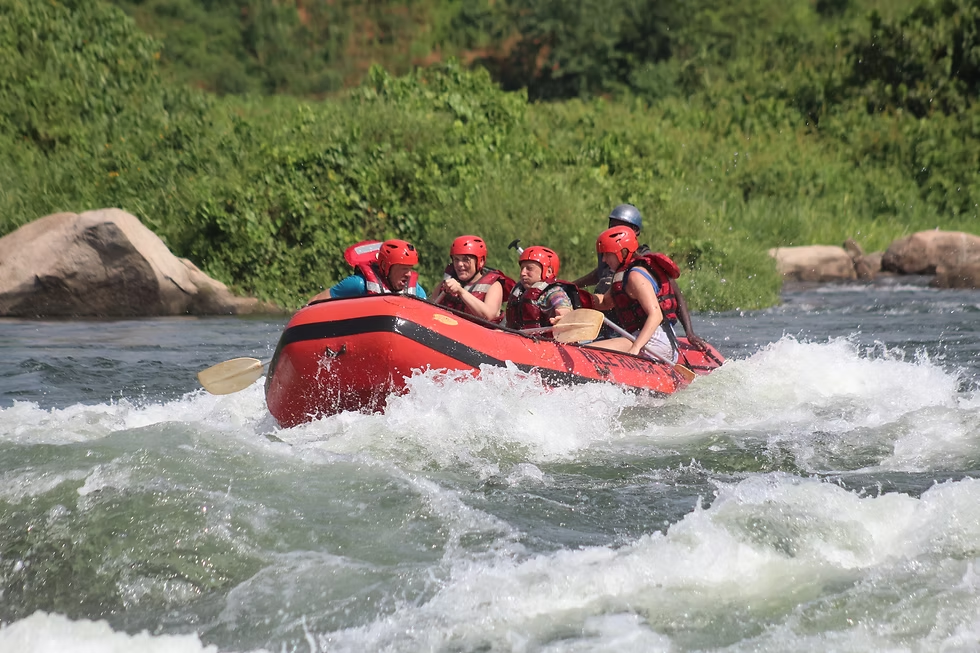
chimpanzee tracking in Kibale Forest, boat cruises along the Kazinga Channel
and the Nile River, birdwatching, cultural encounters, and scenic nature walks.
The country's relatively uncrowded parks provide a more personal safari
experience while supporting conservation and local communities. Whether
planning a short wildlife getaway or an extended adventure, Uganda safari tours
combine exceptional wildlife viewing, rich cultural heritage, and stunning
natural beauty, making Uganda one of Africa's most rewarding safari
destinations.
1. What is a
Uganda safari tour?
A Uganda safari tour is a guided travel experience
that allows visitors to enjoy the country's diverse wildlife, landscapes,
culture, and adventure activities. Uganda is known for its mountain gorillas,
chimpanzees, savannah wildlife, and beautiful lakes and mountains. Most Uganda
safari tours include visits to famous national parks such as Bwindi
Impenetrable National Park, Queen Elizabeth National Park, Murchison Falls
National Park, and Kibale Forest National Park. Travelers can participate in
game drives, boat cruises, nature walks, birdwatching, and gorilla trekking.
Uganda safari tours vary from short three-day trips to extended journeys
lasting several weeks. They can be customized to suit families, solo travelers,
couples, photographers, or groups. The variety of attractions makes Uganda one
of Africa's most rewarding safari destinations for visitors seeking both
wildlife encounters and authentic cultural experiences.
2. Why are
Uganda safari tours popular?
Uganda safari tours are popular because they combine
unique wildlife experiences with stunning scenery and rich cultural encounters.
The country offers one of the world's best opportunities to see endangered
mountain gorillas in their natural habitat, a dream experience for many
travelers. Beyond gorillas, Uganda is home to chimpanzees, tree-climbing lions,
elephants, buffaloes, leopards, and hundreds of bird species. Visitors also
appreciate the relatively uncrowded parks, which provide a more personal and
peaceful safari experience compared to some other destinations. The warm
hospitality of local communities adds value to every journey. Uganda's diverse
ecosystems, ranging from tropical rainforests to open savannahs and crater
lakes, allow travelers to experience different environments within a single
trip. This combination makes Uganda safari tours attractive throughout the
year.
3. What is the
best time for Uganda safari tours?
The best time for Uganda safari tours is during the
dry seasons, which generally occur from June to September and December to
February. During these months, roads are easier to navigate, hiking trails are
less muddy, and wildlife viewing becomes more comfortable. Gorilla trekking and
chimpanzee tracking are particularly enjoyable because forest paths are more
accessible. However, Uganda remains a year-round destination because wildlife
can be seen in all seasons. The rainy months offer lush green landscapes, fewer
visitors, and excellent opportunities for photography. Birdwatchers often
prefer these periods because migratory species are present. Travelers should
understand that weather patterns can vary between regions and years. Choosing
the right time depends on personal interests, whether focused on gorilla
trekking, game viewing, birdwatching, cultural experiences, or photography.
4. What wildlife
can be seen on Uganda safari tours?
Uganda safari tours provide opportunities to see an
impressive range of wildlife across different ecosystems. The country's most
famous attraction is the mountain gorilla, found in Bwindi Impenetrable
National Park and Mgahinga Gorilla National Park. Visitors can also encounter
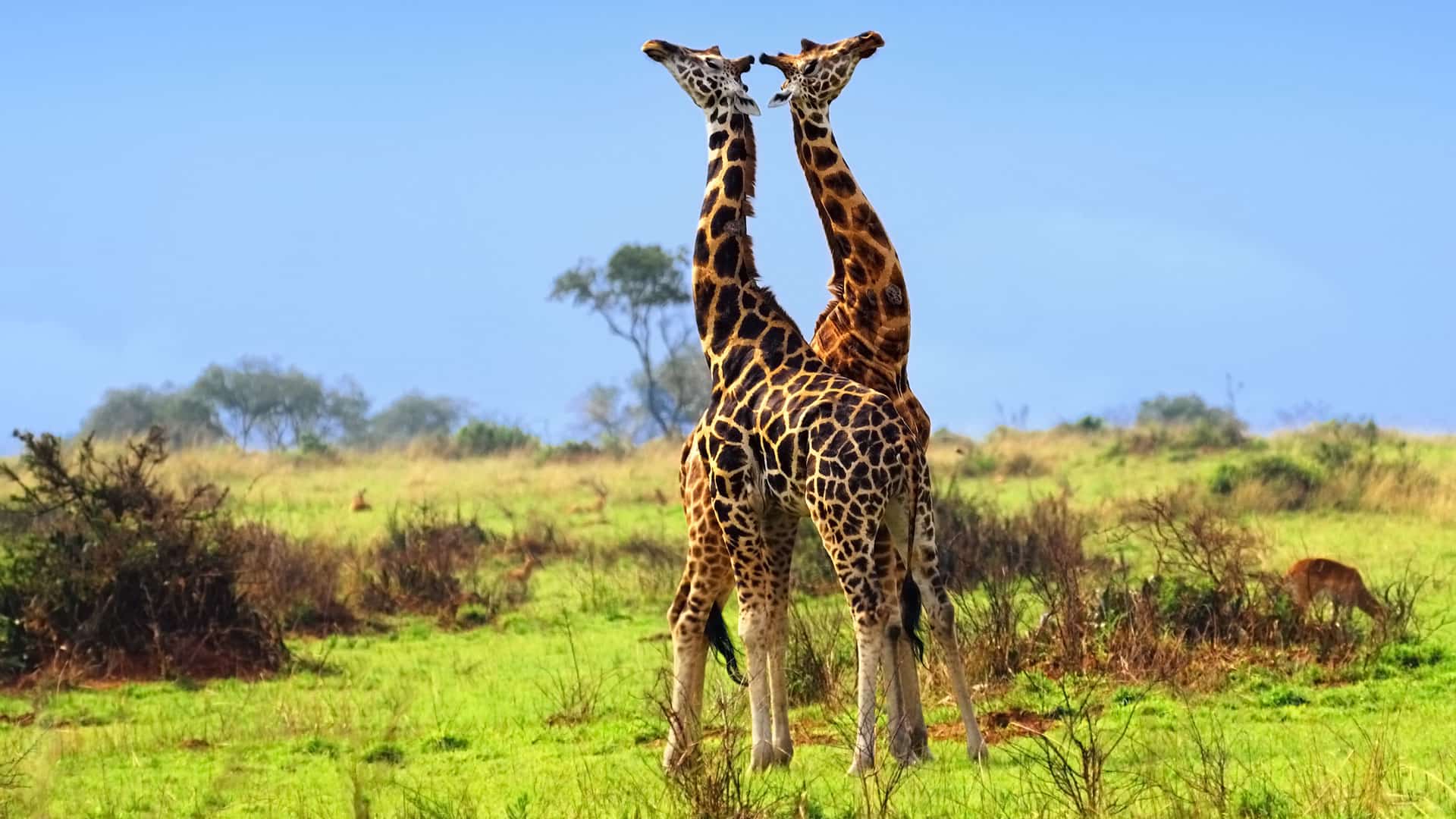
chimpanzees, golden monkeys, elephants, lions, leopards, buffaloes, giraffes,
zebras, hippos, crocodiles, and numerous antelope species. Queen Elizabeth
National Park is especially known for its tree-climbing lions, while Murchison
Falls National Park hosts a rich concentration of savannah animals. Uganda is
also a leading destination for birdwatching, with more than 1,000 bird species
recorded. Each park offers unique wildlife experiences, making every safari
different. The country's varied habitats support diverse ecosystems that allow
visitors to enjoy both forest and savannah wildlife encounters during one
safari journey.
5. What is
gorilla trekking during Uganda safari tours?
Gorilla trekking is one of the most sought-after
activities included in Uganda safari tours. The experience involves hiking
through dense mountain forests under the guidance of trained park rangers to
locate a habituated gorilla family. Once found, visitors spend one hour
observing the gorillas as they feed, play, groom, and interact naturally. The
trek can last from a few hours to most of the day depending on the gorillas'
location. Seeing these endangered primates at close range is often described as
life-changing and unforgettable. The encounter provides valuable insights into
gorilla behavior and conservation efforts. Gorilla trekking permits are
required and should be secured in advance because availability is limited. This
activity contributes significantly to conservation programs and supports local
communities living near protected areas.
6. How difficult
are Uganda safari tours?
The difficulty level of Uganda safari tours depends
on the destinations and activities included in the itinerary. Standard game
drives, boat cruises, and cultural visits require minimal physical effort and
are suitable for most travelers. Gorilla trekking and chimpanzee tracking
involve moderate hiking through forests, sometimes over steep or uneven
terrain. Participants should have reasonable fitness levels, although no
special athletic ability is required. Porters are available to assist during
treks and make the experience more manageable. Travelers can choose itineraries
tailored to their comfort levels, preferences, and physical abilities. Safari
operators often provide detailed information beforehand so visitors can prepare
adequately. Comfortable clothing, proper footwear, hydration, and a positive
attitude contribute greatly to enjoyment. Many people successfully complete
Uganda safari tours regardless of age or travel experience.
7. How long
should Uganda safari tours be?
The ideal duration for Uganda safari tours depends
on the attractions travelers want to experience. Short safaris of three to five
days often focus on gorilla trekking or a single national park. Tours lasting
seven to ten days provide a more comprehensive experience by combining gorilla
trekking, chimpanzee tracking, game drives, and boat cruises. Longer safaris of
ten to fourteen days allow visitors to explore multiple national parks, engage
in cultural activities, and enjoy a relaxed travel pace. Uganda's attractions
are spread across different regions, making additional days beneficial for
reducing travel pressure. Extended itineraries offer more opportunities for
wildlife sightings and varied experiences. Travelers seeking complete immersion
in Uganda's natural and cultural heritage generally benefit from longer
journeys. Choosing the right duration depends on budget, interests, and
available travel time.
8. Are Uganda
safari tours safe?
Uganda safari tours are generally safe when
organized by reputable tour operators and conducted according to established
guidelines. National parks have trained rangers and experienced guides who
accompany visitors during wildlife activities. Gorilla trekking, chimpanzee
tracking, game drives, and boat cruises all follow strict safety procedures
designed to protect both visitors and wildlife. Travelers are encouraged to
follow instructions given by guides at all times. General travel precautions
such as securing valuables, purchasing travel insurance, and using reliable
transportation are also recommended. Uganda is accustomed to welcoming
international visitors and has a well-established tourism industry. Most travelers
enjoy smooth and memorable experiences throughout their journeys. By planning
properly and selecting professional operators, visitors can confidently enjoy
the many attractions offered by Uganda safari tours.
9. What should I
pack for Uganda safari tours?
Packing for Uganda safari tours requires
consideration of changing weather conditions and various outdoor activities.
Essential items include lightweight clothing, long-sleeved shirts, long
trousers, comfortable walking shoes, hiking boots for gorilla trekking, and a
waterproof jacket. Travelers should also carry a hat, sunglasses, sunscreen,
insect repellent, and personal medications. A small backpack is useful for
daily excursions, while a reusable water bottle helps maintain hydration.
Binoculars and a camera are highly recommended for wildlife viewing and
photography. Neutral-colored clothing is preferred during game drives because
it blends well with natural surroundings. For gorilla trekking, gloves and
gaiters can be helpful in forest environments. Proper preparation improves
comfort and allows visitors to fully enjoy the diverse activities available
during Uganda safari tours.
10. How much do
Uganda safari tours cost?
The cost of Uganda safari tours varies depending on
the length of the trip, accommodation standard, transportation method, and
activities included. Budget safaris typically use affordable lodges and shared
transport, while luxury safaris offer premium accommodations and personalized
services. Gorilla trekking permits represent a significant portion of overall
costs. Additional factors include park entrance fees, guide services, meals,
and internal flights where applicable. Travelers can choose packages suited to
different financial plans without sacrificing the quality of the safari
experience. Booking well in advance often helps secure preferred accommodations
and permits. While prices vary widely, many travelers consider Uganda safari
tours excellent value because they combine world-class wildlife experiences,
rich cultural interactions, beautiful scenery, and adventure activities within
a single destination compared to many other safari countries.
11. Which
national parks are included in Uganda safari tours?
Uganda safari tours commonly include several
national parks, each offering distinct attractions and experiences. Bwindi
Impenetrable National Park is famous for mountain gorilla trekking, while
Kibale Forest National Park is renowned for chimpanzee tracking. Queen
Elizabeth National Park attracts visitors with its diverse wildlife,
tree-climbing lions, and scenic Kazinga Channel. Murchison Falls National Park
is known for powerful waterfalls and abundant savannah animals. Lake Mburo
National Park provides opportunities for walking safaris and zebra sightings.
Kidepo Valley National Park offers remote wilderness experiences and dramatic
landscapes. Mgahinga Gorilla National Park is another excellent gorilla
trekking destination and home to golden monkeys. Combining several parks during
one trip creates a balanced safari experience that showcases Uganda's
remarkable biodiversity. Each park contributes unique features to unforgettable
Uganda safari tours.
12. Can families
enjoy Uganda safari tours?
Families can enjoy Uganda safari tours when
itineraries are planned according to the ages and interests of family members.
Many lodges offer family-friendly accommodations and activities designed to
engage both adults and children. Game drives, boat cruises, cultural visits,
nature walks, and birdwatching can be enjoyable for younger travelers. However,
certain activities such as gorilla trekking have minimum age requirements,
usually fifteen years. Families with younger children can participate in
alternative wildlife and cultural experiences while older family members
undertake trekking activities. Professional guides often adapt activities to
suit family needs and ensure comfort. Educational opportunities abound through
wildlife observation and interactions with local communities. With proper
planning and guidance, Uganda safari tours create meaningful family memories
while introducing children to Africa's extraordinary natural heritage and
conservation efforts.
13. What makes
Uganda different from other safari destinations?
Uganda stands out from other safari destinations
because it offers an exceptional combination of primate encounters, savannah
wildlife, dramatic landscapes, and cultural experiences. Few countries allow
visitors to track mountain gorillas, observe chimpanzees, and enjoy traditional
game drives within a single trip. The country's relatively low visitor numbers
create intimate wildlife experiences without large crowds. Uganda's scenery
includes tropical forests, waterfalls, crater lakes, mountains, wetlands, and
open plains, creating varied and visually impressive environments. The
friendliness of local communities also enriches the travel experience. Wildlife
conservation efforts provide visitors with opportunities to support meaningful
environmental initiatives. Uganda safari tours present a balanced mix of
adventure, relaxation, education, and cultural engagement. This diversity
allows travelers to experience multiple aspects of Africa within one rewarding
destination.
14. What is
chimpanzee tracking on Uganda safari tours?
Chimpanzee tracking is a popular activity included
in many Uganda safari tours, particularly in Kibale Forest National Park and
several other forest reserves. The experience involves following trained guides
through natural forest habitats to locate groups of habituated chimpanzees.
Visitors observe them as they socialize, feed, communicate, and move through
the trees. Chimpanzees are highly intelligent and active primates, making every
encounter exciting and unpredictable. Tracking sessions often include
educational information about chimpanzee behavior, ecology, and conservation
challenges. Unlike gorillas, chimpanzees move frequently, requiring visitors to
remain alert throughout the experience. The activity offers valuable
opportunities for photography and learning. For many travelers, chimpanzee tracking
complements gorilla trekking perfectly and enhances the overall variety of
wildlife encounters available during Uganda safari tours.
15. Are cultural
experiences available on Uganda safari tours?
Cultural experiences are an important part of many
Uganda safari tours because they provide deeper understanding of local
traditions, lifestyles, and heritage. Visitors often meet local communities,
participate in traditional dances, learn about handicrafts, and hear stories
about cultural practices passed through generations. Community tourism projects
near national parks allow travelers to support local livelihoods while gaining
authentic insights into daily life. Activities may include visiting traditional
homesteads, schools, markets, and community initiatives focused on conservation
and development. These experiences help travelers appreciate the human side of
Uganda beyond its wildlife attractions. Cultural interactions also contribute
to responsible tourism by creating economic benefits for local residents. Many
travelers find these encounters just as memorable as wildlife activities,
adding meaningful context to their overall safari experience.
16. What
accommodation options are available during Uganda safari tours?
Uganda safari tours offer accommodation options
suitable for a wide range of budgets and preferences. Budget travelers can
choose basic lodges, guesthouses, and camps that provide comfort without high
costs. Mid-range accommodations typically include well-equipped safari lodges
with private rooms, restaurants, and scenic locations. Luxury travelers can
enjoy exclusive safari camps and premium lodges offering exceptional service,
spacious suites, gourmet dining, and stunning views. Many properties are
strategically located near major national parks to maximize convenience and
wildlife viewing opportunities. Some lodges overlook rivers, forests, or
savannahs, allowing visitors to enjoy nature even during relaxation periods.
Regardless of category, most accommodations emphasize hospitality and
environmental responsibility. The variety of lodging choices allows travelers
to customize Uganda safari tours according to their expectations and travel
budgets.
17. Do Uganda
safari tours include birdwatching?
Birdwatching is a major highlight of Uganda safari
tours because the country is one of Africa's leading birding destinations. More
than 1,000 bird species have been recorded across Uganda's forests, wetlands,
lakes, and savannahs. Bird enthusiasts can look for iconic species such as the
shoebill, African fish eagle, great blue turaco, and numerous colorful
kingfishers and sunbirds. National parks, wetlands, and forest reserves provide
diverse bird habitats that attract both resident and migratory species. Guided
birding excursions help visitors identify rare and unique birds while learning
about local ecosystems. Even travelers primarily interested in wildlife often
enjoy birdwatching because remarkable species appear throughout safari
activities. The abundance and diversity of birds make birdwatching an enriching
component of Uganda safari tours for beginners and experienced birders alike.
18. Do I need a
guide for Uganda safari tours?
A guide is highly recommended for Uganda safari
tours because professional expertise significantly enhances the overall
experience. Guides possess extensive knowledge of wildlife behavior,
ecosystems, local history, and cultural traditions. They help visitors locate
animals that might otherwise be difficult to spot and provide valuable
interpretation of what is observed in the field. During gorilla trekking and
chimpanzee tracking, guides and rangers ensure safety while explaining
conservation efforts and animal behavior. Local guides also assist travelers in
understanding regional customs and interacting respectfully with communities.
Their familiarity with routes, park regulations, and logistics contributes to
smooth travel experiences. Whether visiting for a few days or several weeks,
travelers often gain far greater appreciation of Uganda's natural and cultural
heritage through the insights provided by experienced safari guides.
19. Can Uganda
safari tours be combined with other destinations?
Uganda safari tours can easily be combined with
nearby destinations to create broader East African travel experiences. Many
travelers extend their journeys to include Kenya, Tanzania, Rwanda, Zanzibar,
or other regional attractions. Combining destinations allows visitors to
experience different wildlife ecosystems, landscapes, and cultural traditions
within a single vacation. For example, gorilla trekking in Uganda can be paired
with the Great Migration in Tanzania or Kenya, creating a diverse safari
itinerary. Beach holidays along the Indian Ocean also complement wildlife
adventures perfectly. Regional flight connections make multi-country travel
convenient and efficient. Tour operators frequently design customized
itineraries that balance travel times, budgets, and personal interests. These
combinations provide travelers with the opportunity to maximize the value and
variety of their African safari experiences.
20. How can I
book Uganda safari tours?
Booking Uganda safari tours is straightforward when working with a reputable safari company that understands the country well. Travelers should begin by identifying their interests, preferred travel dates, budget, and desired activities. Because gorilla trekking permits are limited, early planning is strongly recommended. A reliable operator can arrange transportation, accommodations, permits, guides, and park activities in one package. Comparing itineraries and reviewing company credentials helps ensure quality service. Customized tours are particularly beneficial because they allow travelers to focus on their specific interests, whether wildlife, photography, culture, birdwatching, or adventure. Clear communication with the operator regarding expectations and special requirements contributes to a smoother experience. Once plans are confirmed, visitors can look forward to enjoying one of Africa's most rewarding and diverse safari destinations.