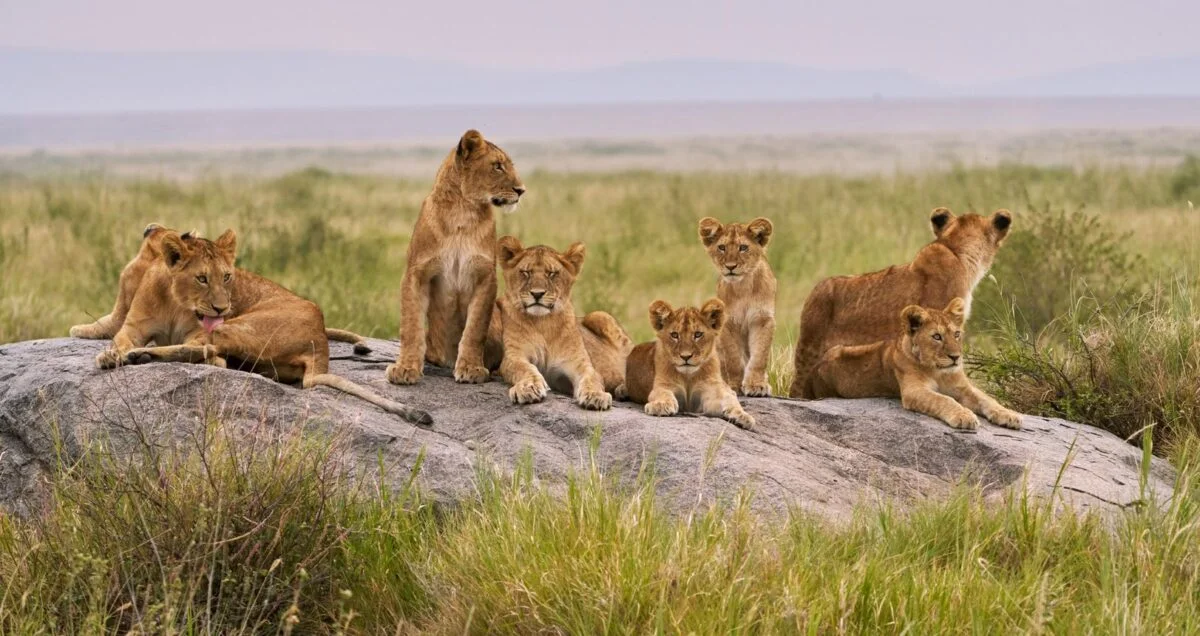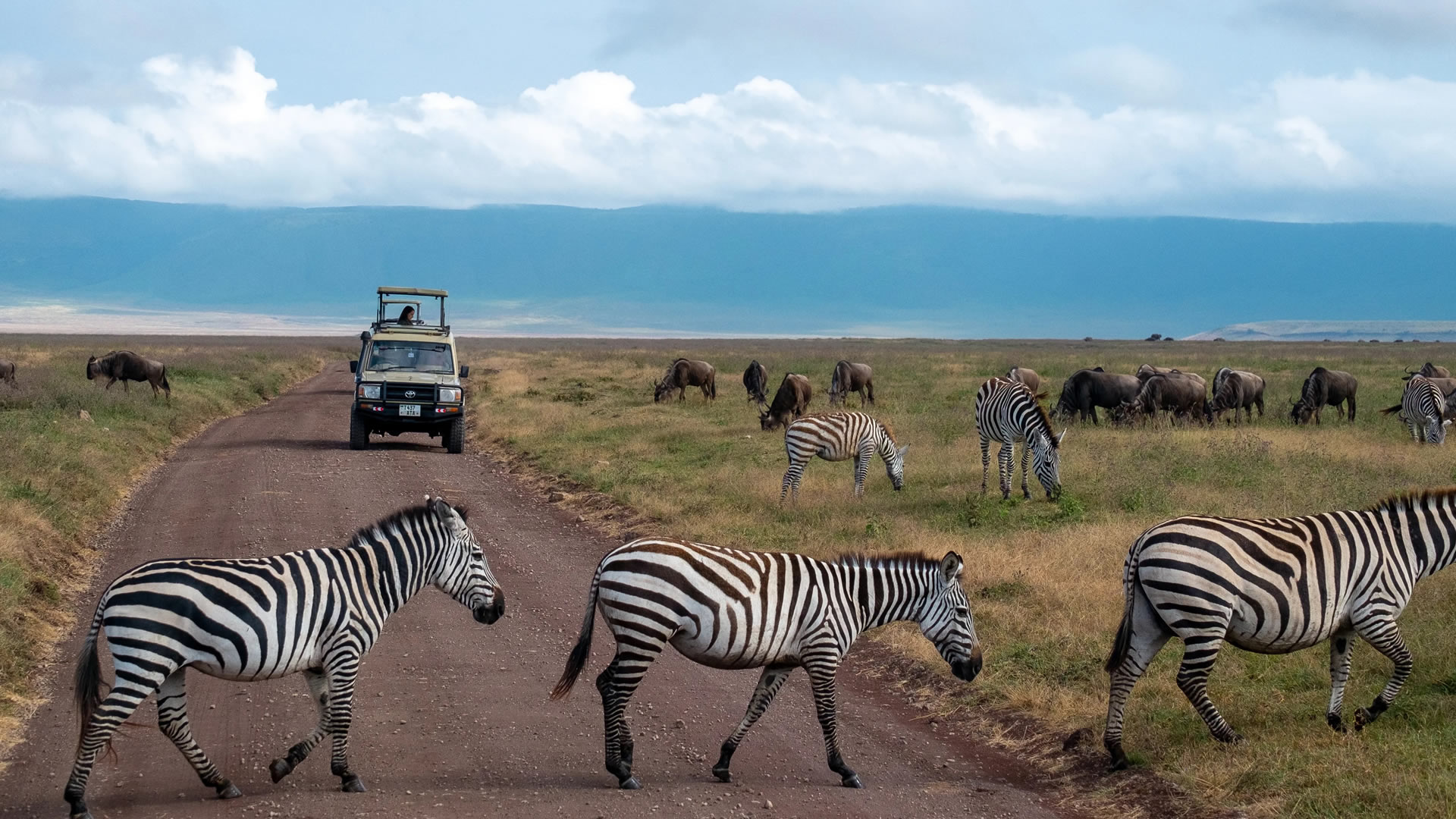

Ngorongoro Crater offers far more
than a standard game drive. Within its 260-square-kilometer caldera, you can
descend to the floor for Big Five sightings, walk the rim with Maasai guides,
visit ancient archaeological sites, and engage with the communities who call
this UNESCO landscape home. Here are ten experiences worth building your
itinerary around.
1.
Descend for a Classic Crater Game Drive
The signature Ngorongoro experience
is the descent from the rim to the crater floor. Vehicles navigate a forested
track down the caldera wall, emerging onto open grasslands where wildlife is
concentrated in remarkable densities . Because off-road driving is prohibited,
your guide must anticipate animal movements along the established tracks. The
reward is close encounters with lions, elephants, buffalo, and the critically
endangered black rhino—one of the best places in Tanzania to see the latter .
Morning drives offer the best light and activity before day-trippers arrive en
masse.
2.
Spot Black Rhino in Their Stronghold
Ngorongoro is widely regarded as
Tanzania's premier destination for black rhino sightings . The crater's natural
enclosure has helped protect this critically endangered species, and while
sightings are never guaranteed, your chances here are better than almost
anywhere else. Rhinos are often found grazing in the open grasslands,
particularly during the cooler morning hours. Guides communicate via radio to
share locations, but patience is essential. A rhino sighting in the crater
carries a special weight, knowing you are witnessing one of Africa's most
vulnerable large mammals in a protected sanctuary.
3.
Witness Flamingos at Lake Magadi
Lake Magadi, the shallow soda lake
at the crater's center, frequently hosts thousands of flamingos, turning the
water's edge into a shifting ribbon of pink . The lake is fed by streams from
the surrounding highlands and attracts other waterbirds as well. Even when
flamingo numbers fluctuate with water levels, the lake itself provides a
striking visual anchor to the crater floor. Hippos are often visible in the
nearby Ngoitokitok Spring and surrounding wetlands, making this corner of the
crater a reliable stop for birders and photographers alike .
4.
Explore the Lerai Forest for Leopards and Elephants
Lerai Forest, a patch of yellow
fever and acacia trees on the crater floor, offers a completely different
habitat from the surrounding grasslands . Large-tusked elephants often browse
here, and the dense canopy provides cover for leopards, which are sometimes
spotted resting in the branches. Baboons are common in the forest edges.
Because the crater's leopard population is less visible than its lions, a
sighting here feels especially fortunate. The forest also provides welcome
shade during the heat of midday and a quieter atmosphere away from the main
game-drive circuits.
5.
Take a Guided Walking Safari on the Rim
Walking safaris are now permitted
in the Ngorongoro Conservation Area, and exploring the crater rim on foot
transforms your understanding of the landscape . Led by an armed ranger and
often accompanied by Maasai guides, these walks focus on the smaller
details—animal tracks, medicinal plants, insect life, and the geology of the
caldera. The pace is unhurried, and the perspective from the rim, looking down into
the vast bowl below, is entirely different from a vehicle window. Bookings
typically require advance notice through your lodge .
6.
Hike the Empakaai Crater
For travelers willing to venture
beyond the main crater, Empakaai offers a rewarding half-day excursion. This
smaller crater, part of the wider conservation area, contains a deep soda lake
often shrouded in mist . The hike down to the lake and back takes several hours
depending on fitness, and an armed ranger is mandatory. The forested cliffs and
emerald water create a serene contrast to the busier Ngorongoro Crater.
Wildlife is present but less concentrated; the appeal here is solitude,
scenery, and the physical experience of walking through a remote volcanic
landscape.
7.
Visit a Maasai Village
The Ngorongoro Conservation Area is
the ancestral home of the Maasai, and cultural visits offer insight into the
people who have coexisted with wildlife here for generations . A visit to a
traditional boma (homestead) typically includes learning about cattle herding,
beadwork, and the Maasai relationship with the land. Choose operators who work
directly with communities and ensure fair compensation . Dress modestly, ask
permission before photographing people, and approach the experience as a
cultural exchange rather than a spectacle. These visits can be arranged as
add-ons to a crater safari day.
8.
Explore Olduvai Gorge and Its Museum
Olduvai Gorge, a steep ravine in
the conservation area, is one of the world's most important
paleoanthropological sites. The gorge's exposed layers have yielded fossils and
stone tools that trace human evolution over millions of years . The on-site
museum displays casts of the famous Laetoli footprints preserved tracks of
early hominins walking upright 3.6 million years ago along with fossils of Homo
habilis and other ancestors . The actual excavation sites are not open to
tourists, but the museum and a guided talk at the gorge edge provide essential
context for understanding humanity's origins.
9.
Book a Private Vehicle for Flexible Game Viewing
Shared game drives follow fixed
schedules, but a private vehicle allows you to tailor your crater experience to
your interests . You can linger at a lion kill, wait patiently for a rhino to
emerge from a thicket, or depart earlier than group vehicles to beat the crowds
at popular sighting spots. Private guides can also combine crater exploration
with stops at Lake Magadi, Lerai Forest, and the rim viewpoints without the
constraints of a group itinerary. This option adds cost but significantly
enhances the quality of your time in the crater, especially for photographers
and serious wildlife watchers.
10.
Combine the Crater with the Serengeti and Beyond
Ngorongoro sits at the junction of
Tanzania's northern safari circuit, making it easy to pair with other
destinations. Many itineraries combine a crater day with several nights in the
Serengeti, taking advantage of the crater's concentrated wildlife before or
after the more dispersed Serengeti experience . The conservation area also
connects to Lake Manyara and Tarangire, and flights from Lake Manyara airstrip
can link to Zanzibar for a beach finish. Building the crater into a broader
itinerary allows you to appreciate its unique enclosed ecosystem in context
with the open plains and riverine landscapes that surround it.