
1. Standard
Gorilla Trekking Permit ($800)
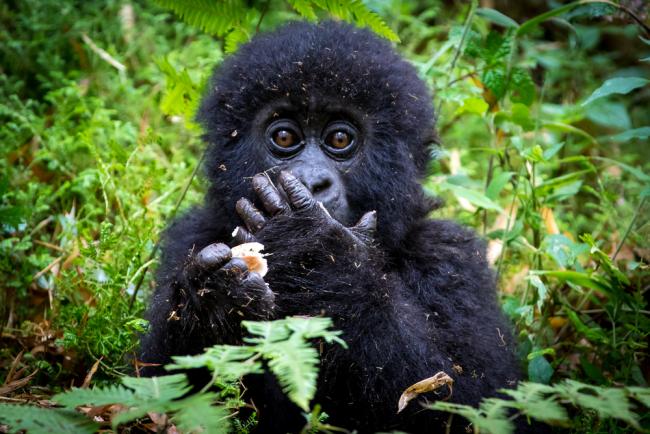
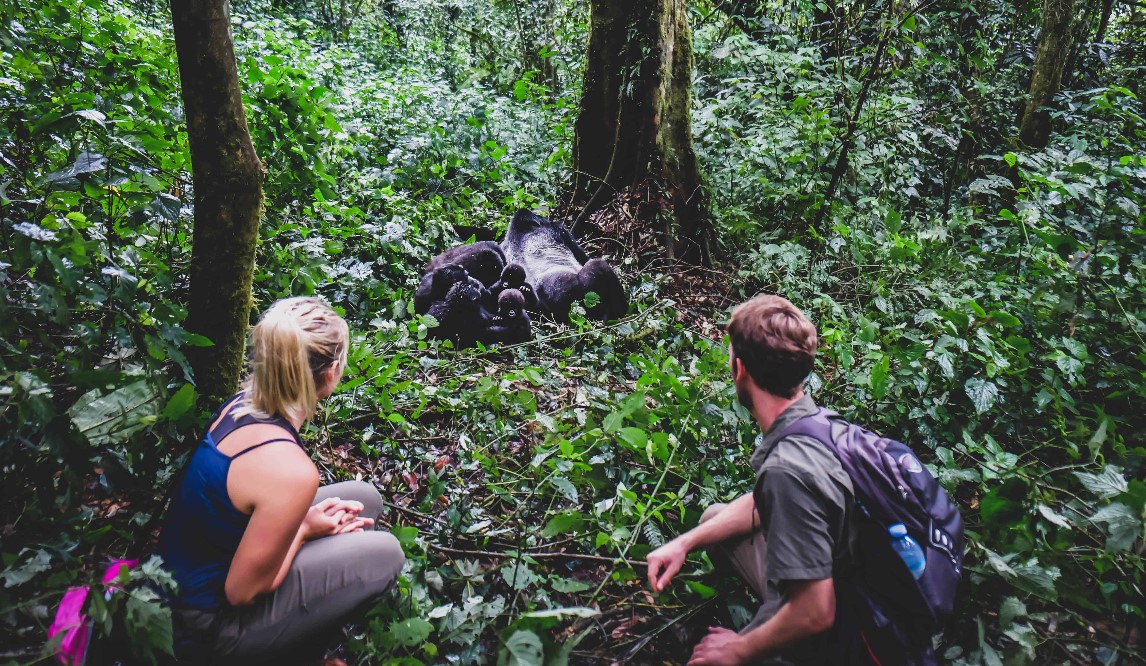
The standard gorilla trekking permit in Uganda
costs $800 per person for foreign non-residents throughout 2026. This
permit gives you one hour with a fully habituated gorilla family in either
Bwindi Impenetrable National Park or Mgahinga Gorilla National Park. The fee covers
park entry, the services of trained rangers and trackers, and all the security
briefings you receive before the trek. Only eight visitors are allowed per
gorilla family each day, which keeps the experience controlled and protects the
animals from stress and disease. You must book this permit well in advance
because availability is limited, especially during the dry seasons from June to
September and December to February. The permit is non-refundable, and once
booked, you cannot change the date without losing your money.
2. Low Season
Discounted Permits ($600)
Uganda offers a discounted gorilla permit price of
**$600** for foreign non-residents during the low tourism months of **April,
May, and November**. This discount is designed to attract visitors when tourist
numbers drop due to the rainy seasons, helping maintain a steady flow of
conservation revenue throughout the year. The trekking experience is exactly
the same as the standard $800 permit, giving you one full hour with the
gorillas. The main difference is that you cannot reschedule these discounted
permits once you book them, so you must be certain of your travel dates before
purchasing. This discount makes gorilla trekking more affordable for
budget-conscious travelers and allows more people to experience the gorillas
without paying the peak-season rate. Many visitors specifically plan their
trips around these three months to take advantage of the lower price.
3. Gorilla
Habituation Experience ($1,500)
Uganda is the only country in the world that offers
a gorilla habituation experience, and it costs $1,500 per person. Instead
of the standard one-hour visit, this permit gives you four hours with
a gorilla family that is still being trained to accept human presence. You
follow researchers and trackers as they go about their daily work, observing
how they slowly build trust with the animals. This experience is available only
in the Rushaga sector of Bwindi and is limited to four visitors per day. The
longer time allows you to see gorillas feeding, playing, resting, and
interacting with each other in a more natural way. This option suits travelers
who want a deeper, more educational experience and have the patience for a
longer session in the forest.
4. What the
Permit Fee Does Not Cover
The permit fee covers only park entry, ranger
services, and the guided trek itself. It does not include accommodation, meals,
transport, international flights, or any other logistical costs. You will need
to pay separately for your lodge, your 4x4 safari vehicle, and your
driver-guide. Most visitors arrange these through a tour operator who packages
everything into one price. You should also budget for hiring a porter at the
trek starting point, which costs about $15 to $20 per day. Porters carry your
daypack and help you on steep or muddy sections, and the money directly
supports local families. Travel insurance, visa fees, tips for guides and
staff, and personal expenses like drinks are also not included in the permit.
5. Accommodation
Costs and Options
Lodge prices near Bwindi and Mgahinga vary widely
based on comfort level and location. Budget bandas and community-run camps
start at around $30 to $80 per night, offering basic beds and shared
facilities. Mid-range lodges cost between $100 and $200 per night and
provide private rooms with en-suite bathrooms and good meals. Luxury lodges
like Gorilla Forest Lodge or Buhoma Lodge charge upwards of $500 per night,
offering high-end service, fine dining, and spa facilities. Your lodging choice
affects your total trip cost significantly, so it helps to plan your budget
early. Many lodges are located near different park sectors, so you should match
your accommodation to the sector where your permit is valid to avoid long
travel times on trekking mornings.
6. Transport and
Vehicle Costs
Getting to the gorilla parks is another major
expense. The road drive from Kampala or Entebbe takes between 8 and 10 hours,
and you need a sturdy 4x4 vehicle to handle the rough roads. Hiring a safari
vehicle with a driver-guide typically costs between $150 and $300 per day,
depending on the vehicle type and whether it includes fuel. Alternatively, you
can take a domestic charter flight from Entebbe to the Kihihi or Kisoro
airstrips near Bwindi, which costs roughly $250 to $350 per person each
way. The flight saves you a full day of driving but adds to your overall
budget. If you choose to fly into Kigali in Rwanda instead of Entebbe, the road
transfer to Bwindi is shorter, around 4 to 5 hours, but you still need to
arrange cross-border transport with a tour operator.
7. Total Trip
Cost Summary
When you combine all the separate costs, a complete
gorilla trekking trip in Uganda typically ranges from about $1,500 to
$4,000 or more per person, depending on your choices. Budget travelers who stay
in basic accommodation, use group transport, and book the $600 low-season
permit might keep costs on the lower end. Mid-range travelers who book a
private vehicle and comfortable lodges should expect to pay $2,500 to $3,500.
Luxury travelers who stay in premium lodges and use charter flights could
easily exceed $4,000. The permit itself makes up a large portion of the total,
so planning around the low season months of April, May, or November can
significantly reduce your overall expense. Always factor in your permit,
accommodation, transport, porter fees, tips, and travel insurance when
budgeting for your trip.