
Location, Area
it Covers, Background
Samburu National Reserve is located in northern
Kenya along the banks of the Ewaso Ng’iro River. It covers about 165 square
kilometers of semi-arid savannah, acacia woodlands, and riverine forests.
Established in 1985, the reserve is named after the Samburu people who live in
the region. Its background reflects a unique ecosystem that supports species
not commonly found in southern parks, making it distinct from other Kenyan
reserves. The river is the lifeline of Samburu, attracting wildlife
year-round. Conservation efforts here focus on protecting rare species and
supporting local communities, ensuring the reserve remains a vital destination
for both biodiversity and cultural heritage.
Top Attractions
to See in Samburu National Reserve
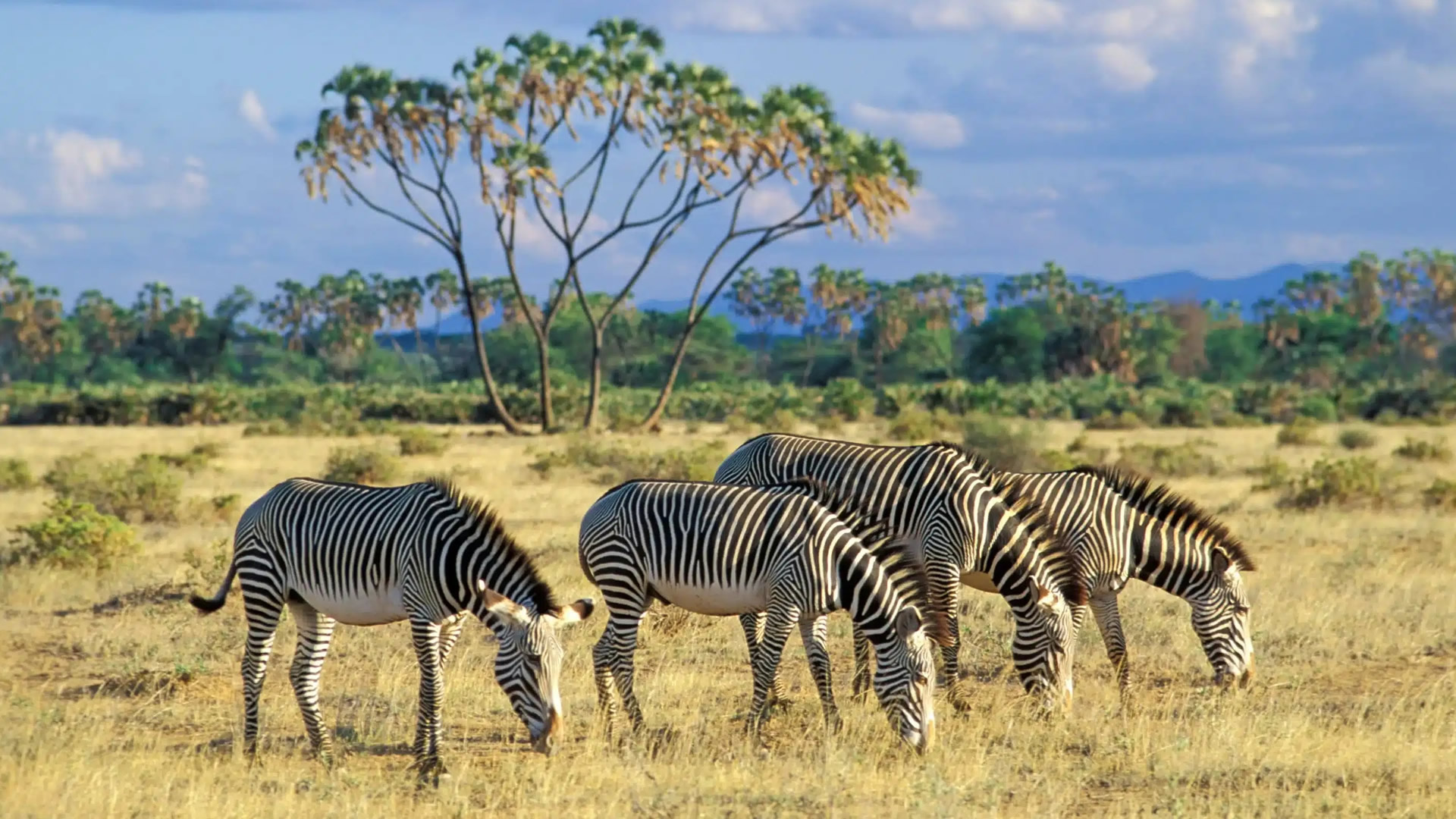
Samburu is known for its “Special Five,” which
include Grevy’s zebra, reticulated giraffe, Somali ostrich, gerenuk, and Beisa
oryx. These species are unique to northern Kenya and are a major draw for
visitors. The Ewaso Ng’iro River is another highlight, home to crocodiles and
hippos, while elephants are often seen along its banks. Lions, leopards, and
cheetahs are also present, offering opportunities for predator sightings.
Birdwatchers enjoy over 450 species, ranging from kingfishers to martial
eagles. Cultural
visits to Samburu villages provide insight into traditional practices and
daily life. Together, these attractions make the reserve a destination that
balances rare wildlife, predator sightings, and cultural experiences.
Best Time to
Visit Samburu National Reserve
The best time to visit Samburu depends on your
interests. The dry seasons from June to October and December to March are ideal
for wildlife viewing, as animals gather around the river and vegetation is less
dense. These months also provide clearer skies and easier road access.
Birdwatchers may prefer November to April, when migratory species arrive. The
wet season brings fewer crowds and lower prices, but roads can be muddy and
wildlife more dispersed. Planning ahead is important, as lodges fill quickly during
peak months. Choosing the right season ensures you maximize your safari
experience, whether your focus is rare species, predators, or birdlife.
How to Get to
Samburu National Reserve
Samburu is accessible by both road and air. From
Nairobi, the drive takes about five to six hours, passing through Nanyuki
and Isiolo before reaching the reserve. The road option is cost-effective
and allows stops along the way. For those with limited time, flights from
Nairobi’s Wilson Airport to Samburu airstrips take about one hour. Charter
flights are also available from other safari destinations. Transfers from
lodges to airstrips are usually included in packages. Choosing between road and
air depends on your budget, schedule, and preference for convenience. Both options
are reliable, but flights save time and reduce fatigue, especially for
travelers with short itineraries.
What Are the
Things to Do in Samburu National Reserve
Activities in Samburu go beyond standard game
drives. Morning and afternoon drives provide opportunities to see elephants,
lions, leopards, and the Special Five. Guided nature walks in nearby
conservancies allow closer observation of plants and smaller animals.
Birdwatching is rewarding, with hundreds of species across different
habitats. Cultural visits to Samburu villages give insight into traditional
practices and daily life. Photography is popular, especially along the river
and open plains. Seasonal activities include camel rides offered by local
communities. These options ensure visitors can tailor their safari to match
personal interests, whether focused on wildlife, landscapes, or cultural
encounters.
Pro Tips for
Visiting Samburu National Reserve
Planning ahead makes your Samburu safari smoother.
Book lodges and tours at least three to six months in advance, especially
during peak season. Carry layered clothing, as mornings can be cool and
afternoons warm. A good camera with zoom lens helps capture rare species and
predator sightings. Pack insect repellent and sunscreen for comfort. Choose a reliable
operator to handle logistics and guides, as local expertise enhances your
experience. Travel insurance is recommended for peace of mind. Staying flexible
with schedules allows you to adjust to wildlife movements and weather changes.
Respect park rules by keeping distance from animals and avoiding off-road
driving. These tips ensure your safari is safe, productive, and enjoyable.
Accommodation
Options in Samburu National Reserve
Samburu offers a range of accommodation options to
suit different budgets. Luxury lodges such as Elephant Bedroom Camp and Saruni
Samburu provide comfort with modern amenities and prime locations near wildlife
hotspots. Mid-range options like Samburu Sopa Lodge offer good value with
comfortable facilities. Budget travelers can choose tented camps or basic
lodges near the reserve gates. Mobile camps are available during certain
seasons, placing guests close to key attractions. Most lodges provide meals,
game drives, and transfers, making packages convenient. Choosing accommodation
depends on your budget, desired comfort level, and proximity to attractions.
Early booking is essential during peak months to secure preferred options.
Booking with
Zoophilist Adventures and Safaris
Booking your Samburu safari with Zoophilist Adventures and Safaris
ensures a well-organized and value-driven experience. They handle all
logistics, including park entry, accommodation, and guided activities, saving
you time and effort. Their professional guides know the best spots for wildlife
viewing, whether it’s elephants along the river or the Special Five in open
plains. Packages can be tailored to your interests, combining game drives with
birdwatching or cultural visits. By booking through Zoophilist, you also
support responsible tourism practices that benefit local communities and
conservation efforts. Early booking is recommended to secure lodges and
permits, especially during peak season. With Zoophilist, you gain reliable
service, expert guidance, and a safari that balances convenience, wildlife, and
cultural experiences.