
Dry Season (June
to August and December to February), Best Overall Conditions
The dry seasons are the best
times for Uganda safari tours. The weather is reliable, and roads stay in
good condition. This makes travel between parks much easier. Wildlife gathers
around water sources, which improves your chances of seeing animals. During
these months, park trails are firm and less slippery. For gorilla tracking in
Bwindi Forest or game drives in Queen Elizabeth Park, the dry ground is a big
advantage. The clear skies also offer great light for photography. You need to
book your permits and lodges well ahead of time because this is the peak
tourist season. The main drawback is the higher cost. Expect to pay premium
prices for accommodation and tours during these months.
Rainy Season
(March to May), Lower Costs and Fewer People
The rainy season, especially March to May, brings
heavy downpours across the country. Many tourists avoid this time, which has
advantages for you. You will find lower prices on accommodation and tours. It
is also easier to secure gorilla
trekking permits. While the trails in the forest become slippery, gorillas
often move to lower elevations. This can make the actual trek shorter because
there is less distance to climb. The heavy rains cause muddy roads, so travel
between parks can be slow and difficult. This is a good option if you are on a
budget and don't mind challenging travel conditions.
Short Rainy
Season (September to November), A Good Compromise
September to November is the second rainy season,
known as the "short rains". The rainfall during this period is
generally lighter than the heavy downpours of March to May. This season acts as
a transitional period. Wildlife viewing remains good, and the park roads are
often still passable. It is also a shoulder season, meaning there are fewer
tourists than in the peak dry months. You will see cheaper rates compared to
the high season but not as low as during the March-May rains. Birdwatchers have
a good time as migratory species start returning to the country. For gorilla
tracking, conditions are acceptable, though you should pack rain gear.
Gorilla
Trekking, Focus on Dry Months for Ease
If seeing mountain
gorillas is your main goal, focus on the dry seasons of June to August and
December to February. The trekking conditions are easier. The trails are less
muddy, which reduces the risk of slipping on steep paths. With less rain, the
forest vegetation is thinner, which makes it easier for you to spot a gorilla
family. The weather is also more comfortable, so you can focus on the
experience. Booking your permit 12 to 18 months in advance is advised, as these
permits sell out quickly. While trekking is possible all year, the rainy months
present more of a physical challenge.
Game Viewing:
Dry Months are Your Best Bet
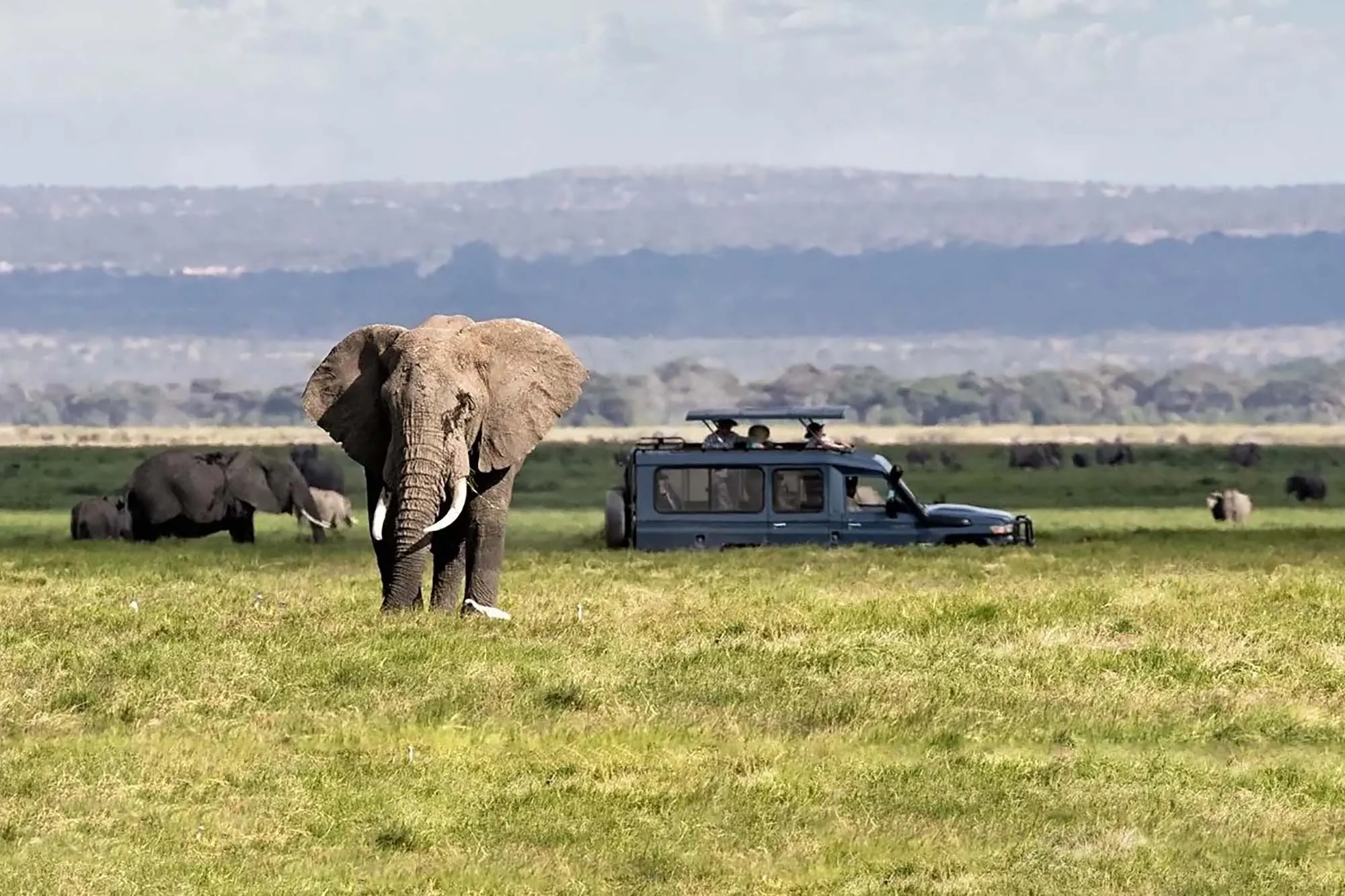
For classic savannah wildlife safaris, the dry
months are the best choice. From June to August and December to February,
animals are easier to find. The limited water sources draw wildlife to rivers
and waterholes. This makes them easier for you to see during game drives. In
national parks like Queen Elizabeth, Murchison Falls, and Kidepo Valley, the
dry ground allows you to go deeper into the parks. Boat safaris on the Kazinga
Channel or the Nile also offer excellent wildlife viewing. The thick vegetation
during the rains can hide animals. For the best chance to see lions, elephants,
and giraffes, you should visit during these drier months.
Birdwatching:
Rainy Seasons Offer More Species
If you are a birder, consider planning your trip
during the rainy seasons. The best birdwatching happens from March to May and
from September to November. These months see a peak in bird activity. Migratory
birds arrive from other parts of Africa and Europe, adding to the resident
species. This makes Uganda's already vibrant birdlife even more diverse. During
the rains, the national parks are quieter, giving you a more peaceful
birdwatching experience. You can spot species like the shoebill stork in
wetlands. While you will deal with some rain, the reward is seeing hundreds of
bird species in their breeding plumage.
Specific
Activities: Month-by-Month Considerations
Your travel dates should also depend on specific
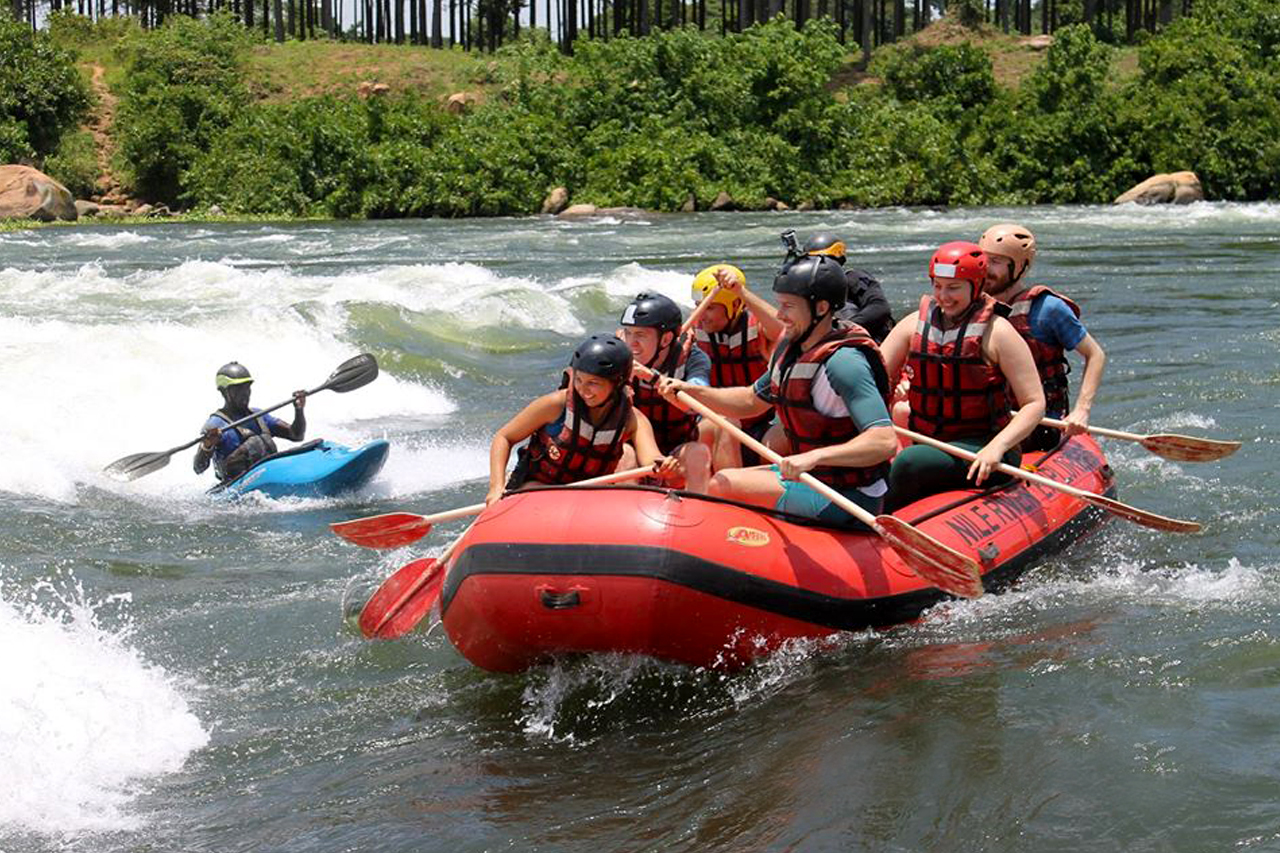
activities. If you want to go white-water rafting in Jinja, the dry seasons
offer more predictable water levels. For the highest and most dramatic flow at
Murchison Falls, you should visit around April when the water volume is at its
peak. The period from June to August offers stable weather for hiking the Rwenzori
Mountains. If you want to see tree-climbing lions in the Ishasha
sector, they are easier to spot from June to August during the dry season.
For cultural events, consider visiting for the Uganda Martyrs Day celebrations
on 3rd June, or Independence Day in October
How to get there
for Uganda safari tour
Getting to Uganda for a safari is straightforward.
Most visitors fly into Entebbe International Airport (EBB), which is the main
entry point near the capital, Kampala. Several international airlines like
Emirates, Ethiopian Airlines, KLM, and Turkish Airlines have regular flights
from major cities in Europe, the Middle East, and other parts of Africa. You
can also fly into Kigali International Airport in Rwanda and then drive across
the border to Bwindi Impenetrable National Park, which is often faster if you
are going straight for gorilla trekking in the south. Once you land in Entebbe,
your tour operator will meet you at the airport and handle your road transfers
to the national parks. For long distances between parks, you also have the
option of taking domestic charter flights on small planes to save travel time,
though these are more expensive than road travel. Visas are required for most
nationalities, and you can apply for an East Africa Tourist Visa online before
you travel, which lets you move between Uganda, Rwanda, and Kenya.
How to book your
Uganda safari experience
To book your Uganda safari, your best move is to
work directly with a licensed local tour operator, as they handle all the
complex logistics on your behalf and have direct access to the Uganda Wildlife
Authority for securing permits. Start by researching and contacting a few
operators registered with the Uganda Tourism Board (UTB). After you discuss
your interests, travel dates, and budget, the operator will design a draft
itinerary for you. Once you are happy with the plan, you will need to pay a
non-refundable deposit, which is often 25-30% of the total cost, to confirm
your booking. A key part of this process is securing your gorilla trekking
permits (currently priced at $800 per person), which your operator will
purchase immediately with your full name and passport details, as they are
limited and often sell out months in advance. The remaining balance is then
typically due about 30 to 60 days before your trip starts. After finalizing the
itinerary, your permits, accommodations, and transfers are all confirmed, and
your operator will provide a final confirmation. Finally, you can complete your
travel preparations by applying for your visa, arranging travel insurance, and
ensuring you have your yellow fever vaccination before you depart
Booking Uganda safari
with Zoophilist adventures and safaris
Booking a Uganda safari with Zoophilist Adventures and Safaris
guarantees a seamless and memorable experience. As a licensed operator, we
handle all logistics, from securing gorilla trekking permits to arranging accommodations
and transfers. Our itineraries are tailored to your interests, whether gorilla
trekking in Bwindi, game drives in Queen Elizabeth, or cultural encounters with
local communities. With expert guides, you enjoy safe, insightful journeys
across Uganda’s diverse landscapes. Zoophilist ensures value by combining
authentic experiences with professional service. By booking early, especially
during peak dry seasons, you secure permits and lodges, making your safari both
stress-free and unforgettable