
Rising dramatically along the border of western
Uganda and the Democratic Republic of Congo, the Rwenzori Mountains are among
Africa’s most spectacular mountain landscapes. Often called the “Mountains of
the Moon,” the Rwenzori range is famous for its rugged peaks, glaciers,
waterfalls, valleys, and unique vegetation. Unlike a typical wildlife safari, a
journey into the Rwenzori Mountains offers an opportunity to explore a world of
misty forests, alpine landscapes, giant lobelias, and challenging mountain trails.
The park is home to some of Africa’s highest peaks, including Mount Stanley,
Mount Speke and Mount Baker, making it a popular destination for hikers,
mountaineers, nature lovers, and adventure travelers. Whether you are planning
a challenging summit expedition or a shorter nature experience, Rwenzori
Mountains National Park provides a completely different side of Uganda.
Climb the
Rwenzori Mountains
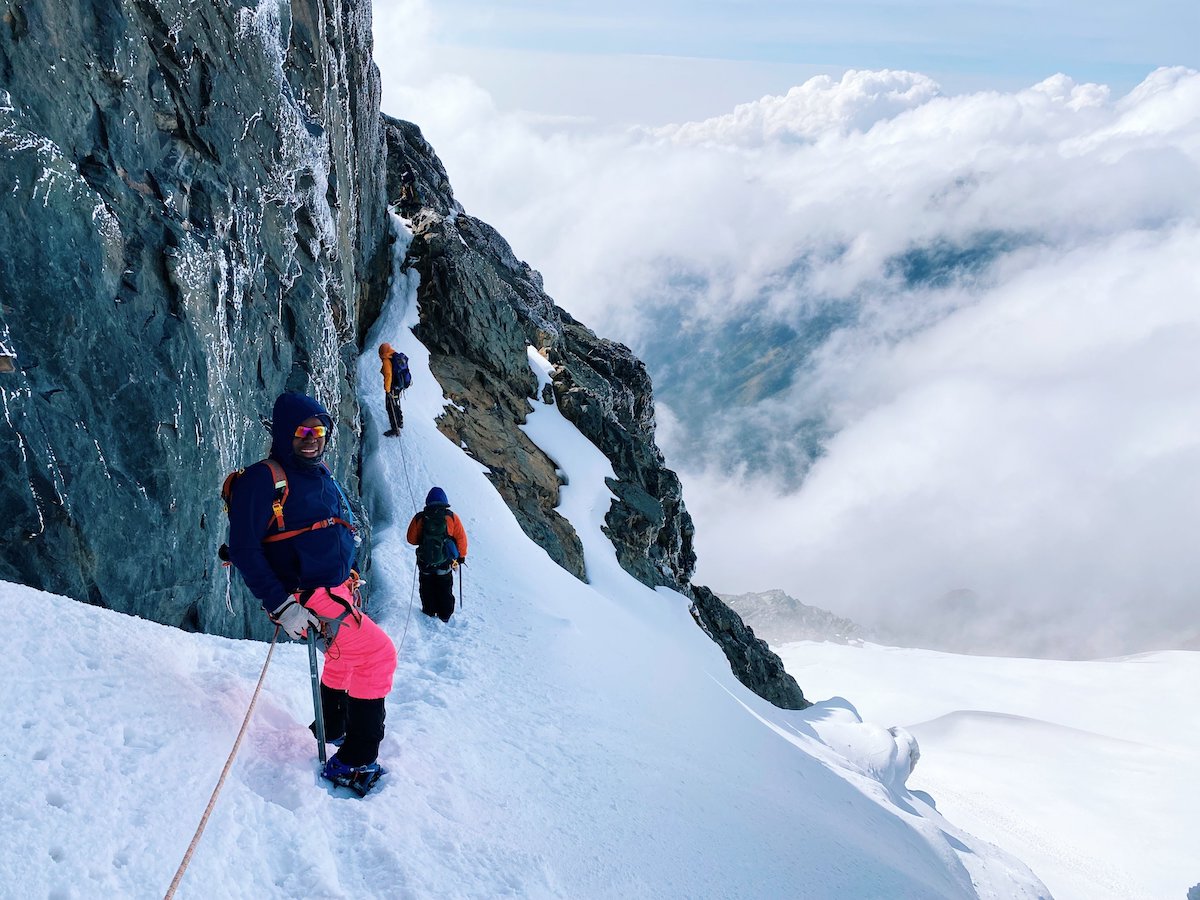
For adventurous travelers, climbing the Rwenzori
Mountains is the main attraction. The range contains several peaks, with Margherita
Peak on Mount Stanley reaching 5,109 meters, making it the third-highest
mountain peak in Africa. The climb takes you through different vegetation
zones, from cultivated foothills and montane forests to bamboo forests, giant heathers,
and the distinctive Afro-alpine zone.
Reaching the higher elevations requires physical
preparation because the terrain can be steep, muddy, cold and challenging.
However, the changing scenery makes the journey rewarding. Trekkers encounter
dramatic valleys, rocky slopes, glaciers, waterfalls, and unusual high-altitude
plants that are rarely seen elsewhere.
Hike through the
Rwenzori Trails
You do not have to climb to the highest summit to
experience the beauty of the Rwenzori Mountains. Several hiking routes allow
visitors to explore the lower sections of the mountain and enjoy the scenery
without undertaking a demanding summit expedition. The trails pass through
forests, rivers, valleys and mountain vegetation while offering opportunities
to observe birds, primates, and other wildlife. Shorter hikes are suitable for
travelers who want to experience the mountain environment while spending less
time at high altitude.
Discover the
Unique Afro-Alpine Vegetation
One of the most fascinating features of the Rwenzori
Mountains is its unusual vegetation. As you gain altitude, the landscape
changes dramatically, creating distinct vegetation zones. Giant lobelias, giant
groundsels, heather, mosses characterize higher sections, and other plants
adapted to the cold mountain environment. The giant lobelias and groundsels
give the high-altitude landscape a strange, almost otherworldly appearance.
This unique vegetation is one of the reasons the Rwenzori Mountains are so
appealing to photographers, botanists and nature enthusiasts.
Explore the
Valleys and Glacial Landscapes
The Rwenzori Mountains are famous for their
beautiful valleys and dramatic alpine scenery. Valleys such as the Bujuku
Valley provide some of the most impressive views during mountain expeditions, surrounded
by towering peaks and distinctive vegetation. Higher on Mount Stanley, trekkers
can encounter the remaining glaciers and snow-covered landscapes. Although the
glaciers have reduced significantly over the years, they remain an important
feature of the mountain and contribute to the unique character of the Rwenzori
landscape.
Enjoy Bird
Watching in the Rwenzori Forests
The lower slopes of the Rwenzori Mountains provide
excellent opportunities for bird watching. The park's forests support a variety
of bird species, including several Albertine Rift species. Trekkers may also
encounter primates and other forest wildlife along the trails. Bird watching is
particularly enjoyable when combined with hiking because the forest environment
provides opportunities to listen for birdcalls and observe species moving
through the vegetation. Carrying binoculars can make the experience more
rewarding.
Experience the
Local Communities
A visit to the Rwenzori Mountains can also provide
an opportunity to interact with communities living around the park. The
foothills are home to communities with rich cultural traditions, farming
practices, crafts, food, and stories connected to the mountain. Community
experiences can be included before or after a mountain hike, allowing visitors
to learn more about the people and cultures that surround this spectacular
landscape. Supporting local guides, accommodation providers, and community
activities also contributes to tourism benefits reaching people living near the
park.
Best Time to
Visit Rwenzori Mountains National Park
The Rwenzori Mountains can be visited throughout the
year, but the drier periods are generally more suitable for trekking. June to
August and December to February are commonly considered favorable periods
because trails tend to be less wet and slippery. However, mountain weather can
change quickly, and rainfall can occur even during the drier months. Trekkers
should therefore be prepared for wet and cold conditions regardless of the
season. The wetter months can make trails more challenging, but they also bring
lush vegetation, flowing streams and beautiful green landscapes.
How to Get to
Rwenzori Mountains National Park
Rwenzori Mountains National Park is located in
western Uganda, near the town of Kasese. From Kampala, travelers can reach
Kasese by road, with the journey taking several hours depending on the route
and road conditions. The park can also be accessed from other western
destinations, making it easy to combine a Rwenzori adventure with visits to
nearby attractions.
For travelers arriving by air, flights to Kasese
airfield can reduce travel time, depending on flight schedules and
availability. Most mountain expeditions begin from trailheads around the park,
where visitors meet their guides and porters before beginning the trek.
What to Pack for
a Rwenzori Trek
Proper preparation is important when visiting the
Rwenzori Mountains. Essential items include sturdy hiking boots, waterproof
clothing, warm layers, gloves, a hat, comfortable trekking clothes, a sleeping
bag, a headlamp, water bottles, sunscreen, insect repellent, personal
toiletries, and a first-aid kit. Because weather conditions can change rapidly,
waterproof bags or covers are useful for protecting clothes, cameras and other
equipment. The specific equipment required will depend on the length and
difficulty of your chosen route.
Where to Stay
Accommodation options are available around the
Rwenzori region, particularly in and around Kasese and nearby communities.
Travelers preparing for longer mountain expeditions generally spend time at
accommodation outside the park before and after their trek, while overnight
stays during the climb are usually made in designated mountain huts or camps
depending on the route and trekking operator. Choosing accommodation close to
your trailhead can make it easier to prepare for an early morning start and
meet your guides and porters.
Why Visit the
Rwenzori Mountains?
The Rwenzori Mountains offer an experience that goes
far beyond ordinary sightseeing. From mist-covered forests and giant vegetation
to rugged peaks, valleys, waterfalls, and alpine landscapes, every section of
the mountain presents something different. For travelers looking for an active
adventure, the Rwenzori Mountains provide challenging trails and high-altitude
climbs. For nature lovers, the forests and unique vegetation create a
fascinating environment to explore. In addition, for anyone interested in
discovering a less conventional side of Uganda, the Mountains of the Moon
provide an impressive destination where nature, adventure and culture come
together.