
Yes, Rwanda is considered one of the safest safari
destinations in Africa, making it a popular choice for travelers seeking
wildlife, primate trekking, cultural experiences, and scenic landscapes. The
country has invested heavily in tourism infrastructure, conservation, visitor
security, and environmental management, creating a well-organized and welcoming
travel environment. National parks such as Volcanoes National Park, Akagera
National Park, and Nyungwe Forest National Park operate under strict safety
regulations and are supported by professional guides and trained rangers.
Kigali further enhances the visitor experience with its cleanliness, safety,
and modern amenities. While travelers should follow standard travel precautions
and stay informed about official travel advice, most visitors enjoy smooth and
trouble-free journeys. From gorilla trekking and Big Five safaris to cultural
tours and birdwatching, Rwanda offers safe, memorable, and rewarding safari
experiences.
1. Rwanda Is
Considered One of Africa's Safest Safari Destinations
Rwanda has built a strong reputation as one of the
safest countries for tourism in Africa. The government places significant
emphasis on security, infrastructure, environmental management, and visitor
experience. Travelers visiting Rwanda for wildlife safaris, gorilla trekking,
birdwatching, and cultural tours generally enjoy a safe and well-organized
environment. Tourism plays an important role in the country's economy,
encouraging continued investment in conservation and visitor safety. Roads
connecting major attractions are generally well maintained, and tourist areas
are carefully managed. Most visitors travel throughout the country without
encountering security issues. Rwanda's welcoming communities and professional
tourism sector also contribute to a comfortable travel experience. For safari
travelers seeking a destination that combines wildlife adventures with
stability, Rwanda remains a highly attractive choice.
2. Safety in
National Parks and Protected Areas
Rwanda's national parks are among the safest
wildlife destinations on the continent. Volcanoes National Park, Akagera
National Park, and Nyungwe Forest National Park are monitored by trained
rangers and conservation teams who work closely with tourism authorities.
Guided activities such as gorilla trekking, chimpanzee tracking, and game
drives follow strict safety procedures. Visitors receive detailed briefings
before participating in wildlife activities and are accompanied by experienced
guides throughout their excursions. Rangers continuously monitor wildlife
movements and visitor routes to ensure safe interactions with animals. The
organized nature of Rwanda's tourism industry provides additional reassurance
to visitors. Most safari activities operate according to international
conservation and safety standards, allowing travelers to focus on enjoying
their experiences in a secure environment.
3. Gorilla
Trekking Safety Measures
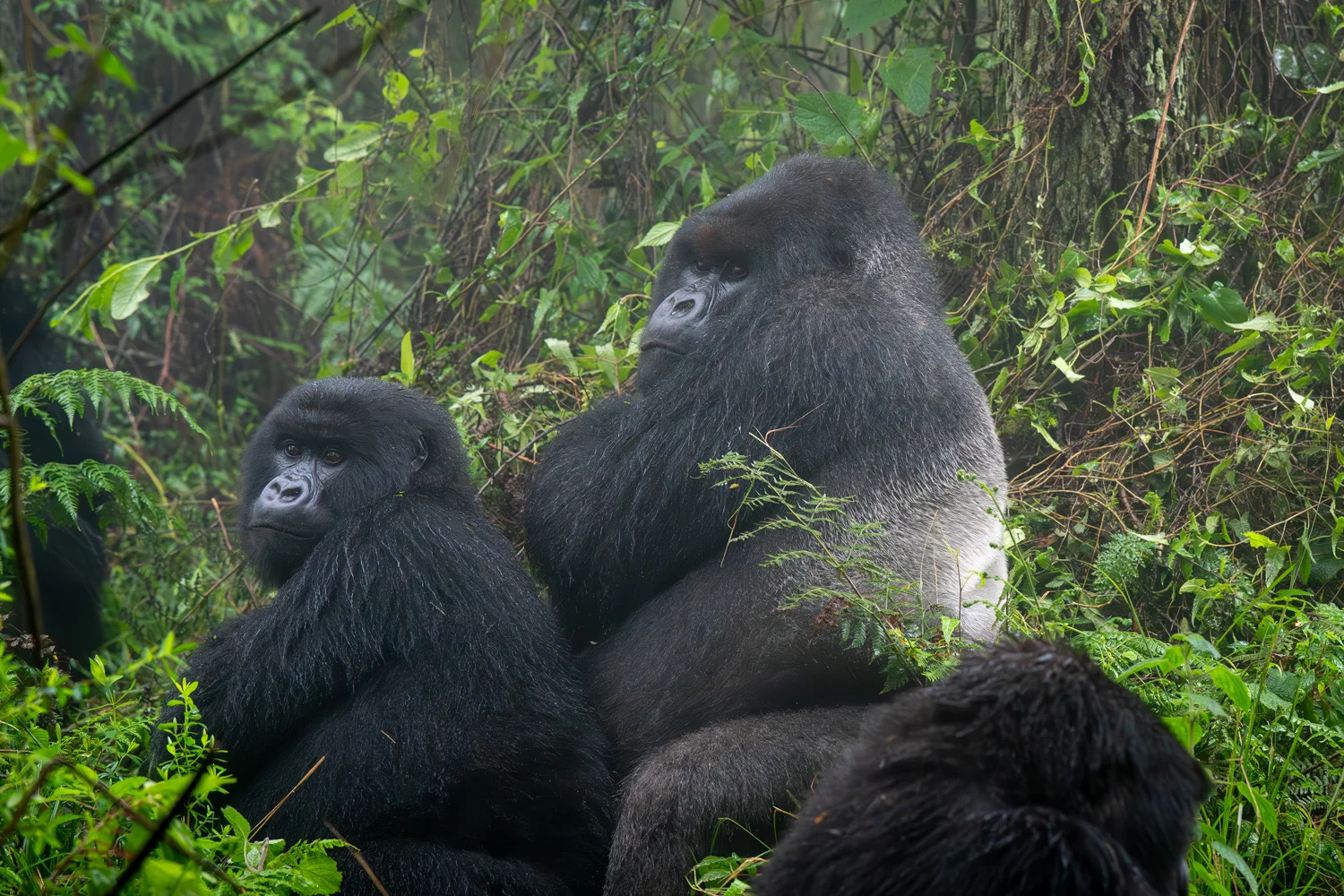
Mountain gorilla trekking is Rwanda's most popular
tourism activity and is carefully regulated to protect both visitors and
wildlife. Before entering the forest, guests receive comprehensive instructions
regarding appropriate behavior around gorillas. Professional guides and armed
park rangers accompany every trekking group, helping to ensure safety
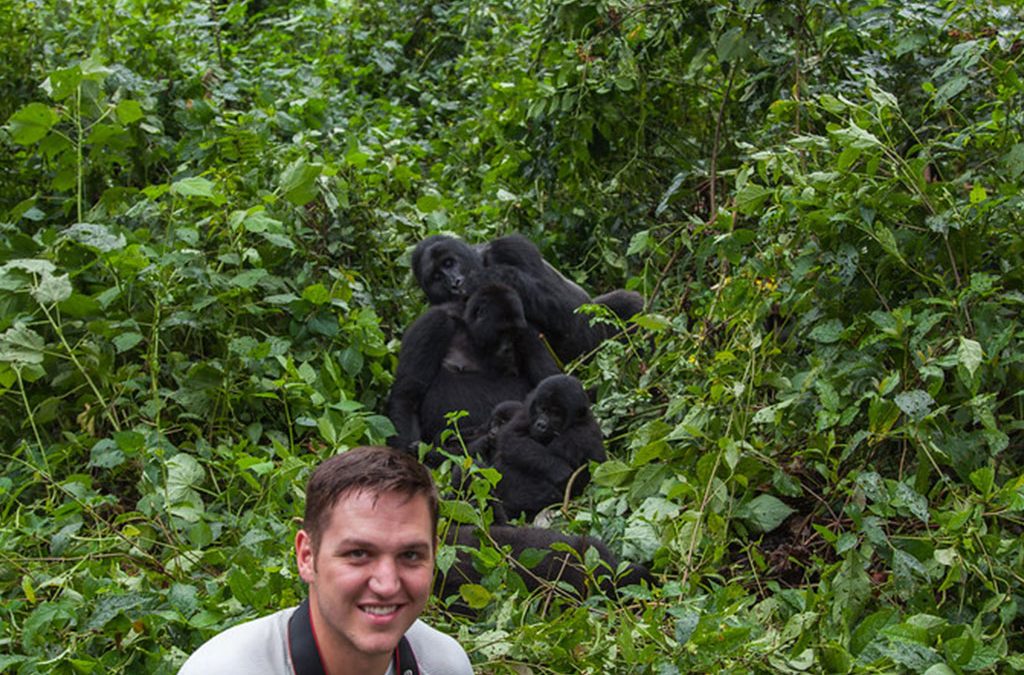
throughout the experience. Visitors are required to maintain a safe distance
from gorillas while observing them in their natural habitat. Group sizes are
limited to reduce stress on the animals and provide a better experience for
guests. Rangers remain alert throughout the trek and are highly experienced in
managing interactions between people and gorillas. These measures have helped
make gorilla trekking one of the safest wildlife encounters available anywhere
in Africa.
4. Safety in
Kigali for International Visitors
Kigali is widely recognized for its cleanliness,
orderliness, and welcoming atmosphere. The city offers visitors a comfortable
introduction to Rwanda and serves as the starting point for most safaris.
Tourists can move around major parts of Kigali with confidence while following
normal travel precautions. Restaurants, hotels, shopping centers, museums, and
cultural attractions maintain high standards of security and service. Public
spaces are generally well maintained, and visitors frequently comment on the
city's organized appearance. While petty crime can occur in urban areas, serious
incidents affecting tourists are relatively uncommon. Travelers who remain
aware of their surroundings, safeguard their valuables, and use reputable
transportation providers typically enjoy a trouble-free experience while
exploring Rwanda's vibrant capital city.
5. Professional
Safari Guides and Tour Operators
One reason Rwanda remains safe for tourists is the
high standard of professional guiding and tour operations. Licensed guides
undergo extensive training in wildlife behavior, first aid, conservation principles,
and visitor management. Tour operators carefully plan itineraries and maintain
communication with park authorities throughout safari activities. Guides help
visitors navigate unfamiliar environments while providing valuable information
about wildlife and local culture. Their expertise significantly reduces
potential risks during treks, forest walks, and game drives. Reputable safari
companies also maintain well-serviced vehicles and experienced driver-guides
familiar with local conditions. Choosing an established tour operator helps
enhance both safety and overall travel enjoyment. Professional guidance remains
one of Rwanda's greatest advantages as a safari destination.
6. Health and
Travel Precautions
Like any international destination, Rwanda requires
travelers to take sensible health precautions before departure. Visitors should
consult medical professionals regarding recommended vaccinations and preventive
measures. Drinking bottled or treated water, maintaining good hygiene
practices, and carrying basic medications contribute to a comfortable and
healthy trip. Travelers participating in gorilla trekking should be prepared
for physically demanding hikes that may involve steep and muddy terrain.
Comprehensive travel insurance is also recommended for added peace of mind.
Rwanda has invested significantly in its healthcare infrastructure and
emergency response capabilities. By taking standard travel health precautions
and following guidance provided by tour operators, most visitors experience safe
and enjoyable safari holidays throughout the country.
7. Respectful
Communities and Cultural Safety
Rwandans are known for their hospitality,
politeness, and respect toward visitors. Travelers often feel welcomed in both
urban areas and rural communities. Cultural tourism activities provide
opportunities to interact with local residents, learn traditional customs, and
participate in authentic experiences. Respecting local traditions and community
guidelines helps create positive interactions throughout a visit. Tourism has
contributed to community development across many regions of Rwanda,
strengthening local support for conservation and visitor activities. Most
tourists report positive encounters with residents and appreciate the country's
peaceful atmosphere. The friendly nature of local people adds another layer of
comfort for travelers exploring Rwanda's cities, villages, and national parks
while gaining a deeper understanding of the country's culture.
8. Wildlife
Safety During Safari Activities
Safari safety in Rwanda is supported by
well-established wildlife management programs and experienced park staff.
Visitors are always accompanied during potentially sensitive activities such as
gorilla trekking, chimpanzee tracking, and guided walking safaris. Rangers
provide clear instructions regarding animal behavior and visitor conduct before
each activity begins. Following these guidelines helps ensure safe encounters
with wildlife. Vehicles used for game drives maintain a comfortable viewing
distance from animals, minimizing disturbance while maximizing observation
opportunities. Wildlife in Rwanda's protected areas is accustomed to carefully
managed tourism activities, reducing unnecessary risks. Guests who listen to
their guides and follow park regulations generally enjoy safe wildlife
encounters while experiencing some of Africa's most iconic species.
9. Border Areas
and Travel Awareness
Although Rwanda is generally safe, travelers should
remain informed about regional developments and follow official travel advice
before departure. Some international advisories recommend avoiding areas close
to the border with the Democratic Republic of Congo due to potential security
concerns. However, major tourism destinations such as Kigali, Akagera National
Park, Nyungwe Forest National Park, and Volcanoes National Park continue to
welcome visitors and operate established tourism programs. Notably, Volcanoes
National Park is not included in the area of increased risk identified by the
U.S. travel advisory. Staying updated on official guidance and traveling with
reputable tour operators helps visitors make informed decisions throughout
their journey.
10. Is Rwanda
Safe for Safari Travelers and Tourists?
The simple answer is yes. Rwanda is widely regarded
as one of Africa's safest and most organized safari destinations, offering
visitors a secure environment for wildlife viewing, gorilla trekking, cultural
tours, and city exploration. Strong conservation management, professional
tourism services, reliable infrastructure, and welcoming communities contribute
to a positive travel experience. While travelers should follow normal
precautions and stay informed about official travel guidance, most visits to
Rwanda are smooth and trouble-free. The country's commitment to safety,
sustainability, and high-quality tourism has made it a preferred destination
for international travelers. Whether exploring the forests of Volcanoes
National Park, the savannahs of Akagera, the rainforests of Nyungwe, or the
streets of Kigali, visitors can travel with confidence and peace of mind.