
Gorilla trekking in Rwanda is one of the most
extraordinary wildlife experiences in Africa, offering visitors the opportunity
to observe endangered mountain gorillas in their natural habitat within Volcanoes
National Park. Guided by experienced rangers and trackers, travelers hike
through lush forests and volcanic landscapes to locate habituated gorilla
families before spending a memorable hour watching them interact. The
experience combines adventure, conservation, wildlife education, and
breathtaking scenery, making it the highlight of many Rwanda safaris. Beyond
the excitement of encountering gorillas, trekking directly supports
conservation initiatives and local communities that help protect these
endangered primates. With year-round availability, well-managed tourism
programs, and easy access from Kigali, gorilla trekking has become Rwanda's
most famous attraction and one of the world's most sought-after wildlife
adventures.
1. Understanding
Gorilla Trekking in Rwanda
Gorilla trekking in Rwanda is one of Africa's most
remarkable wildlife experiences. It involves hiking through the forests of Volcanoes
National Park to find and observe endangered mountain gorillas in their
natural habitat. Guided by trained rangers and trackers, visitors follow trails
through bamboo forests, dense vegetation, and volcanic slopes in search of
habituated gorilla families. Once the gorillas are located, visitors are
allowed to spend one hour observing their behavior and social interactions.
This activity offers a rare chance to get close to one of humanity's closest
relatives in the wild. Gorilla trekking attracts travelers from around the
world because it combines adventure, conservation, and wildlife viewing into
one unforgettable experience. For many visitors, it becomes the highlight of
their Rwanda safari and their entire African journey.
2. Where Gorilla
Trekking Takes Place
Gorilla trekking in Rwanda takes place exclusively
in Volcanoes
National Park, located in the northwestern part of the country near the
borders of Uganda and the Democratic Republic of Congo. The park forms part of
the larger Virunga Conservation Area, which protects one of the world's last
remaining mountain gorilla populations. Volcanoes National Park is known for
its dramatic scenery, featuring volcanic peaks, bamboo forests, and lush
montane vegetation. Several habituated gorilla families live within the park
and are carefully monitored by conservation authorities. Every day, visitors
are assigned to specific groups based on their fitness level and trekking
preferences. The park's accessibility from Kigali makes it one of the easiest
gorilla trekking destinations to reach, adding to Rwanda's growing popularity
among wildlife enthusiasts.
3. How the
Trekking Experience Begins
A typical gorilla trekking adventure starts early in
the morning with a briefing at the park headquarters in Kinigi. During the
briefing, park officials explain trekking regulations, safety procedures, and
conservation guidelines. Visitors are then divided into groups and assigned a
particular gorilla family to visit. Experienced guides and armed rangers
accompany each group into the forest. The actual trek can vary significantly
depending on the location of the gorillas. Some groups may be found after a
relatively short walk, while others require several hours of hiking through
rugged terrain. Along the way, guides share information about the forest
ecosystem, wildlife, and local conservation efforts. The sense of anticipation
builds as visitors get closer to the gorillas and prepare for their encounter.
4. Meeting the
Mountain Gorillas
The most exciting moment of the trek occurs when
visitors finally encounter a mountain
gorilla family. After locating the gorillas, guides instruct visitors on
how to behave around the animals. Guests are allowed to spend one hour quietly
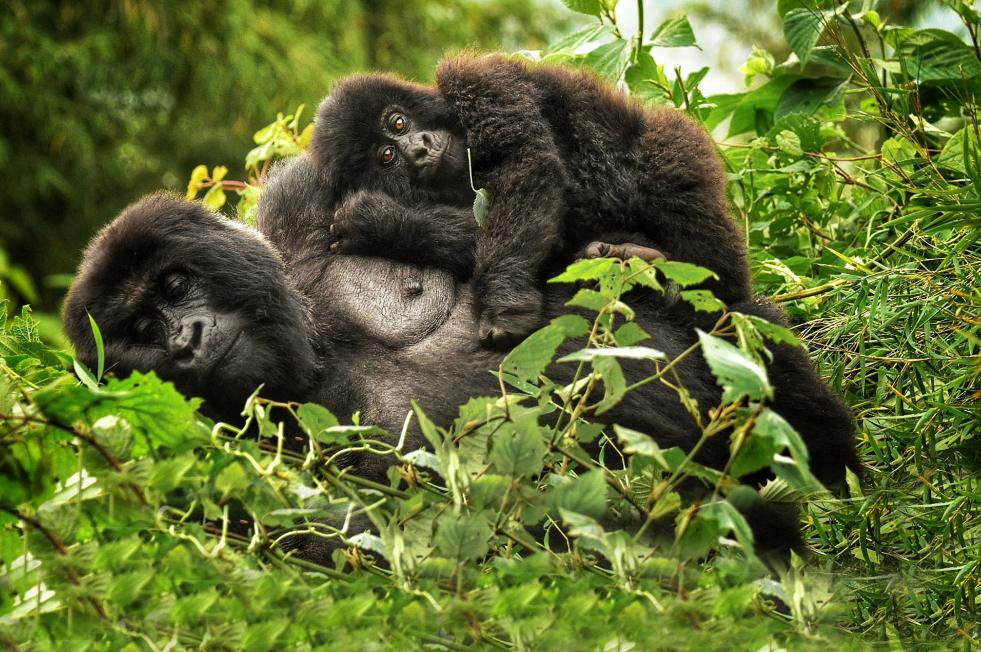
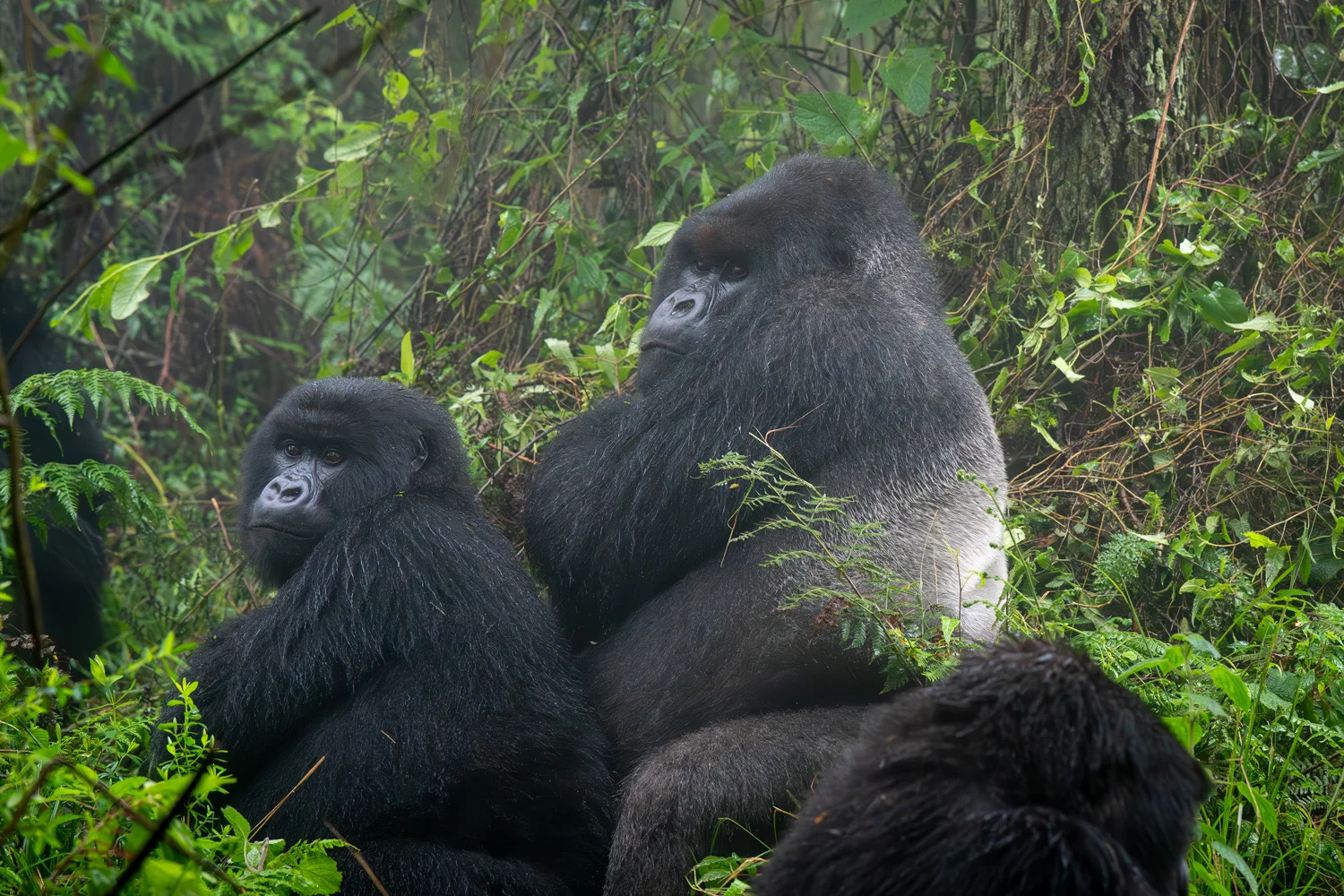
observing the family. During this time, they can watch silverbacks lead the
group, mothers care for young infants, and juveniles play among the vegetation.
The close proximity to these gentle giants often creates a strong emotional
connection. Despite their immense size and strength, mountain gorillas are
generally calm and peaceful when visitors follow established guidelines.
Watching them interact in their natural environment provides a unique insight
into their social behavior and intelligence. This one-hour encounter often
becomes the most memorable part of the entire experience.
5. The
Importance of Gorilla Habituation
A key element of gorilla trekking in Rwanda is the
process of habituation. Habituation is the gradual process through which wild
gorillas become accustomed to human presence without changing their natural
behavior. This process can take several years and is carried out by experienced
researchers, trackers, and conservation teams. Only habituated gorilla families
are opened to tourism, ensuring both visitor safety and animal welfare. The
goal is to allow people to observe gorillas while minimizing stress and
disturbance to the animals. Habituation has played an important role in
conservation by enabling sustainable tourism that supports gorilla protection
efforts. Through carefully managed visitor interactions, Rwanda has
successfully balanced wildlife conservation with tourism development, creating
benefits for both local communities and endangered mountain gorillas.
6. Physical
Demands of Gorilla Trekking
Gorilla trekking requires a moderate level of
physical fitness because the terrain can be challenging. Visitors often hike
through steep hillsides, muddy trails, dense vegetation, and uneven forest
paths. Trek durations vary widely depending on the location of the assigned
gorilla family. Some groups may be reached within one hour, while others
require several hours of walking. Weather conditions can also affect trail
difficulty, particularly during the rainy seasons. Despite these challenges,
most travelers with reasonable fitness can successfully complete a trek.
Porters are available to help carry bags and provide assistance along the
route. The effort involved in reaching the gorillas often makes the final
encounter even more rewarding, adding a sense of accomplishment to the overall
experience.
7. Conservation
Benefits of Gorilla Trekking
Gorilla trekking plays a significant role in
protecting mountain gorillas and their habitat. Revenue generated from trekking
permits supports conservation programs, anti-poaching patrols, research
initiatives, and park management activities. Part of the tourism income is also
shared with nearby communities, creating economic incentives for local people
to support wildlife conservation. This approach has helped reduce threats to
gorilla populations while improving community livelihoods. Rwanda is widely recognized
for its successful conservation model, which combines tourism, environmental
protection, and sustainable development. The growing popularity of gorilla
trekking has contributed directly to increasing awareness about the importance
of preserving endangered species. Every permit purchased helps fund efforts
that ensure mountain gorillas continue to thrive in their natural environment.
8. Best Time for
Gorilla Trekking in Rwanda
Gorilla trekking is available throughout the year,
making Rwanda a year-round safari destination. However, many travelers prefer
the dry seasons from June to September and December to February. During these
periods, forest trails are generally easier to navigate because there is less
mud and rainfall. The drier conditions also improve visibility for photography
and wildlife viewing. The rainy seasons bring lush landscapes and fewer
visitors, creating a quieter trekking experience. While trekking during wetter
months may be more physically demanding, gorilla sightings remain excellent
because the animals stay within the park throughout the year. Each season has
its advantages, allowing visitors to choose the timing that best matches their
interests, travel plans, and preferences.
9. Why Gorilla
Trekking Is Unique
Gorilla trekking differs from other wildlife
experiences because of the close connection visitors feel with the animals.
Mountain gorillas share around 98 percent of their DNA with humans, making
their behavior surprisingly familiar. Visitors often observe family interactions,
communication patterns, and emotional expressions that resemble human social
behavior. Unlike traditional game drives where animals may be observed from a
vehicle, gorilla trekking involves entering the forest and spending time within
the gorillas' environment. This creates a more personal and immersive wildlife
encounter. The limited number of permits available each day also ensures an
exclusive experience with fewer crowds. These unique characteristics have made
gorilla trekking one of the most sought-after wildlife activities in the world
and a defining feature of Rwanda tourism.
10. Why Gorilla
Trekking Is Worth Experiencing
For many travelers, gorilla trekking is more than a
safari activity because it combines adventure, education, conservation, and personal
reflection. The journey through the forest, the anticipation of finding the
gorillas, and the hour spent watching them create a powerful and memorable
experience. Beyond the excitement of seeing endangered wildlife, visitors gain
a deeper appreciation for conservation and the importance of protecting fragile
ecosystems. The experience also supports local communities and contributes
directly to the survival of mountain gorillas. Whether visiting Rwanda for
wildlife photography, nature exploration, or a luxury safari holiday, gorilla
trekking remains the country's most iconic attraction. It offers an
extraordinary opportunity to connect with nature and witness one of Earth's
most remarkable species in the wild.