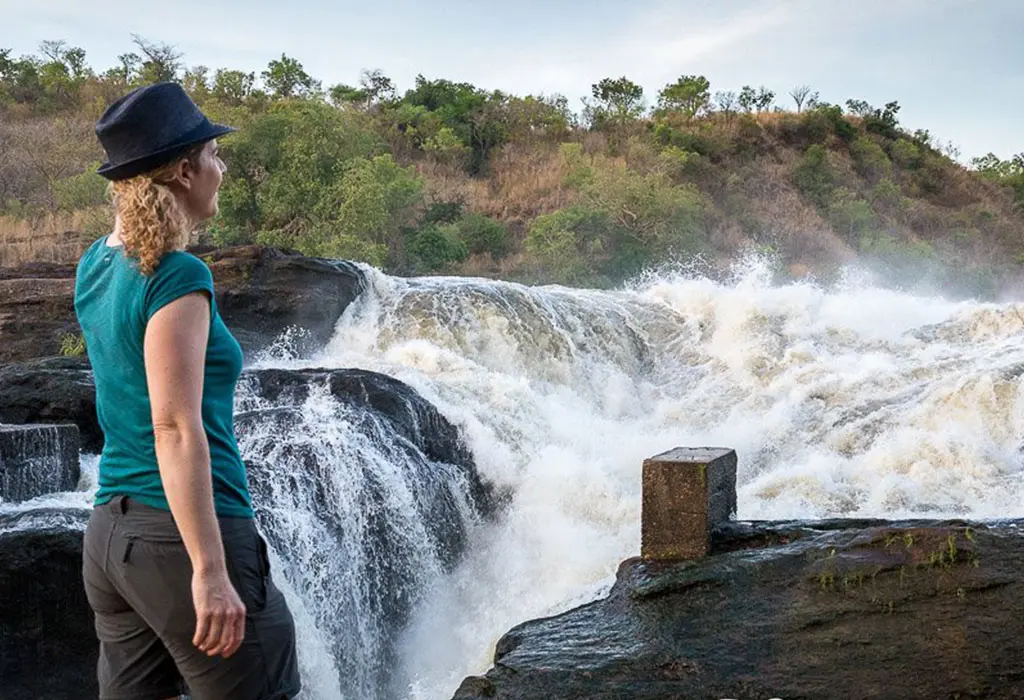

Going
on a solo
safari in East Africa is an exciting way to explore the region's beautiful
landscapes, wildlife, cultures and natural attractions at your own pace.
Whether you dream of watching lions in the savannah, trekking mountain
gorillas, enjoying boat cruises or relaxing in peaceful safari lodges, East
Africa offers unforgettable experiences for solo travelers. Countries such as
Uganda, Kenya, Tanzania and Rwanda have incredible safari destinations suitable
for travelers exploring alone. With proper planning, you can enjoy a safe,
comfortable and memorable safari while meeting new people and discovering
different cultures. Here are some important tips to help you plan the perfect
solo safari in East Africa.
1.
Choose Your Safari Destination
The
first step is choosing the country and destinations you want to explore. East
Africa has several safari destinations offering different experiences. In
Uganda, you can visit Queen
Elizabeth National Park, Murchison Falls National Park, Bwindi Impenetrable
National Park and Kibale Forest National Park for wildlife viewing, gorilla
trekking and chimpanzee tracking. In Kenya, the Masai Mara National Reserve,
Amboseli National Park and Lake Nakuru National Park are excellent destinations
for wildlife encounters and beautiful scenery.
Tanzania
offers memorable experiences in Serengeti National Park, Ngorongoro Crater and
Tarangire National Park, while Rwanda is known for gorilla trekking in
Volcanoes National Park, wildlife viewing in Akagera National Park and nature
experiences in Nyungwe National Park. Choose destinations according to your
interests, available time and budget.
2.
Decide on Your Safari Budget
Planning
your budget is important when travelling alone because you may have to cover
most expenses without sharing them with another traveler. Consider costs such
as accommodation, transport, park entrance fees, meals, activities and
professional guides. You can reduce expenses by choosing affordable lodges,
joining scheduled group safaris or booking shared game drives. Some tour
operators offer group departures that allow solo travelers to share
transportation and safari experiences with other visitors. Compare different
safari packages before making your booking to find an option that matches your
budget.
3.
Choose the Best Time to Travel
The
best time for a solo safari depends on the country and activities you want to
enjoy. Generally, the dry seasons are popular for wildlife viewing because
animals are easier to spot around water sources and vegetation is less dense. In
Uganda and Rwanda, the drier months are particularly popular for gorilla
trekking and chimpanzee tracking because forest trails are often easier to
navigate. In Kenya and Tanzania, the dry seasons offer excellent wildlife
viewing, while the Great Migration provides an additional attraction in the
Serengeti and Masai Mara at different times of the year. Research the weather
and seasonal activities in your chosen destinations before selecting your
travel dates.
4.
Book a Reliable Safari Tour Operator
Travelling
alone does not mean you have to organize everything yourself. Booking through a
reliable safari tour operator can make your journey easier and more
comfortable. A good operator can arrange transportation, accommodation, park
permits, guided activities and game drives. They can also help you choose
suitable destinations depending on your interests and travel budget. Before
booking, check customer reviews, compare packages and confirm what is included
in the safari price. Working with an experienced operator also gives you
professional support throughout your journey.
5.
Choose Comfortable Accommodation
Accommodation
plays an important role in making your solo safari enjoyable. East Africa has
different accommodation options, including
luxury safari lodges, tented camps, midrange hotels, budget lodges and
campsites. Choose accommodation that is conveniently located near your
preferred national parks and offers essential facilities. Consider security,
cleanliness, meals, transport arrangements and access to guided activities. If
you want to meet other travelers, consider staying in shared safari camps or
lodges with communal dining areas where guests can interact and share
experiences.
6.
Priotise Your Safety
Safety
should always be considered when planning a solo safari. Choose reputable
accommodation, use registered safari guides and avoid travelling through
unfamiliar areas alone, especially at night. Always follow instructions from
your guides when participating in wildlife activities. Keep a close eye on your
personal belongings and carry important travel documents securely. When
visiting national parks, never approach wild animals or leave your safari
vehicle without permission from your guide. For walking activities, always use
an authorized ranger or professional guide.
7.
Pack the Right Safari Essentials
Packing
appropriately helps you stay comfortable throughout your safari. Carry
lightweight clothing in neutral colors, comfortable walking shoes, a hat,
sunglasses and sunscreen. Other important items include insect repellent,
personal medication, a reusable water bottle, a camera, binoculars and a small
backpack for daily activities. If you are planning gorilla trekking or nature
walks, carry waterproof clothing and suitable hiking boots. Remember to pack
according to the weather and activities planned for your safari.
8.
Plan Activities You Can Enjoy Alone
One
of the best things about solo travel is having the freedom to choose activities
according to your interests. East Africa offers plenty of experiences that can
make your safari memorable. You can enjoy guided game drives to see elephants,
lions, giraffes and other wildlife, take boat cruises along rivers and lakes,
go gorilla
trekking in Uganda or Rwanda, explore local communities and participate in
cultural experiences. You can also enjoy bird watching, nature walks,
photography, chimpanzee tracking and hot air balloon safaris in selected
destinations. Joining guided group activities is another excellent way to meet
fellow travelers while enjoying your safari.
9.
Prepare Your Travel Documents
Before
travelling, make sure your passport is valid and that you have checked the
entry requirements for your chosen East African countries. Depending on your
nationality and travel arrangements, you may need visas, permits or other
travel documents. If you plan to visit more than one country, research the
relevant visa arrangements in advance. Also consider purchasing travel
insurance that covers medical emergencies, trip interruptions and planned
safari activities. Keep digital and printed copies of important documents for
easier access during your journey.
Best
Time to Enjoy a Solo Safari in East Africa
East
Africa can be explored throughout the year, but the dry seasons are generally
popular for wildlife safaris and outdoor activities. June to September is a
particularly popular period for wildlife viewing in Kenya and Tanzania, while
January and February also offer good safari opportunities in many destinations.
Uganda
and Rwanda are suitable for gorilla trekking throughout the year, although June
to September and December to February are popular periods because of relatively
drier conditions. However, the green seasons can also offer beautiful scenery,
fewer visitors and opportunities for more affordable accommodation.
Planning
the perfect solo safari in East Africa begins with choosing the right
destinations, setting a realistic budget and organizing reliable transportation
and accommodation. Whether you want to explore Uganda's forests, experience
Kenya's wildlife, discover Tanzania's famous national parks or enjoy Rwanda's
mountain gorillas, there are plenty of opportunities for an unforgettable adventure.
With proper preparation, reliable guides and an open mind, travelling alone can
be a rewarding way to discover East Africa. Take the opportunity to explore at
your own pace, meet new people and create lasting memories across this
beautiful region.