
A
Uganda
safari can cost anywhere between US$1,000 and US$10,000+ per person,
depending on the duration of the trip, accommodation category, transportation,
group size, and activities included. The biggest factor affecting the overall
cost is whether the safari includes gorilla
trekking. Uganda remains one of Africa's most affordable safari
destinations because it combines wildlife viewing, primate adventures, cultural
experiences, and scenic landscapes at lower prices than many neighboring safari
countries. Travelers can choose from budget, mid-range, and luxury options
based on their preferences and budget. A short wildlife safari may be
relatively affordable, while a longer itinerary that includes gorilla trekking,
chimpanzee tracking, and luxury lodges can significantly increase the total
cost. Careful planning helps travelers get the best value for their safari
experience.
Gorilla
Trekking Costs
Gorilla
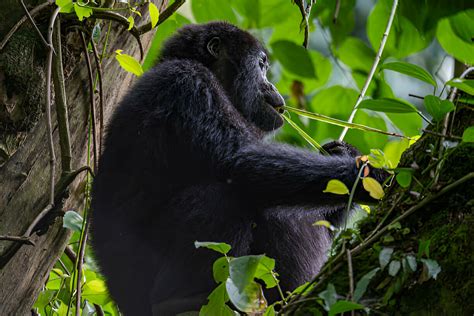
trekking is usually the most expensive activity on a Uganda safari. A standard
mountain gorilla permit costs US$800 per person, while discounted permits of
US$600 are available during selected low-season months. The permit grants
visitors one hour with a habituated gorilla family under the guidance of Uganda
Wildlife Authority rangers. In addition to the permit, travelers must budget
for accommodation, transportation to Bwindi
Impenetrable National Park or Mgahinga Gorilla National Park, porter fees,
guide tips, and meals. For many visitors, gorilla trekking is the highlight of
their Uganda safari and justifies a large portion of their travel budget. Even
though the permit is costly, the conservation value and unforgettable wildlife
encounter make it worthwhile for many travelers.
Budget
Safari Costs
Budget
Uganda safaris are suitable for travelers who want to experience wildlife and
nature while keeping expenses under control. These safaris generally cost
between US$150 and US$250 per person per day. Budget packages often include
basic accommodation, transportation in shared safari vehicles, park entrance
fees, guide services, and some meals. Popular destinations for budget safaris
include Queen Elizabeth National Park, Lake Mburo National Park, Murchison
Falls National Park, and Kibale National Park. Solo travelers can lower costs
further by joining scheduled group departures where transportation and guide
expenses are shared among several participants. Budget lodges and guesthouses
provide simple but comfortable accommodation while allowing visitors to
experience Uganda's wildlife and beautiful scenery without overspending.
Mid-Range
Safari Costs
Mid-range
safaris offer a balance between comfort and affordability. Travelers can expect
to spend approximately US$250 to US$500 per person per day depending on the
destination, season, and inclusions. Mid-range packages usually include
comfortable lodges with private facilities, professional guides, safari
vehicles, meals, and park fees. These safaris appeal to travelers seeking
quality services without paying luxury rates. Popular mid-range accommodations
are found throughout Queen
Elizabeth National Park, Kibale Forest, Murchison Falls, and Lake Bunyonyi.
Many visitors choose this category because it offers excellent value for money
while maintaining high standards of comfort and service. Mid-range safaris are
particularly popular among couples, families, and solo travelers who prefer
comfortable accommodation throughout their Uganda adventure.
Luxury
Safari Costs
Luxury
Uganda safaris provide premium experiences and exceptional comfort. Prices
generally range from US$600 to over US$1,500 per person per day, depending on
the level of exclusivity and accommodation selected. Luxury packages often
include private guides, customized itineraries, fine dining, charter flights,
and stays at high-end safari lodges. Some luxury lodges offer breathtaking
views, spacious suites, spa facilities, and personalized services. For
travelers combining gorilla trekking with luxury
wildlife safaris, the total safari cost can exceed US$8,000 per person for
a week-long itinerary. Luxury safaris appeal to travelers seeking privacy,
comfort, and personalized attention while enjoying Uganda's wildlife,
landscapes, and conservation experiences in some of the country's finest safari
properties.
Transportation
Costs
Transportation
is another major factor that affects safari costs in Uganda. Road safaris using
4x4 safari vehicles are generally more affordable than domestic flights. A
private safari vehicle with a professional guide adds convenience but may
increase overall expenses. Shared safari vehicles reduce costs considerably,
especially for solo travelers. Domestic charter flights between Entebbe and
remote safari destinations can save time but usually increase the safari
budget. Travelers should choose transportation options based on their available
time and preferred level of comfort. While road travel allows visitors to enjoy
Uganda's countryside and local communities, flying may be practical for
travelers visiting multiple national parks within a limited timeframe.
Accommodation
Costs
Accommodation
in Uganda caters to every budget level. Budget lodges and guesthouses generally
cost between US$30 and US$100 per night, while mid-range lodges range from
US$100 to US$300 per night. Luxury
safari lodges can cost US$400 to over US$1,000 per night. Accommodation
costs vary depending on location, facilities, and season. Properties near
gorilla trekking areas and prime wildlife destinations often charge higher
rates because of their popularity. Many safari packages include accommodation
costs, making it easier for travelers to estimate their total expenses.
Choosing accommodation that matches your travel style and budget helps ensure a
comfortable and enjoyable safari experience.
Additional
Safari Activities
Besides
traditional game drives, many travelers participate in additional activities
that influence safari costs. Chimpanzee tracking, boat cruises, guided nature
walks, cultural experiences, birdwatching excursions, and community visits may
require extra payments. These activities add variety to a safari and provide
opportunities to experience Uganda's natural and cultural attractions beyond
wildlife viewing. Costs vary depending on the activity and destination. While
optional experiences increase the overall budget, they often enrich the safari
and create memorable moments. Travelers should review available activities
before booking to prioritize those most relevant to their interests and budget.
Best
Ways to Save Money
There
are several ways to reduce Uganda safari costs without sacrificing quality.
Traveling during low season, joining group safaris, booking early, and choosing
mid-range or budget accommodation can significantly lower expenses. Travelers
can also focus on fewer destinations rather than visiting many parks within one
trip. Group departures are especially beneficial for solo travelers because
transportation and guide expenses are shared among participants. Comparing
safari packages from different operators helps identify competitive prices and
suitable itineraries. Flexible travel dates can also provide access to seasonal
discounts on accommodation and select safari activities.
The
cost of a Uganda safari depends on your travel style, interests, and level of
comfort. Budget travelers can enjoy rewarding experiences from around US$1,000
for a short safari, while luxury travelers may spend several thousand dollars
for a customized adventure. Gorilla trekking remains one of the most
significant expenses, with permits costing US$800 per person, although
discounted permits are available during selected low-season months. Whether you
choose a budget, mid-range, or luxury safari, Uganda offers excellent value
through its diverse wildlife, mountain gorillas, chimpanzees, spectacular
landscapes, and unique cultural experiences. With proper planning, a Uganda
safari can become a memorable investment in one of Africa's most rewarding
travel destinations