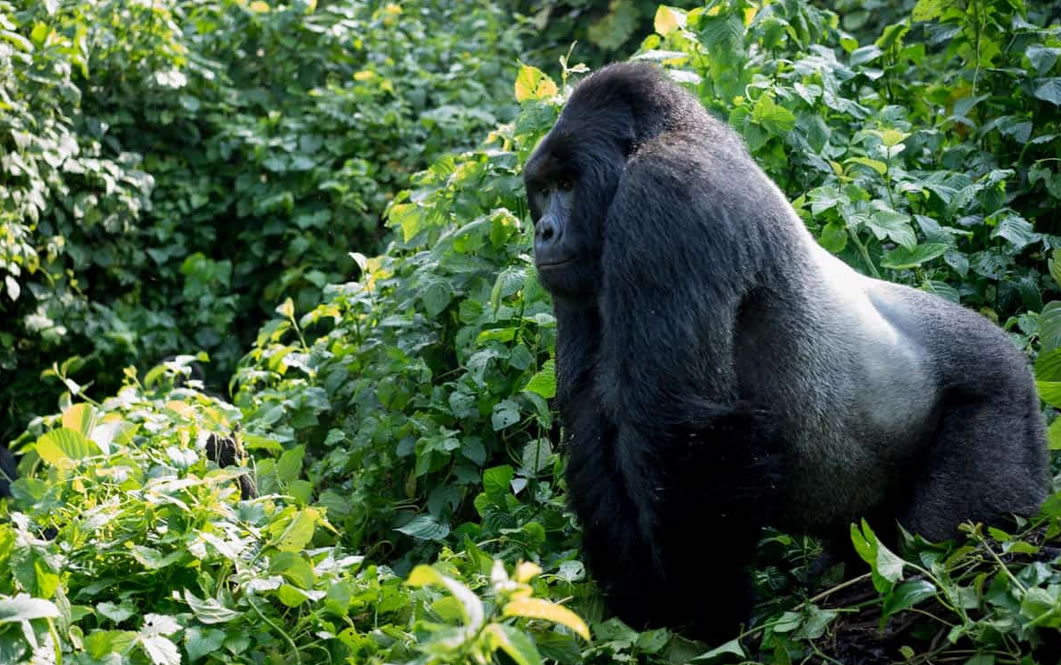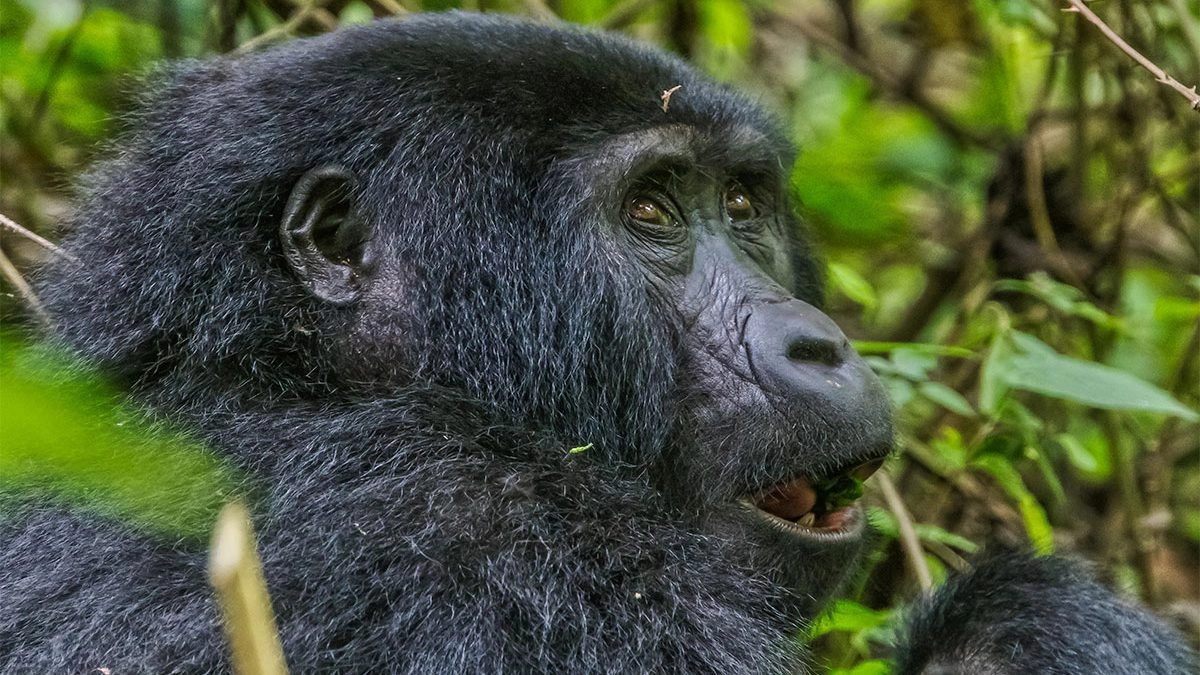

Gorillas in Rwanda are among the country’s most
celebrated wildlife attractions and a major reason travelers visit the Land of
a Thousand Hills. Found in Volcanoes
National Park within the Virunga Mountains, these endangered mountain
gorillas offer one of the most remarkable wildlife experiences in Africa.
Through carefully managed gorilla trekking, visitors can spend one hour
observing habituated gorilla families in their natural forest habitat. Rwanda’s
strong conservation efforts, professional guiding services, and well-organized
tourism infrastructure have helped protect gorilla populations while supporting
local communities. In addition to gorilla trekking, visitors can enjoy stunning
volcanic landscapes, cultural experiences, and conservation-focused tourism
activities. Seeing gorillas in Rwanda provides a rare opportunity to connect
with one of humanity’s closest relatives while contributing directly to
wildlife protection and sustainable tourism development.
1. Rwanda Is One
of the Best Places to See Mountain Gorillas
Rwanda is globally recognized as one of the leading
destinations for mountain gorilla tourism. The country protects a significant
population of endangered mountain gorillas within Volcanoes National Park,
which forms part of the larger Virunga Conservation Area shared with Uganda and
the Democratic Republic of Congo. Gorillas in Rwanda attract thousands of
visitors each year who travel to observe these remarkable primates in their
natural forest habitat. The country's strong commitment to conservation,
well-organized tourism system, and excellent infrastructure have contributed to
its reputation as a premium gorilla trekking destination. Visitors can easily
reach Volcanoes National Park from Kigali within a few hours. The combination
of accessibility, conservation success, and unforgettable wildlife encounters
makes gorillas in Rwanda one of the country's most valuable and celebrated
tourism attractions today.
2. Mountain
Gorillas Are Endangered but Increasing
One of the most interesting facts about gorillas
in Rwanda is that they are part of a rare and endangered species known as
mountain gorillas. These primates are found only in the Virunga Mountains and
Uganda's Bwindi Impenetrable Forest. Conservation efforts over several decades
have helped increase gorilla populations through anti-poaching programs,
veterinary interventions, habitat protection, and community involvement. Rwanda
has played a major role in these achievements by investing heavily in
conservation and responsible tourism. Every gorilla trekking permit purchased
contributes to wildlife protection and community development initiatives.
Despite positive population growth, mountain gorillas still face challenges
such as habitat pressure, disease risks, and environmental changes. Responsible
tourism remains essential for ensuring the long-term survival of gorillas in
Rwanda and supporting ongoing conservation efforts throughout the region.
3. Volcanoes
National Park Is the Home of Rwanda’s Gorillas
Volcanoes National Park serves as the primary
destination for viewing gorillas in Rwanda. Located in the country's
northwestern region, the park covers lush forests and volcanic landscapes
within the Virunga Mountain range. The park is famous not only for mountain
gorillas but also for its breathtaking scenery and rich biodiversity. Several
habituated gorilla families live within the park and are monitored daily by
experienced trackers and conservation teams. The dense vegetation provides a
suitable habitat where gorillas can find food, shelter, and protection.
Visitors participating in gorilla trekking are guided through these forests in
search of a designated gorilla family. The park's combination of conservation
significance and natural beauty makes it one of Africa's most important
wildlife destinations and the centerpiece of gorillas in Rwanda tourism.
4. Gorilla
Trekking Is the Main Tourist Activity
Gorilla trekking is the most sought-after activity
associated with gorillas in Rwanda. The experience begins early in the morning
with a briefing at the park headquarters. Visitors are assigned to small groups
and guided by professional park rangers into the forest. The duration of the
trek depends on the location of the gorilla family and can range from one hour
to several hours. Once the gorillas are located, visitors are allowed one hour
to observe and photograph them. During this time, travelers can watch the
gorillas feeding, grooming, resting, and interacting with family members. The
close observation of these intelligent primates creates a unique wildlife
experience that many visitors consider the highlight of their African safari.
Gorilla trekking remains the primary reason travelers visit Rwanda each year.
5. Gorilla
Families Are Carefully Habituated
The gorillas in Rwanda that receive visitors belong to
habituated families. Habituation is a gradual process through which
gorillas become comfortable with the presence of researchers, conservationists,
and tourists. This process takes several years and is conducted carefully to
minimize stress on the animals. Once a family is fully habituated, it can be
included in controlled tourism activities while maintaining its natural
behavior. Habituated gorillas continue to live freely in the wild and are not
confined in any way. Visitors often observe silverbacks, females, juveniles,
and playful infants during treks. The structured management of habituated
groups helps support conservation funding while ensuring that gorilla welfare
remains a priority. Habituation has been essential in making gorillas in Rwanda
accessible to travelers without compromising conservation objectives.
6. Gorilla
Trekking Permits Are Required
Anyone wishing to see gorillas in Rwanda must obtain
a valid gorilla trekking permit. Permit systems help regulate visitor numbers
and reduce potential disruption to gorilla families. Because trekking
experiences are highly popular, permits should be secured well in advance,
especially during peak travel seasons. The permit grants access to one gorilla
trek and includes the services of guides, trackers, and park rangers. Visitor
numbers are strictly controlled to help prevent disease transmission and
minimize environmental impact. Rwanda's permit system plays a significant role
in conservation by generating funding for wildlife protection and community
projects. Travelers planning a gorilla safari should work with reputable tour
operators who can assist with permit arrangements and logistics. Proper
planning is essential when organizing a trip to see gorillas in Rwanda.
7. Physical
Preparation Enhances the Experience
Although gorilla trekking is accessible to many
visitors, a reasonable level of fitness is helpful when searching for gorillas
in Rwanda. Forest trails can be steep, muddy, and uneven depending on weather
conditions and gorilla movements. Trekking durations vary considerably, and
some groups may spend several hours hiking before locating a gorilla family.
Wearing comfortable hiking boots and carrying sufficient drinking water
significantly improves comfort. Long sleeves, long trousers, and waterproof
clothing are also recommended due to changing conditions within the forest.
Porters are available to assist visitors with carrying bags and provide support
along difficult sections of the trail. Preparing adequately allows travelers to
focus on enjoying the incredible wildlife encounter that awaits when gorillas
in Rwanda are finally located.
8. Responsible
Tourism Is Essential for Gorilla Conservation
Responsible tourism is an important aspect of protecting
gorillas in Rwanda. Visitors are required to follow specific rules designed to
safeguard both gorillas and humans. Maintaining a safe distance from the
animals helps reduce the risk of disease transmission. Visitors who feel unwell
are advised not to participate in trekking activities because gorillas are
susceptible to human illnesses. Eating, littering, and making excessive noise
near the gorillas are prohibited. Photography is allowed, but flash photography
is not permitted. Rangers continually educate visitors about proper behavior
before and during treks. These guidelines have contributed significantly to
successful conservation efforts and sustainable tourism practices. By following
the rules, visitors play a direct role in supporting the future protection of
gorillas in Rwanda.
9. Gorilla
Tourism Benefits Local Communities
The success of gorillas in Rwanda has generated
considerable benefits for communities living near Volcanoes
National Park. Tourism revenue contributes to schools, healthcare
facilities, infrastructure development, and local employment opportunities.
Community members work as guides, porters, lodge staff, artisans, and
conservation personnel. Revenue-sharing programs help ensure that local
residents directly benefit from wildlife protection initiatives. This approach
has strengthened support for conservation while providing alternative income
sources that reduce pressure on natural resources. Visitors often have
opportunities to participate in cultural activities and community visits during
their gorilla safari. These interactions help create stronger connections
between conservation and local livelihoods. The positive impact of gorilla
tourism demonstrates how wildlife protection can support both environmental and
community development goals.
10. Seeing
Gorillas in Rwanda Is a Lifetime Experience
For many travelers, encountering gorillas in Rwanda
represents one of the most remarkable wildlife experiences in the world.
Watching a silverback lead his family, observing mothers care for their
infants, and seeing young gorillas play in the forest creates unforgettable
memories. Unlike many wildlife encounters that occur from a distance, gorilla
trekking offers an intimate opportunity to observe these primates at close
range while respecting conservation regulations. The combination of stunning
volcanic landscapes, experienced guides, conservation success stories, and the
presence of endangered mountain gorillas makes Rwanda a truly special
destination. Whether you are a wildlife enthusiast, photographer, conservation
supporter, or first-time safari traveler, spending time with gorillas in Rwanda
provides a meaningful and deeply rewarding connection with one of humanity’s
closest relatives.