
Gorilla
trekking in Uganda is one of Africa's most rewarding wildlife experiences,
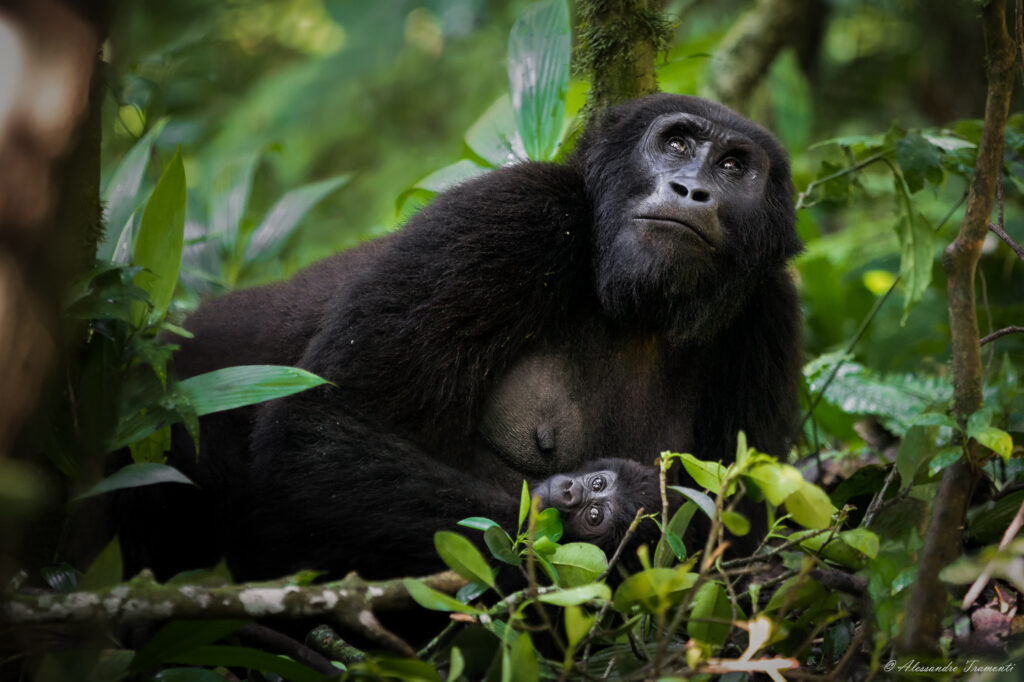
offering visitors the rare opportunity to observe endangered mountain gorillas
in their natural habitat. Conducted in Bwindi Impenetrable National Park and
Mgahinga Gorilla National Park, the activity is carefully regulated to protect
both gorillas and visitors. Trekkers must obtain valid permits, attend mandatory
briefings, and follow strict conservation guidelines throughout the experience.
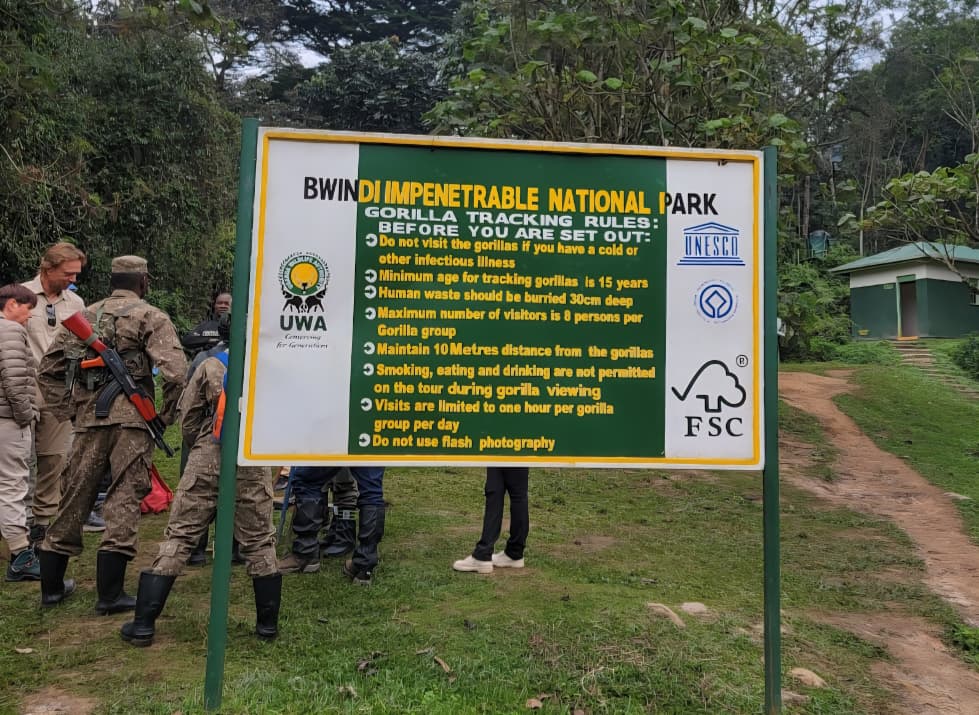
Key rules include maintaining a safe distance from gorillas, avoiding trekking
when sick, keeping noise levels low, and following ranger instructions at all
times. Flash photography and direct contact with gorillas are prohibited to
minimize disturbance and disease transmission. By respecting these regulations,
visitors contribute to gorilla conservation while enjoying a safe, memorable,
and environmentally responsible encounter with Uganda's remarkable mountain
gorillas.
1. Obtain a Valid
Gorilla Trekking Permit Before Travel
One of the most important guidelines for gorilla
trekking in Uganda is obtaining a valid gorilla trekking permit before your
visit. Permits are issued by the Uganda Wildlife Authority (UWA) and are
mandatory for all visitors wishing to track mountain gorillas in Bwindi
Impenetrable National Park and Mgahinga
Gorilla National Park. A permit reserves your place in a specific gorilla
family and grants you one hour with the gorillas once they are located. Due to
limited availability and high demand, especially during peak seasons, permits
should be booked several months in advance. Visitors must carry identification
and permit details on trekking day for verification. Without a permit,
participation is impossible regardless of accommodation bookings or travel
arrangements. Early reservation also allows better planning of accommodation,
transportation, and preferred trekking sectors.
2. Observe the
Minimum Age Requirement
Uganda enforces a strict minimum age requirement of
15 years for gorilla
trekking participants. This rule is designed to protect both visitors and
gorillas. Young children may struggle with the physically demanding nature of
trekking through steep forests and dense vegetation. They may also find it
difficult to remain calm and quiet when encountering gorillas. Furthermore,
children are more likely to carry contagious diseases that can easily spread to
gorillas because humans and gorillas share a significant percentage of their
DNA. Park authorities often verify ages before allowing participation, and
exceptions are rarely made. Families traveling with younger children should
consider alternative activities such as guided nature walks or cultural
experiences. Compliance with this guideline contributes significantly to
visitor safety and gorilla conservation throughout Uganda's protected areas and
tourism destinations.
3. Attend the
Mandatory Pre-Trek Briefing
Every gorilla trek begins with a mandatory briefing
conducted by Uganda Wildlife Authority guides and rangers. This briefing
provides essential information regarding trekking procedures, safety
precautions, expected behavior, and conservation regulations. Visitors are
assigned gorilla families and trekking groups based on fitness levels and
operational considerations. During the session, guides explain how to react
during close encounters with gorillas and what to do if a gorilla approaches
unexpectedly. The briefing also covers environmental responsibility, including
proper waste disposal and minimizing disturbances within the forest ecosystem.
Attendance is compulsory because the information shared directly contributes to
a safe and enjoyable trekking experience. Visitors should arrive at the park
headquarters early to ensure sufficient time for registration and briefing
activities before departure into the forest with guides and trackers.
4. Maintain a
Safe Distance from Gorillas
Visitors are required to maintain a minimum distance
of seven meters from mountain gorillas whenever possible. This guideline helps
reduce the transmission of diseases between humans and gorillas, which are
highly susceptible to human illnesses. Maintaining space also minimizes stress
and behavioral disruptions among gorilla groups. Although guides monitor
visitor positioning, situations may arise where curious gorillas move closer to
people. In such cases, trekkers should remain calm, avoid sudden movements, and
follow ranger instructions carefully. Touching gorillas is strictly prohibited
regardless of how close they approach. Respecting this distance contributes to
long-term conservation efforts and supports the welfare of these endangered
primates. Following the seven-meter rule demonstrates responsible tourism while
ensuring that gorillas continue to behave naturally within their forest habitat
and social structures.
5. Do Not Trek
When Sick
Anyone experiencing symptoms of illness should not participate in gorilla trekking. Conditions such as coughs, flu, fever, colds, sore throats, or other infectious diseases can pose serious health risks to mountain gorillas. Because gorillas share many genetic similarities with humans, they are vulnerable to human-transmitted infections that can spread rapidly through family groups. Visitors who feel unwell must inform park authorities immediately. In some cases, arrangements may be made depending on circumstances and park policies. While canceling a long-awaited trek can be disappointing, protecting the health of endangered gorillas remains a conservation priority. Responsible travelers understand the importance of putting wildlife welfare before personal interests. Staying away when ill helps safeguard gorilla populations and supports Uganda's successful conservation achievements for future generations and visitors.
6. Keep Noise
Levels to a Minimum
Silence and calm behavior are essential throughout
the trekking
experience. Excessive noise can disturb gorillas and other wildlife
inhabiting the forest. Visitors are encouraged to speak softly, listen
carefully to guide instructions, and avoid loud conversations, shouting, or
disruptive behavior. Low noise levels help trackers communicate effectively and
improve opportunities for observing natural gorilla behaviors such as feeding,
grooming, resting, and social interaction. Quiet surroundings also enhance the
overall wilderness experience for everyone in the trekking group. Mobile phones
should be placed on silent mode before entering the forest to prevent
unexpected disturbances. Maintaining a peaceful atmosphere allows visitors to
appreciate the sounds of the rainforest while minimizing human impact on
wildlife. Respectful behavior supports sustainable tourism and contributes to a
more authentic gorilla trekking adventure in Uganda.
7. Avoid Flash Photography
Photography is one of the highlights of gorilla
trekking, but certain rules must be followed. Flash photography is strictly
prohibited because sudden flashes can startle gorillas and alter their natural
behavior. Visitors should disable flash settings before approaching gorilla
groups and ensure cameras are properly adjusted for low-light forest
conditions. Modern cameras and smartphones often perform well without flash,
especially when using appropriate settings. During photography sessions, visitors
should move slowly and avoid positioning themselves aggressively for pictures.
Guides may offer advice on the best angles and locations while ensuring the
safety of both trekkers and wildlife. Photographs should never come at the
expense of responsible behavior. Respectful photography practices help protect
gorillas from unnecessary stress while allowing visitors to capture memorable
images of one of Africa's most extraordinary wildlife encounters.
8. Follow Ranger
and Guide Instructions at All Times
Professional guides and armed rangers accompany
every gorilla trekking group to ensure safety and proper wildlife management.
Their instructions must be followed at all times without exception. Guides
possess extensive knowledge about gorilla behavior, trekking routes, forest
conditions, and visitor safety procedures. Rangers also provide protection in
remote wilderness environments. During encounters, they may instruct visitors
to move, crouch, remain still, or change positions depending on gorilla movements.
Ignoring instructions can place both people and gorillas at risk. Cooperation
is essential throughout the trek, regardless of personal preferences or
photography interests. Respect for guide expertise improves visitor experiences
and contributes to smooth trekking operations. Trusting and following ranger
guidance ensures safe interactions while supporting Uganda's high standards of
gorilla conservation and wildlife tourism management.
9. Limit Time
Spent with the Gorillas
Once the gorillas are located, visitors are allowed
a maximum of one hour in their presence. This rule exists to minimize stress
and disruption to gorilla daily activities while still providing meaningful
wildlife encounters. During the allotted hour, visitors can observe, photograph,
and learn about gorilla behaviors under guide supervision. Remaining beyond the
permitted duration is not allowed because repeated human exposure can
negatively affect gorilla routines and health. The one-hour limit applies
equally to all visitors regardless of travel distance or permit costs. Guides
carefully monitor timing and notify groups when it is time to leave. Although
many visitors wish they could spend longer watching these remarkable primates,
the restriction helps balance tourism interests with effective conservation.
Responsible adherence supports the protection and long-term survival of
Uganda's mountain gorillas.
10. Respect the
Environment and Leave No Trace
Environmental responsibility is a fundamental
principle of gorilla trekking in Uganda. Visitors should leave the forest
exactly as they found it by taking away all litter, avoiding damage to
vegetation, and staying on designated routes whenever instructed. Feeding
wildlife is strictly prohibited because it can alter natural behavior patterns
and create dependency on humans. Smoking is discouraged and should only occur
in approved areas if permitted by guides. Trekkers should carry reusable water
bottles and environmentally friendly supplies whenever possible. Respecting the
forest ecosystem benefits not only gorillas but also countless plant species,
birds, insects, and mammals that inhabit these protected areas. Practicing
leave-no-trace principles ensures that future generations can continue enjoying
Uganda's unique biodiversity while preserving the ecological integrity of
Bwindi and Mgahinga National Parks for years ahead.