
Uganda is widely known for mountain
gorillas, but the country offers a remarkably diverse safari circuit beyond
Bwindi. From savanna parks with tree-climbing lions to Africa's primate
capital, remote wildernesses, and powerful Nile waterfalls, Uganda rewards
travelers who look past the gorillas. Here are ten experiences that reveal the
country's broader wildlife and landscape richness.
Queen
Elizabeth National Park and Its Tree-Climbing Lions
Queen Elizabeth National Park is
Uganda's most popular savanna destination, spanning nearly 2,000 square
kilometers across the Albertine Rift Valley. The park contains five distinct
vegetation types savanna, forest, acacia woodland, swamp, and lake supporting
nearly 100 mammal species and over 600 birds. Its signature attraction is the
Ishasha sector, where lions habitually rest in large fig trees, a behavior
rarely seen elsewhere. The park also hosts elephants, buffalo, leopards, and
hippos, making it a complete Big Five destination apart from rhinos. Game
drives across the Kasenyi Plains and guided walks round out the experience,
offering a classic safari contrast to gorilla trekking.
The
Kazinga Channel Boat Safari
The Kazinga Channel connects Lake
George and Lake Edward across 32 kilometers, and a boat cruise here is one of
Uganda's most rewarding wildlife experiences. The channel attracts dense
concentrations of hippos, crocodiles, buffalo, and elephants along its banks,
while over 60 bird species have been recorded in the area, including pelicans,
kingfishers, and the rare shoebill stork. The calm waters and lush shoreline
make photography exceptionally productive, particularly during sunrise and
sunset. Unlike land-based game drives, the boat safari offers eye-level
encounters with wildlife in and around the water, providing a different
perspective on the park's ecology and a peaceful interlude between more active
trekking days.
Chimpanzee
Trekking in Kibale Forest
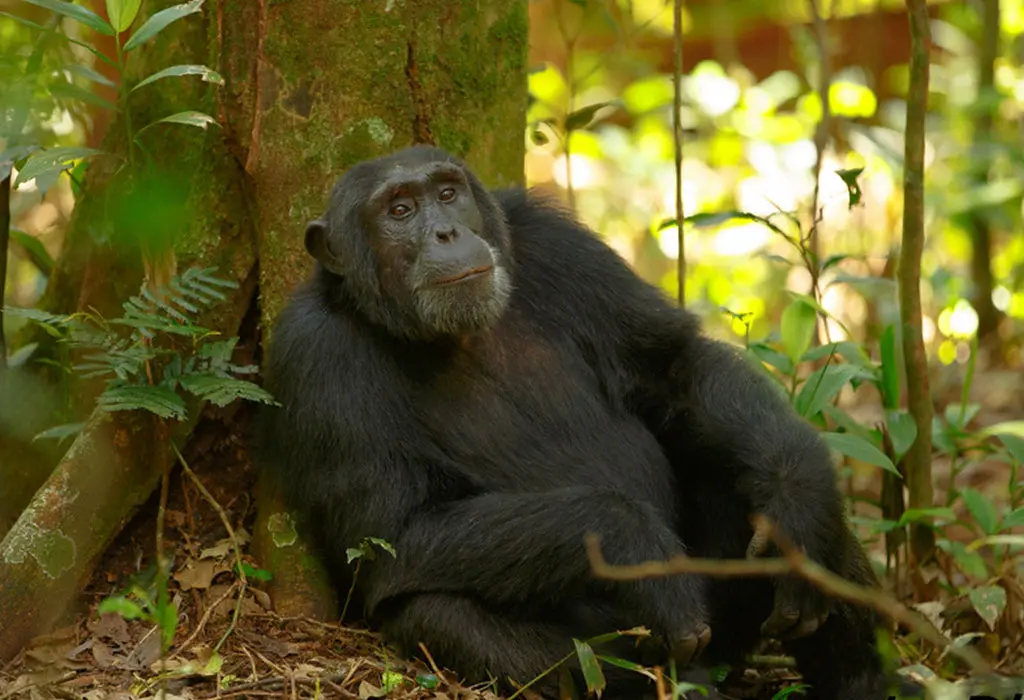
Kibale National Park is known as
Africa's primate capital, with 13 species recorded and a chimpanzee population
exceeding 1,500 individuals. Chimpanzee trekking here is the park's signature
activity, with habituated communities allowing visitors to observe these
primates in their natural forest habitat. Treks typically last two to four
hours and offer opportunities to spot red colobus, black-and-white colobus, and
L'Hoest's monkeys alongside the chimps. For those seeking deeper immersion, the
Chimpanzee Habituation Experience allows a full day with researchers, observing
the animals from waking to nesting. Kibale provides a primate encounter that
complements gorilla trekking without requiring a second permit.
Rhino
Tracking at Ziwa Sanctuary
Uganda's rhinos were locally
extinct until Ziwa Rhino Sanctuary was established to reintroduce southern
white rhinos. Located in northern Uganda, the sanctuary offers guided walking
safaris where visitors track rhinos on foot through savanna landscapes. The
experience is intimate and educational, with rangers explaining the
conservation efforts behind the species' recovery. Beyond rhinos, the sanctuary
supports giraffes, zebras, waterbucks, and diverse birdlife. A visit to Ziwa is
often combined with travel to Murchison Falls, making it a natural stop on a
northern circuit itinerary and a chance to contribute to one of Uganda's
conservation success stories.
Murchison
Falls and the Nile
Murchison Falls National Park is
Uganda's largest protected area, centered on the dramatic point where the
Victoria Nile squeezes through a seven-meter gorge before plunging 43 meters.
The falls themselves are a spectacle of raw power, best experienced from both
the top and via a boat cruise to the base. The surrounding park supports
elephants, giraffes, lions, buffalo, hippos, crocodiles, and over 450 bird
species. Boat safaris along the Nile offer close encounters with riverside
wildlife, while game drives across the savanna reveal classic African mammals.
Murchison combines a geological wonder with a full safari experience, making it
one of Uganda's most complete destinations outside the gorilla circuit.
Kidepo
Valley's Remote Wilderness
Kidepo Valley National Park lies in
Uganda's far northeast, bordering South Sudan and Kenya, and is the country's
most remote safari destination. The park's isolation means few visitors,
offering a sense of solitude and wildness increasingly rare in East Africa. Its
landscapes feature sweeping savannas dotted with granite kopjes and framed by
rugged mountains, supporting wildlife populations uncommon elsewhere in Uganda.
Over 475 bird species have been recorded, and game drives in the Narus Valley
provide opportunities to see lions, elephants, giraffes, and buffalo. Kidepo
rewards travelers willing to make the journey with an authentic, uncrowded
safari experience far from the typical tourist circuits.
Lake
Mburo and Walking Safaris
Lake Mburo National Park sits
conveniently close to the highway connecting Kampala to western Uganda, making
it an accessible stopover or short safari option. The park's relatively small
size and lack of large predators make it ideal for walking safaris, mountain
biking, and horseback riding activities not permitted in most Ugandan parks.
The lakes and wetlands attract hippos, crocodiles, and abundant birdlife, while
the surrounding savanna supports zebras, impalas, and elands. For travelers
seeking a quieter, more active safari experience between gorilla trekking and
chimpanzee tracking, Lake Mburo offers a welcome change of pace.
Birding
Beyond the Gorillas
Uganda hosts over 1,000 bird
species, roughly half of all species documented across Africa, and several
parks beyond Bwindi offer exceptional birding. The shoebill stork, a
prehistoric-looking bird highly sought by enthusiasts, can be found along the
shores of Lake Albert and in Murchison Falls. Queen Elizabeth National Park's
Kazinga Channel attracts waterbirds and raptors, while Kibale and Kidepo add
forest and savanna species respectively. For dedicated birders, Uganda's
combination of Albertine Rift endemics, wetland specialists, and savanna
species makes the country a premier African birding destination that extends
far beyond the gorilla forests.
Mount
Elgon and Sipi Falls
Mount Elgon National Park, on the
border with Kenya, protects an extinct volcano that was once Africa's highest
peak before erosion reduced it to 4,321 meters. The park offers hiking and
trekking opportunities through forest and moorland, with large caves that
attract elephants and buffalo seeking salt licks. Over 300 bird species have
been recorded, including the endangered lammergeyer. The nearby Sipi Falls, a
series of waterfalls on the foothills, provides a scenic complement to
trekking. For travelers interested in Uganda's mountainous landscapes beyond
the Virunga volcanoes, Mount Elgon offers a physically rewarding alternative
with fewer crowds.
Cultural
Encounters and Community Experiences
Uganda's safari experiences extend
beyond wildlife to include cultural interactions with communities living
alongside parks. Visits to the Karamojong people in the Kidepo region offer
insight into one of Uganda's most distinctive cultures. Near Queen Elizabeth,
the Lake Katwe salt works demonstrate traditional salt mining methods passed
down through generations. These experiences, when arranged through responsible
operators, provide context for conservation challenges and ensure tourism
benefits reach local communities. Combining wildlife viewing with cultural
understanding transforms a safari from a checklist of animals into a richer
engagement with the landscapes and people that make Uganda's protected areas
meaningful