
A Uganda safari is more than wildlife viewing,
gorilla trekking and beautiful landscapes. The country’s diverse cultures,
traditions, music, food and ways of life add another important dimension to the
safari experience. From meeting local communities to learning traditional
skills, cultural experiences allow visitors to connect with Uganda beyond its
national parks.
Batwa Cultural
Experience in Bwindi and Mgahinga
The Batwa cultural experience offers visitors an
opportunity to learn about the traditional forest life of the Batwa people. The
Batwa are among the indigenous communities historically associated with the
forests of southwestern Uganda. During a cultural visit, travelers can learn
about traditional hunting methods, medicinal plants, forest knowledge,
storytelling, music and dance. The experience provides insight into the Batwa’s
connection with the forest and their cultural heritage.
Banyankole
Cultural Experience
The Banyankole are mainly found in southwestern
Uganda, particularly around areas such as Mbarara, Ntungamo, Bushenyi and
surrounding communities. A cultural experience introduces visitors to
traditions associated with Ankole, including traditional songs, dances, local
food and cattle keeping. The long-horned Ankole cattle are an important part of
the region’s cultural identity, making a visit to a traditional cattle-keeping
community an interesting addition to a safari.
Karamojong
Cultural Experience in Karamoja
A visit to a Karamojong community in northeastern
Uganda offers a completely different cultural experience. Visitors can learn
about the traditional lifestyle, homes, cattle keeping, food, dances, songs and
ceremonies of the Karamojong people. Many cultural visits include time in a
traditional homestead, where guests can interact with community members and
learn about their daily lives. This experience fits particularly well with a
safari to Kidepo Valley National Park.
Buganda Cultural
Experience in Kampala
Kampala provides an opportunity to discover the
culture and history of the Baganda people. Visitors can explore cultural sites
such as the Kasubi Tombs, an important cultural and historical site associated
with the Kabakas or kings of Buganda. Travelers can also visit craft markets,
taste traditional foods and learn about Buganda traditions, music and royal
history.
Traditional
Ugandan Food Experience
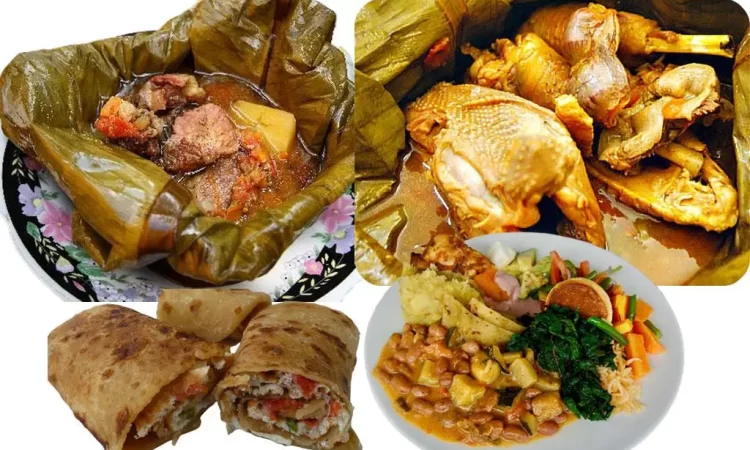
Food is an important part of understanding Uganda’s
culture. During a cultural experience, visitors can taste dishes such as
matoke, groundnut sauce, cassava, sweet potatoes, millet bread, beans and
locally prepared meats. Different regions have their own specialties, so trying
local food during a community visit gives travelers a chance to experience
Uganda through its flavors and traditional cooking methods.
Traditional
Music and Dance
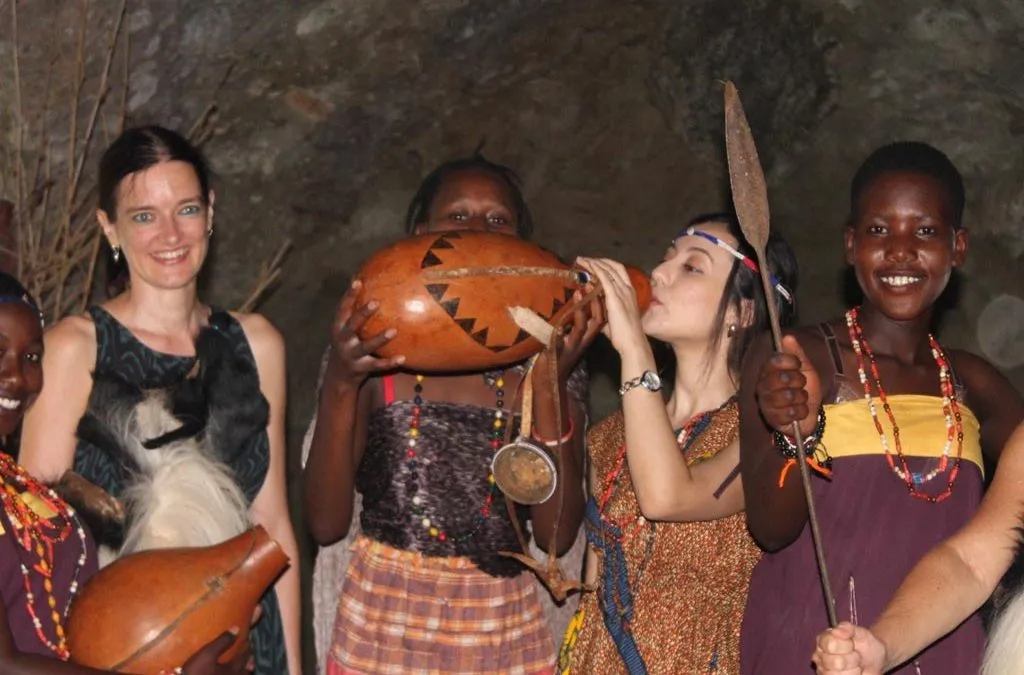
Music and dance are deeply connected to Ugandan
culture and are often part of community celebrations and cultural visits.
Different ethnic groups have their own dances, instruments, rhythms and
traditional songs. Visitors may have the opportunity to watch performances and
in some communities, participate in the dancing. These performances provide a
lively way to learn about local traditions and celebrations.
Coffee Cultural
Experience
Uganda is one of Africa’s important coffee-producing
countries, making coffee experiences a great addition to a safari. Visitors can
tour a local coffee farm, learn how coffee is grown and harvested and see the
traditional methods used to process the beans. Some experiences also allow
travelers to participate in roasting and grinding coffee before enjoying a
freshly prepared cup.
Community Walks
and Village Visits
Community walks provide a closer look at everyday life
in rural Uganda. Visitors can walk through villages, meet local families, visit
small farms, see traditional homes and learn about activities such as farming
and handicraft making. These visits create opportunities for genuine
interaction while supporting communities that live around Uganda’s tourism
destinations.
Local Craft and
Basket Weaving
Uganda has a long tradition of handmade crafts,
including baskets, mats, pottery, beads, wood carvings and other artistic
products. During a cultural visit, travelers can watch local artisans
demonstrate how these items are made and learn about the skills passed from one
generation to another. Buying crafts directly from artisans also provides an
opportunity to support local livelihoods while taking home a meaningful
souvenir.
Fishing Village
Experience
For travelers visiting areas around Uganda’s lakes,
a fishing village experience offers an insight into communities whose lives are
closely connected to water. Visitors can learn about traditional fishing
practices, local boats, fish processing and the daily activities of fishing
communities. Destinations around Lake Victoria and other major lakes provide
opportunities to combine cultural visits with beautiful lakeside scenery.
Traditional
Healers and Indigenous Knowledge
Some community experiences introduce visitors to
traditional knowledge about medicinal plants and their uses. Local guides may
explain how certain plants have traditionally been used by communities for
generations. These experiences highlight the depth of indigenous knowledge and
the close relationship between people, plants and the natural environment.
Visitors should treat traditional medicine as cultural knowledge rather than a
substitute for professional medical care.
Why Include
Cultural Experiences on a Uganda Safari?
Adding cultural experiences to a Uganda safari
allows travelers to see a different side of the country. Wildlife encounters
show Uganda’s natural heritage while cultural visits introduce visitors to the
people, traditions, food, music, history and everyday life that make each
region distinctive. Whether visiting the Batwa in southwestern Uganda,
experiencing Karamojong traditions in Karamoja, exploring Buganda culture in
Kampala or meeting communities around the national parks, these experiences can
make a safari more connected to the country and its people.