
A Uganda
safari is not only about wildlife, beautiful landscapes and exciting
activities, it is also a chance to enjoy fresh, nutritious food inspired by the
country’s diverse culinary traditions. From fresh tropical fruits and
vegetables to traditional Ugandan dishes, safari meals offer plenty of healthy
choices to keep you energized throughout your adventure. Whether you are
heading out for an early morning game drive in Murchison Falls, trekking
chimpanzees in Kibale Forest or exploring the savannah plains of Queen
Elizabeth National Park, choosing nutritious meals helps you stay active and comfortable
during long days of travel and wildlife viewing.
Fresh Tropical
Fruits
Uganda has an abundance of fresh tropical fruits,
making them an excellent choice for healthy safari meals and snacks. Bananas,
pineapples, papayas, watermelons, passion fruits, mangoes and oranges are
widely available and provide important vitamins, minerals, water and natural
energy. Fresh fruit is especially useful during safari because it is light and
easy to enjoy between activities. Many lodges and camps serve fruit at breakfast
or include it in packed lunches for guests heading out for a full-day game
drive.
Matooke
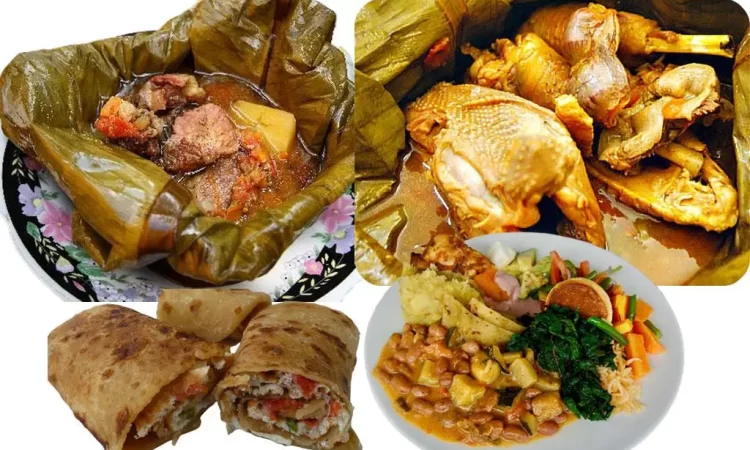
Matooke, made from green cooking bananas, is one of
Uganda’s most popular traditional foods and a nutritious option when served
with healthy accompaniments. It is commonly steamed and mashed before being
served with vegetables, beans, groundnut sauce, fish, chicken or meat. For a
balanced safari meal, choose matooke together with vegetables and a protein
source. This combination provides carbohydrates for energy alongside protein
and essential nutrients.
Beans and Other
Legumes
Beans are an important part of Ugandan cuisine and
provide a good plant-based source of protein and fiber. They are commonly
served with foods such as matooke, rice, potatoes or posho. For travelers
looking for lighter and healthier meals, beans paired with vegetables make a
satisfying option without relying heavily on meat. Other legumes and
plant-based dishes may also be available at safari lodges, particularly when
meals are prepared for international travelers with different dietary
preferences.
Fresh Vegetables
Vegetables should form an important part of your safari
diet. Safari lodges and camps often serve vegetables such as carrots,
cabbage, spinach, eggplant, green beans, tomatoes, onions and other seasonal
varieties. A plate containing vegetables, a moderate serving of carbohydrates
and a source of protein gives you a balanced meal that helps maintain energy
during long game drives and outdoor activities. When choosing meals from a
buffet, filling a good portion of your plate with vegetables is an easy way to
make healthier choices.
Avocado
Avocado is another nutritious food to enjoy during a
Uganda safari. It contains healthy fats and is often served with breakfast,
salads, sandwiches or other meals. It makes a good addition to a safari
breakfast because it pairs well with eggs, fresh fruit, whole-grain bread or
other nutritious foods. Avocado is particularly useful for travelers who want a
filling meal before spending several hours in the bush.
Eggs
Eggs are a convenient source of protein and are
commonly available at safari lodges and hotels. They may be prepared as boiled
eggs, scrambled eggs, omelets or fried eggs. A breakfast of eggs combined with
fresh fruit, vegetables and a moderate amount of bread or another carbohydrate
gives you a balanced start before an early morning game drive. Eggs are
particularly useful before activities that require more physical effort, such
as chimpanzee trekking or hiking.
Grilled Fish
Uganda has many lakes and rivers, making fish an
important part of the country's cuisine. Grilled or baked fish is a healthy
choice when compared with heavily fried preparations. Depending on the safari
destination, you may find locally sourced fish served with vegetables, rice,
potatoes or matooke. Fish provides protein and important nutrients while
offering a lighter alternative to some heavier meat dishes.
Grilled Chicken
Chicken is widely available at safari lodges and
restaurants across Uganda.
Choosing grilled, roasted or baked chicken instead of deep-fried chicken is a
simple way to make your safari meals healthier. Pair it with vegetables and a
moderate serving of rice, potatoes, or matooke for a balanced meal. Chicken is
particularly convenient for travelers who need a protein-rich meal after a long
day of wildlife viewing.
Groundnut Sauce
Groundnut sauce is a traditional Ugandan dish
prepared from ground peanuts and is enjoyed with foods such as matooke, sweet
potatoes, cassava and vegetables. Groundnuts provide protein and healthy fats,
making the sauce a nutritious addition when eaten in moderate portions. Because
groundnut sauce is relatively rich, a small serving is often enough to add
flavor and nutrients to your meal without making it too heavy.
Sweet Potatoes
and Cassava
Sweet potatoes are a good source of carbohydrates
and can provide sustained energy during a busy safari day. They are commonly
served boiled, steamed or roasted. Cassava is another traditional staple found
in Uganda. While it is mainly a source of carbohydrates, it works well as part
of a balanced meal when combined with vegetables and protein such as beans,
fish or chicken.
Healthy Safari
Snacks
Long game drives sometimes mean spending several
hours away from your lodge, so carrying suitable snacks is useful. Fresh fruit,
roasted groundnuts, unsweetened dried fruit, whole-grain crackers and energy
bars with simple ingredients are practical choices. It is also important to
carry enough drinking water. Uganda's warm climate, combined with time spent
outdoors, means staying hydrated should be part of your daily safari routine.
What to Limit on
a Uganda Safari
Enjoying local food is an important part of the
safari experience, but it helps to balance richer dishes with lighter choices.
Try not to rely heavily on deep-fried foods, very sugary drinks, excessive
sweets or large portions of heavy carbohydrates. You do not need to avoid
traditional Ugandan foods. Instead, focus on balanced portions and combine
staple foods with vegetables, fruits and protein. This allows you to enjoy
Uganda's cuisine while maintaining the energy you need for your safari
activities.
Eating Safely on
Safari
Food safety is just as important as choosing
nutritious meals. When staying at reputable safari lodges, camps and
restaurants, choose freshly prepared foods and follow the guidance provided by
your accommodation. Drink safe, treated or bottled water where recommended, and
wash your hands before eating. Freshly cooked meals are generally a good
choice, particularly when you are traveling between different safari
destinations.
A healthy diet can make your Uganda safari more comfortable
and enjoyable. Fresh tropical fruits, vegetables, matooke, beans, fish, chicken,
eggs, avocado, sweet potatoes and groundnut sauce provide plenty of nutritious
options while allowing you to experience the country's local flavors. The best
approach is to enjoy a varied diet, drink enough water, choose balanced
portions and include nutritious snacks during long days in the bush. With good
food supporting your energy levels, you can fully enjoy Uganda's wildlife,
forests, lakes, mountains and cultural experiences.