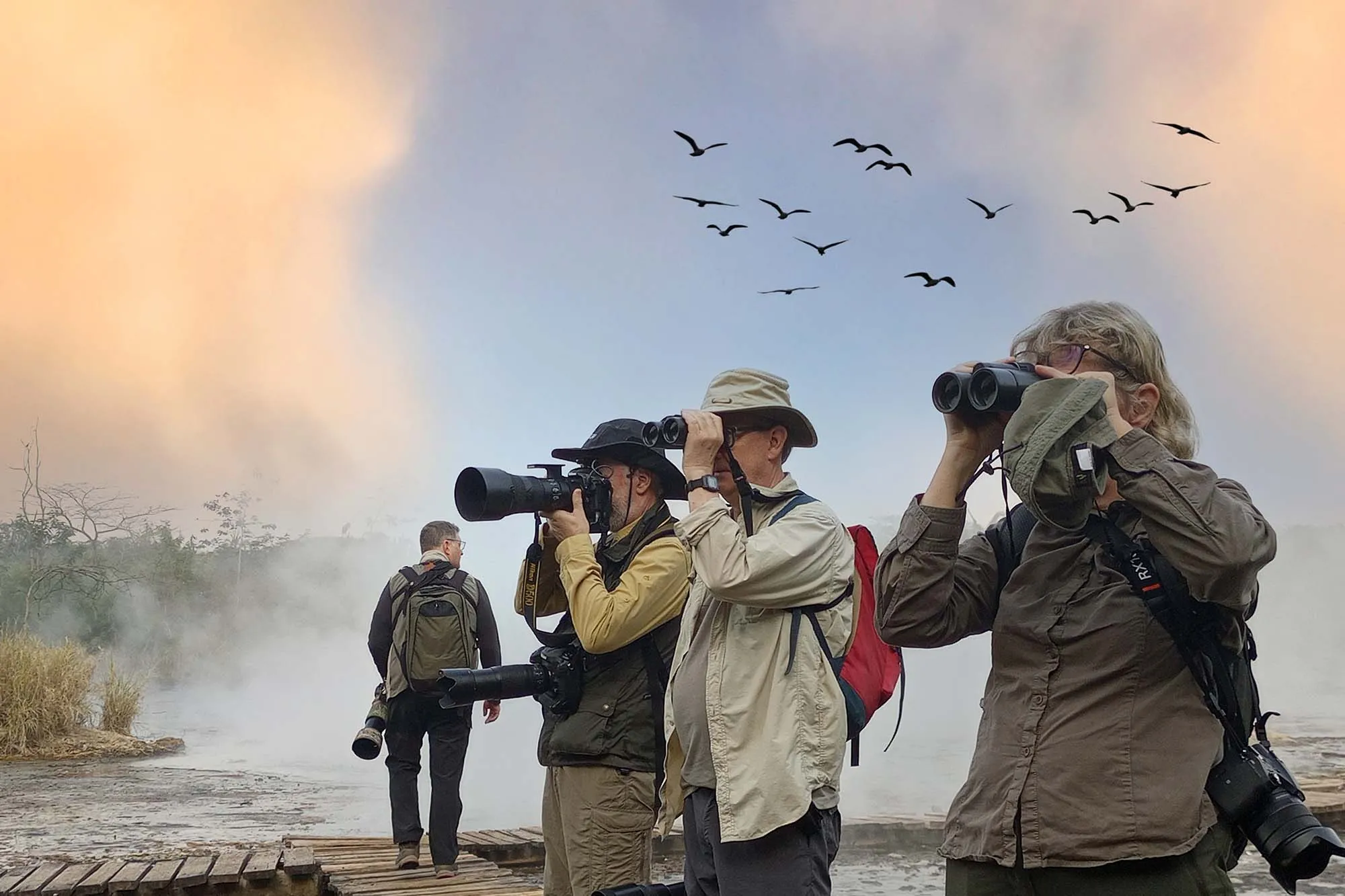

Uganda is widely known for its national parks,
mountain gorillas, chimpanzees, lions, elephants, and beautiful landscapes. Yet
beyond the wildlife and safari trails lies another side of the country that
deserves equal attention: its living culture. From traditional dances and local
food to ancient customs, craft making, music, storytelling and community life,
Uganda offers travelers opportunities to connect with the people who give its
destinations their character. A cultural journey through Uganda takes visitors
beyond sightseeing. It creates opportunities to meet communities, learn about
their traditions, understand their connection with the land and experience
everyday life from a local perspective.
Discover Uganda
through Its Many Cultures
Uganda is home to more than 50 tribes, each with its
own traditions, languages, foods, music, dances and social customs. This
cultural diversity gives every region a distinct identity. In the central
region, visitors encounter the traditions of the Baganda, while western Uganda
offers experiences connected to communities such as the Banyankole, Bakiga and
Batoro. In the north, the Acholi and Lango communities have rich traditions
expressed through dance, music, storytelling and ceremonies. Eastern Uganda
offers the cultures of communities such as the Bagisu, Basoga and Iteso. Traveling
across the country therefore becomes more than moving from one destination to
another. Each stop introduces a different part of Uganda's cultural story.
Experience
Traditional Music and Dance
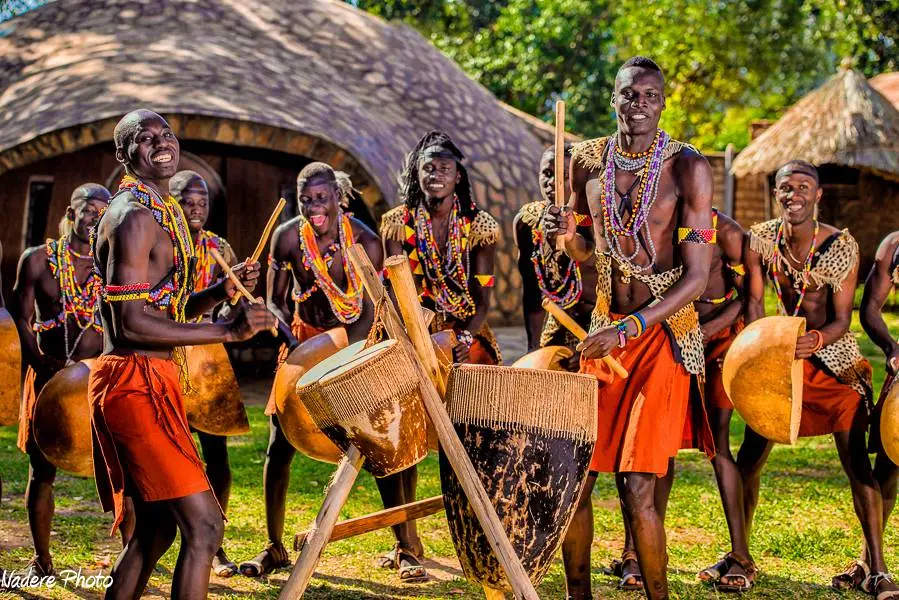
Music and dance hold an important place in Ugandan
culture. Traditional performances often bring communities together during celebrations,
ceremonies, festivals and cultural events. Visitors may encounter energetic
dances accompanied by drums, hand clapping, singing and traditional
instruments. The movements often reflect the history and identity of a
particular community. In many cultural experiences, travelers are invited to
participate rather than simply watch. Learning a few dance movements alongside
local performers creates a relaxed way to interact with the community and gain
a deeper appreciation of its traditions.
Taste Uganda through
Local Food
Food provides another window into Ugandan culture.
Traditional meals vary across regions and communities, with ingredients such as
Matooke, cassava, sweet potatoes, millet, beans, groundnuts, vegetables, beef,
chicken and fish featuring prominently in local cuisine. In western Uganda,
visitors may encounter dishes associated with Banyankole and Bakiga traditions,
while the central region has strong culinary influences from Buganda. Around
lakes and rivers, fish features prominently in many communities' diets. A local
food experience offers more than a meal. Travelers get to learn how ingredients
are grown, prepared, cooked and served while discovering the stories and
customs connected to food.
Visit Cultural
Villages and Community Projects
Cultural villages provide a direct way to explore
local traditions. These experiences often introduce visitors to traditional
homes, farming practices, crafts, cooking methods, music, dances and
storytelling. Community-based tourism projects offer another meaningful
experience. Visitors may spend time with local families, meet artisans, visit
small farms, or participate in activities such as preparing traditional food
and making crafts. These encounters give travelers a closer look at everyday
life while supporting communities through tourism income.
Explore the
Batwa Cultural Heritage
The Batwa communities have a long history connected
to the forests of southwestern Uganda. Cultural experiences around Bwindi and
Mgahinga introduce visitors to aspects of Batwa heritage, including traditional
forest knowledge, music, dance, storytelling, hunting traditions, and medicinal
plant knowledge. A Batwa cultural experience provides important historical
context for travelers visiting the gorilla destinations. It highlights the deep
relationship between indigenous communities and the forests that surround them.
These experiences should be approached respectfully, with attention to
community leadership, consent and the cultural significance of the traditions
being shared.
Discover the
Heritage of the Kingdoms
Uganda's cultural heritage includes historic
kingdoms that continue to influence community identity today. The Buganda
Kingdom, Tooro Kingdom, Bunyoro-Kitara Kingdom, Busoga Kingdom, and other
traditional institutions contribute to the country's cultural landscape. Visitors
interested in history can explore royal sites, palaces, cultural centers,
traditional architecture and stories connected to these kingdoms. The Kasubi
Tombs in Kampala, for example, hold great cultural importance to the Baganda
people and provide insight into the history of the Buganda Kingdom.
Meet Uganda's
Skilled Artisans
Ugandan crafts reflect both creativity and cultural
identity. Basket weaving, pottery, beadwork, woodcarving, bark cloth production
and traditional fabric making remain important forms of craftsmanship. Travelers
can visit craft markets and community workshops to see artisans at work.
Purchasing locally made crafts provides visitors with meaningful souvenirs
while supporting the people who produce them. A handmade basket, piece of pottery,
carved artwork, or traditional textile carries a story connected to the
community and its artistic traditions.
Learn Through
Storytelling
Before books and modern media became widespread,
oral storytelling played an important role in passing knowledge from one
generation to another. Stories preserved history, taught values, entertained
communities and explained relationships between people and the natural world. During
cultural experiences, local guides and elders may share folktales, legends,
historical accounts and stories about their communities. Listening to these
stories gives travelers a different perspective on Uganda. Instead of seeing a
destination only through its landscapes, visitors begin to understand the
beliefs, experiences and memories that have shaped its people.
Combine Culture with
a Safari
Cultural experiences fit naturally into a Ugandan
safari itinerary. A traveler visiting Queen Elizabeth National Park, for
example, may combine a game drive and Kazinga Channel boat cruise with a community
or cultural experience. A gorilla trekking trip in Bwindi can include time with
nearby communities or a Batwa cultural experience. Travelers heading toward
Murchison Falls can explore local communities along the route, while those
visiting Kidepo Valley can learn about the traditions of communities in
northeastern Uganda. Combining wildlife and culture creates a more complete
journey. The safari introduces Uganda's wildlife and landscapes, while cultural
experiences reveal the people, traditions and history connected to those
places.
Travel with
Respect for Local Communities
Cultural tourism works best when visitors approach
communities with respect and an open mind. Ask permission before taking
photographs of people, follow local guidance, respect sacred places and avoid
treating traditions as performances created solely for tourists. Choosing
community-based experiences with responsible local operators helps ensure that
tourism contributes directly to the people sharing their heritage.
Why Explore Uganda
Beyond the Safari?
Uganda's culture adds another dimension to the
country's tourism experience. Wildlife may draw travelers to its national
parks, but the people, traditions, food, music, crafts, history and stories
provide a deeper understanding of the country. A journey beyond the safari
allows visitors to meet local communities, taste traditional dishes, learn
about ancient customs, experience traditional performances and discover the
cultural identities that differ from one region to another. For travelers
looking for more than game drives and wildlife encounters, Uganda's living
culture offers a journey filled with human connection, history and discovery.