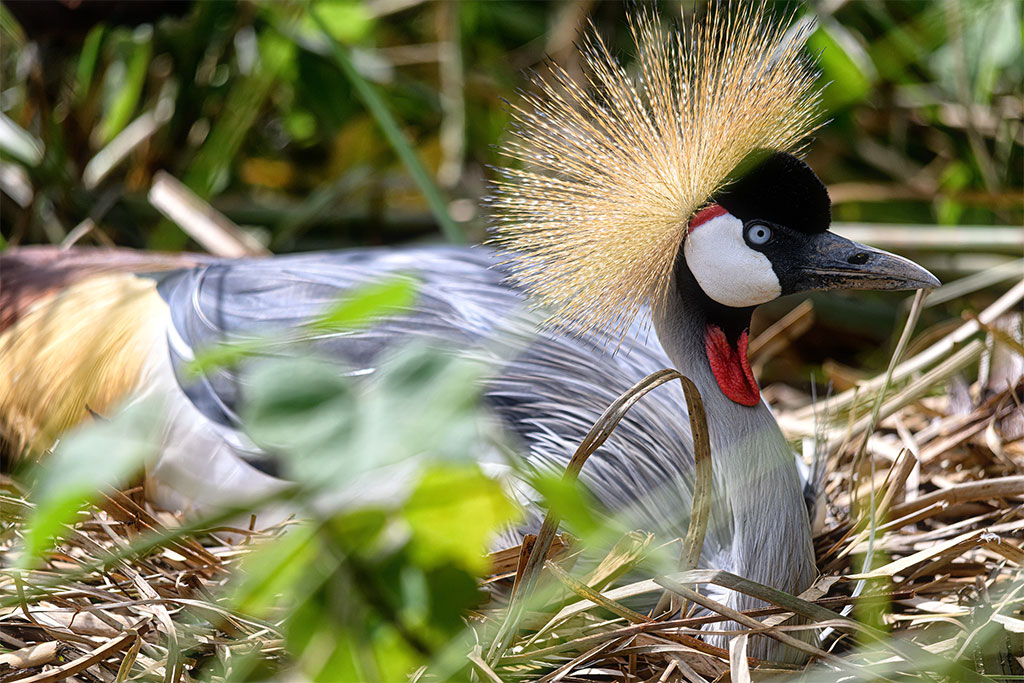

Uganda is one of Africa’s leading birdwatching
destinations, with more than 1,000 bird species recorded across its forests,
wetlands, lakes, mountains and savannahs. The country’s diverse habitats
provide excellent opportunities to see colorful forest birds, water birds,
raptors, turacos, hornbills and the famous Shoebill. Birdwatching in Uganda
offers a different experience in every destination, with each national park
supporting its own collection of species and habitats.
Queen Elizabeth
National Park
Queen Elizabeth National Park is one of Uganda’s
best destinations for birdwatching, with more than 600 bird species recorded.
The park contains savannah grasslands, forests, wetlands, crater lakes and the
famous Kazinga Channel, creating a variety of habitats for birds. A boat cruise
along the Kazinga Channel provides excellent opportunities to see water birds
such as herons, storks, kingfishers, pelicans and African fish eagles.
Birdwatchers can also encounter numerous species during game drives across the
park’s savannah plains.
The park is particularly suitable for travelers who
want to combine birdwatching with a traditional wildlife safari. While
searching for birds, visitors may encounter elephants, lions, buffaloes,
leopards and other wildlife. The combination of diverse habitats and abundant
wildlife makes Queen Elizabeth an excellent destination for both experienced
birders and travelers who are discovering birdwatching for the first time.
Murchison Falls
National Park
Murchison Falls National Park is Uganda’s largest
national park and one of the country’s important birdwatching destinations. Its
combination of savannah, woodland, riverine vegetation and wetlands supports a
wide range of bird species. The Albert Nile Delta is particularly important for
birdwatchers because its wetland environment provides suitable habitat for the
Shoebill, one of Uganda’s most sought-after birds.
Birdwatching in Murchison Falls can be combined with
game drives and boat trips along the Nile. During a boat safari, visitors can
observe birds along the riverbanks while also seeing hippos, crocodiles and
other wildlife. Game drives provide opportunities to encounter savannah species
and birds of prey. The park is therefore an excellent choice for travelers who
want to experience Uganda’s birdlife alongside its famous wildlife.
Bwindi
Impenetrable National Park
Bwindi Impenetrable National Park is famous for
mountain gorilla trekking, but it is equally valuable for birdwatching. The
ancient forest supports more than 350 bird species, including several species
associated with the Albertine Rift. Its dense vegetation, high elevation and
forest environment create ideal conditions for specialized bird species that
are difficult to find in Uganda’s savannah parks.
Birdwatching in Bwindi requires patience because
many birds remain high in the forest canopy or hidden among thick vegetation.
An experienced birding guide helps visitors identify birds through their calls
and locate species along the forest trails. Birdwatchers may encounter turacos,
sunbirds, forest flycatchers and other forest specialists. A visit to Bwindi
provides an opportunity to combine birdwatching with gorilla trekking, creating
a diverse forest experience.
Semuliki National
Park
Semuliki National Park is one of Uganda’s most
important destinations for specialist birdwatching. Located in western Uganda,
the park contains lowland tropical forest that forms part of the Guinea-Congo
biome. This gives Semuliki a different bird community from the montane forests
and savannah parks found elsewhere in the country.
The park supports hundreds of bird species,
including several species rarely encountered in other parts of East Africa.
Birdwatchers exploring its forest trails may encounter hornbills, kingfishers,
bee-eaters, sunbirds and other forest species. Semuliki is particularly
attractive to experienced birders who want to search for species associated
with Central and West African forest habitats.
Kibale National
Park
Kibale National Park is best known for its
chimpanzee population, but its tropical forest also provides excellent
birdwatching opportunities. The park supports numerous forest species, while
the nearby Bigodi Wetland Sanctuary adds another habitat for birdwatchers to
explore. This combination of forest and wetland environments provides
opportunities to see different bird species during the same visit.
The Great Blue Turaco is among the birds that
attract visitors to the Kibale area. Birdwatchers may also encounter colorful
turacos, kingfishers, sunbirds and other forest species. Kibale is an excellent
destination for travelers who want to combine birdwatching with chimpanzee
trekking and nature walks.
Mgahinga Gorilla
National Park
Mgahinga Gorilla National Park may be one of
Uganda’s smallest national parks, but its location within the Albertine Rift
gives it considerable importance for birdwatching. The park covers mountainous
terrain with forests that provide habitat for a variety of highland bird
species. Birdwatchers exploring the forest can search for sunbirds, turacos and
other species associated with montane environments.
The park works particularly well for travelers
interested in combining birdwatching with gorilla trekking or golden monkey
tracking. Its mountain environment provides a completely different birdwatching
experience from Uganda’s wetlands and savannahs, making it a useful addition to
a longer birding itinerary.
Kidepo Valley
National Park
Kidepo Valley National Park offers a very different
birdwatching experience because of its dry savannah environment and remote
location in northeastern Uganda. The park’s grasslands, valleys, rocky
landscapes and scattered woodland support bird species adapted to drier
conditions. Birdwatching here often takes place during game drives, allowing
visitors to observe birds while exploring the park’s impressive wilderness.
Kidepo is a good destination for travelers who want
to combine birdwatching with a classic African safari. The park supports a
variety of wildlife, including elephants, lions, giraffes, zebras and
buffaloes. Its remote setting also provides an opportunity to explore one of
Uganda’s less-developed safari destinations.
Lake Mburo
National Park
Lake Mburo National Park is another excellent birdwatching
destination, especially for travelers looking for a shorter safari. The park
contains grasslands, acacia woodland, wetlands and lakes, creating habitats for
a wide variety of birds. Its smaller size allows visitors to explore several
habitats within a relatively short period.
Birdwatching in Lake Mburo can take place during
game drives, nature walks and boat trips. The park is home to numerous water
birds, savannah species and birds associated with woodland habitats. Its
location also makes it convenient to combine with other destinations in western
Uganda.
Mount Elgon
National Park
Mount Elgon National Park is an excellent
destination for birdwatching in eastern Uganda, offering a combination of
montane forest, bamboo zones, moorlands and high-altitude vegetation. The park
supports a rich variety of bird species, including several birds associated
with the Afro-montane forests of eastern Africa. Birdwatchers exploring the
forest trails may encounter African crowned eagles, Jackson’s francolins, mountain
buzzards, sunbirds, turacos and other forest species.
Birdwatching in Mount Elgon often involves hiking
through different vegetation zones, giving visitors opportunities to observe
birds at different elevations. The park is particularly appealing to travelers
who enjoy combining birdwatching with mountain hiking and nature exploration.
Its location near the Kenya border also makes it a useful destination for
birdwatchers exploring eastern Uganda and the wider Mount Elgon region.
Best Time for
Birdwatching in Uganda
Birdwatching in Uganda is possible throughout the year because many species are resident. The period from June to September generally provides good conditions for exploring national parks because rainfall is lower in many areas. December to February also offers favorable conditions for wildlife and birdwatching. The wetter months remain rewarding because vegetation becomes lush and bird activity can increase, although heavy rainfall may sometimes make forest trails and roads more challenging.
For travelers specifically interested in migratory
birds, the months when Palearctic migrants are present provide additional
opportunities to expand the bird list. The best time ultimately depends on the
species and habitats you want to explore.
Tips for
Birdwatching in Uganda
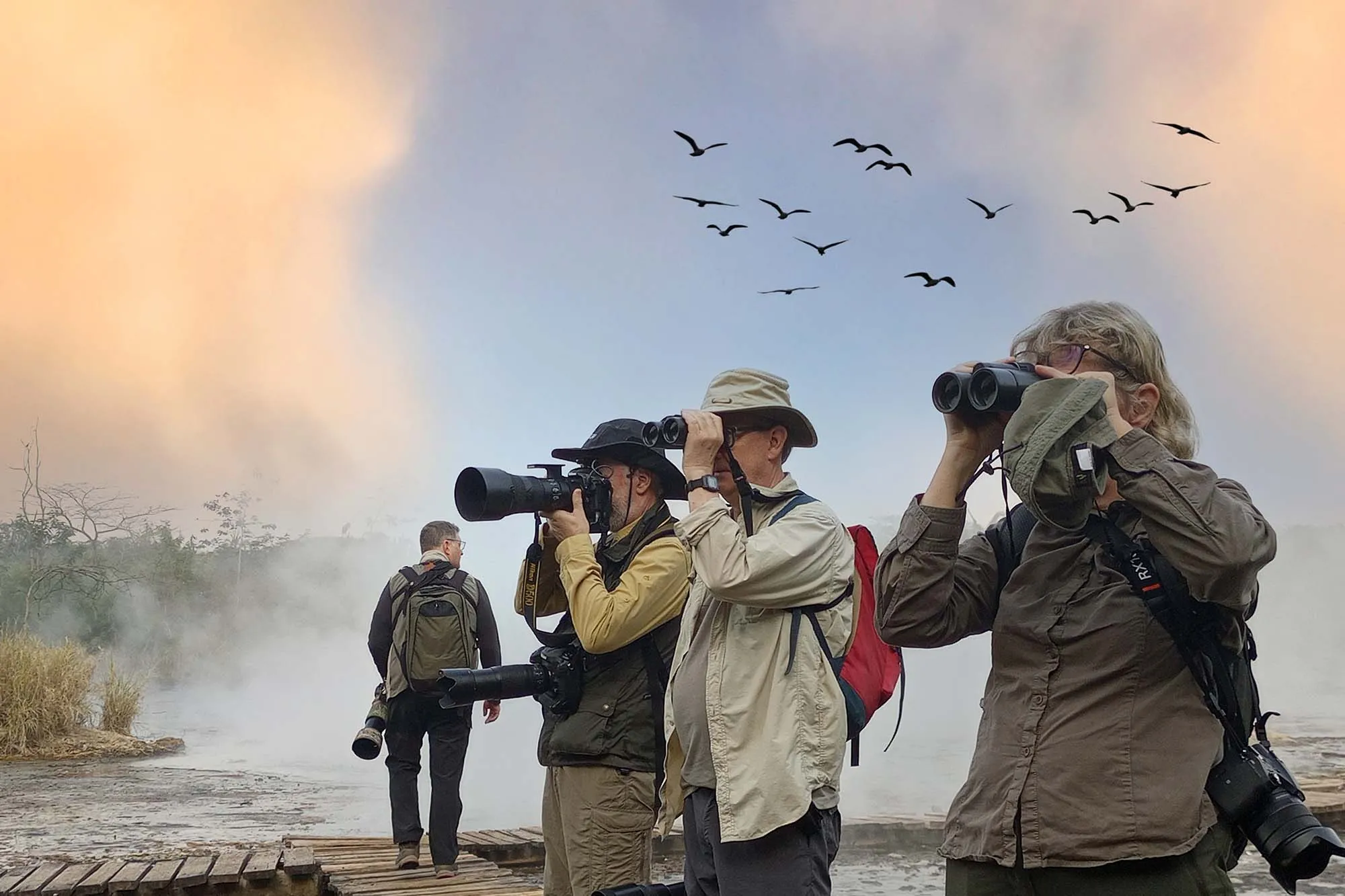
A successful birdwatching safari starts with the
right equipment and preparation. Carry a good pair of binoculars, a camera with
a suitable zoom lens, comfortable walking shoes, lightweight clothing, a hat,
sunscreen, insect repellent and drinking water. A field guide or bird
identification application also helps when recording sightings.
Hiring an experienced birding guide is highly
recommended because many birds are easier to identify through their calls than
by sight. Local guides know the habitats, feeding areas and trails where
particular species are commonly found. They also understand how to approach
birds without disturbing them, making the experience more productive.
Uganda’s national parks provide birdwatchers with an
impressive variety of habitats and species. Queen Elizabeth offers rich
savannah and wetland birding, Murchison Falls provides opportunities to search
for the Shoebill, Bwindi and Mgahinga are ideal for Albertine Rift species,
while Semuliki offers access to unique lowland forest birds. Kibale, Kidepo and
Lake Mburo add further opportunities for forest, savannah and wetland
birdwatching.
For the best experience, choose destinations
according to the species and habitats that interest you most, allow enough time
for early-morning birding, and travel with a knowledgeable guide. Uganda’s
combination of forests, wetlands, mountains and savannahs makes it an excellent
destination for anyone looking to explore Africa through birdwatching.