
1. Why Choose
Tanzania for a Safari
A
Tanzania
Safari tour is one of the best ways to experience Africa’s wildlife,
landscapes, and conservation areas. The country is home to some of the
continent’s most famous national parks and game reserves, offering excellent
opportunities to see animals in their natural habitats. A Tanzania Safari tour
combines wildlife viewing, cultural experiences, birdwatching, and photography
opportunities across diverse ecosystems. Visitors can enjoy vast plains,
volcanic craters, rivers, wetlands, and woodlands that support a wide range of
species. Whether you are planning your first safari or returning for another
African wildlife holiday, Tanzania offers destinations suitable for different
budgets, travel styles, and interests while maintaining a strong reputation for
wildlife conservation.
2. Best Time to
Visit Tanzania
Selecting
the right season is important when planning a Tanzania
Safari tour. The dry season from June to October is generally considered the
best period for a Tanzania Safari tour because wildlife is easier to spot
around rivers and waterholes. During these months, vegetation is less dense and
animals gather in predictable locations. The green season from November to May
offers fewer visitors, lower accommodation rates, and excellent birdwatching
opportunities. Some travelers prefer this period because landscapes appear
greener and many animals give birth. Understanding seasonal wildlife movements
helps travelers choose the most suitable time for their safari experience.
3. Serengeti
National Park
The
Serengeti is the most famous destination included in many Tanzania Safari tour
itineraries. Known for its vast plains and abundant wildlife, the park attracts
visitors from around the world every year. A Tanzania Safari tour in the
Serengeti provides opportunities to see lions, leopards, cheetahs, elephants,
buffaloes, giraffes, and numerous antelope species. The park is also well known
for the Great Migration, where millions of wildebeest and zebras move across
the ecosystem in search of grazing areas. The Serengeti offers exceptional
wildlife viewing throughout the year, making it a cornerstone of Tanzania’s
safari industry.
4. Ngorongoro
Crater
A
Tanzania Safari tour often includes the Ngorongoro
Crater, one of Africa’s most remarkable wildlife destinations. Formed by a
collapsed volcano, the crater supports a high concentration of wildlife within
a relatively small area. Visitors on a Tanzania Safari tour frequently see
elephants, lions, buffaloes, zebras, wildebeest, and hippos during a single
game drive. The crater is also one of the best places to search for the
endangered black rhino. Its combination of wildlife density and dramatic
scenery makes it one of Tanzania’s most visited protected areas.
5. Tarangire
National Park
Tarangire
National Park is another excellent destination featured in a Tanzania Safari
tour. The park is particularly famous for its large elephant herds and
impressive baobab trees. A Tanzania Safari tour in Tarangire offers visitors
opportunities to see predators, giraffes, zebras, buffaloes, and many antelope
species. During the dry season, animals gather around the Tarangire River,
creating productive wildlife viewing opportunities. The park generally receives
fewer visitors than the Serengeti and Ngorongoro, making it attractive for
travelers seeking quieter game-viewing experiences.
6. Lake Manyara
National Park
Many
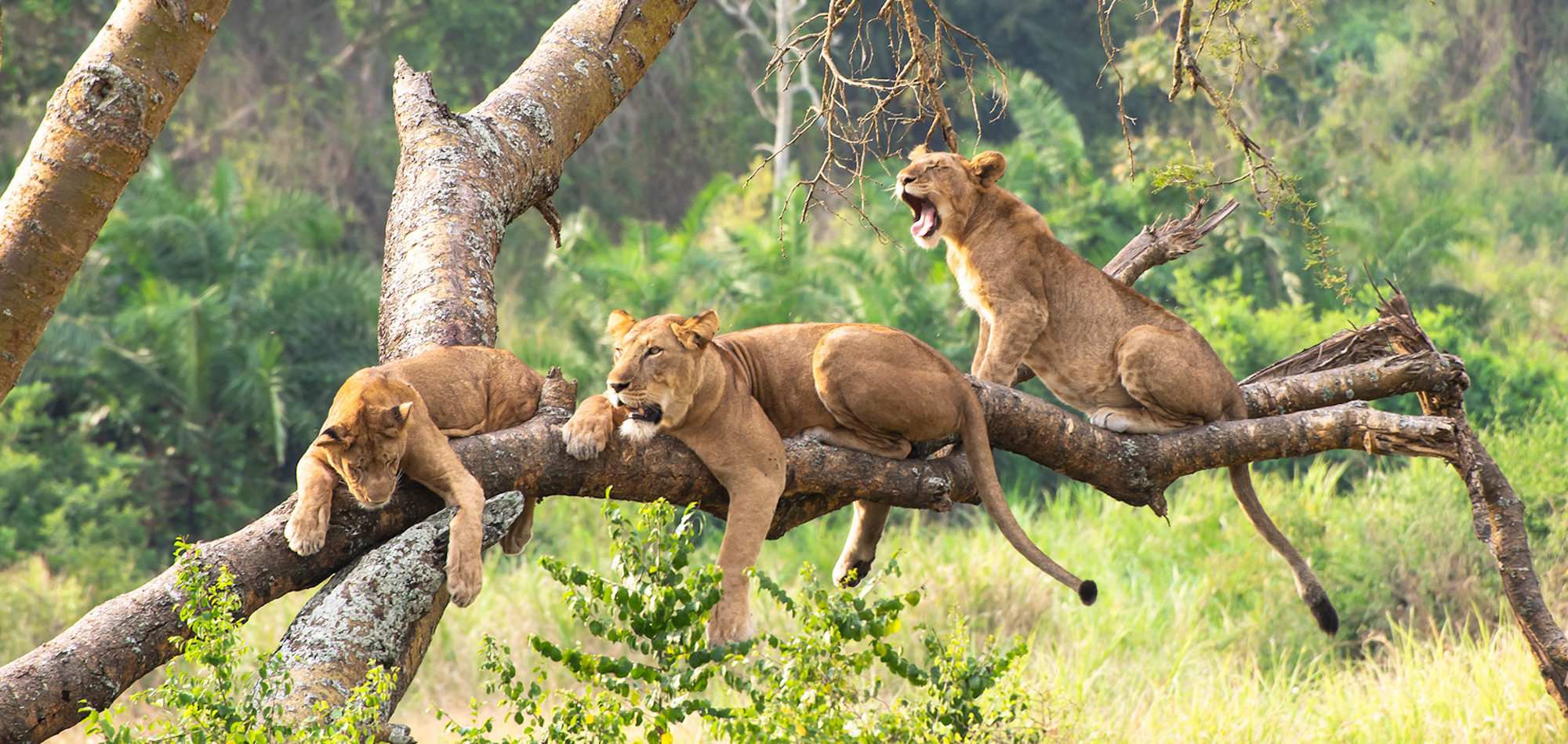
travelers include Lake Manyara in their Tanzania
Safari tour because of its diverse wildlife and beautiful surroundings. A Tanzania
Safari tour to this park often includes sightings of elephants, baboons,
hippos, giraffes, and numerous bird species. The park is also known for its
tree-climbing lions, although sightings can never be guaranteed. Lake Manyara
supports a variety of habitats including forests, wetlands, and open areas that
attract different wildlife species. Its location along the northern safari
circuit makes it a convenient addition to many itineraries.
7. The Great Migration
The
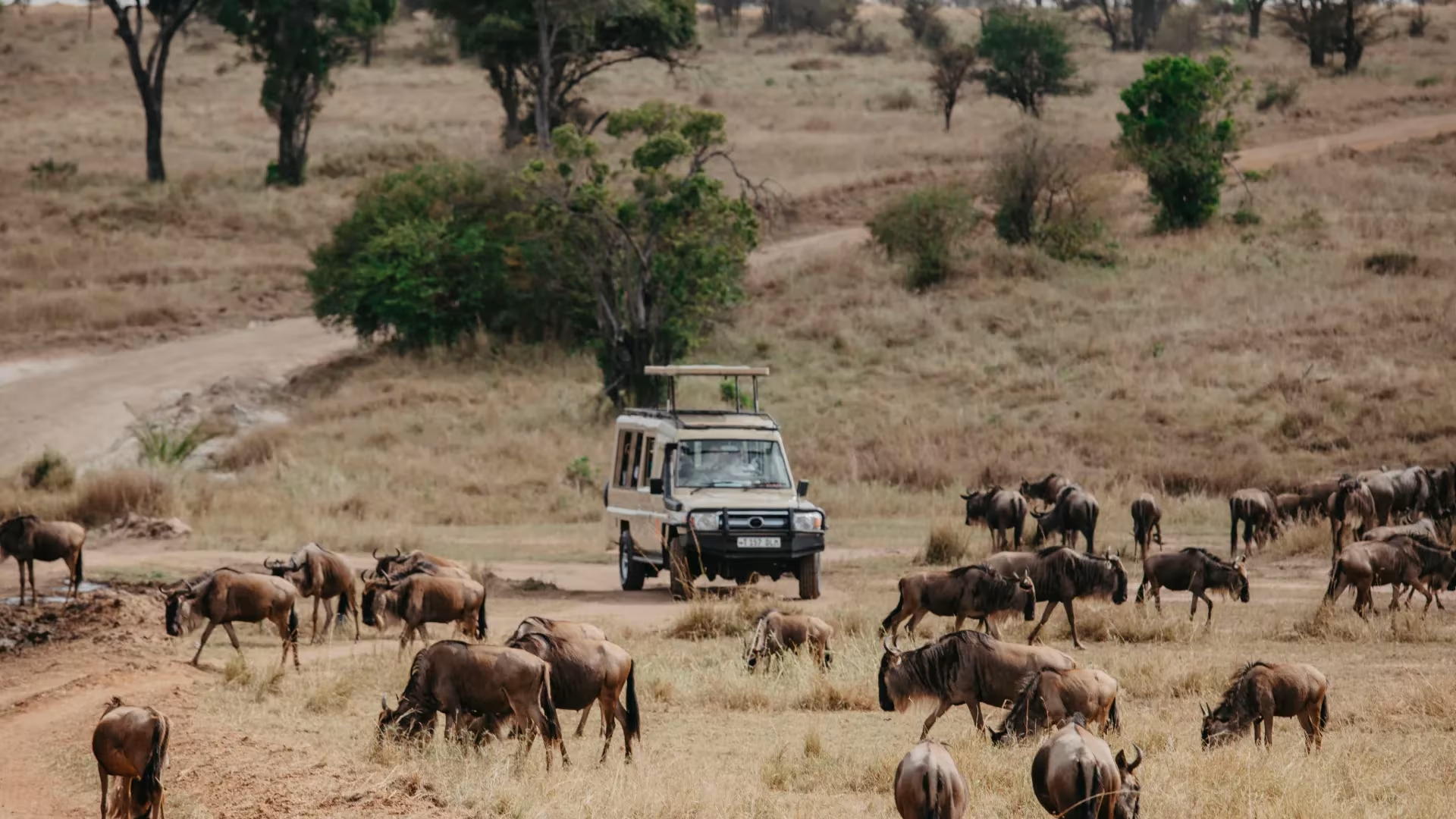
Great Migration is one of the main reasons people book a Tanzania Safari tour.
This annual movement of wildebeest, zebras, and other grazing animals creates
some of the most impressive wildlife spectacles in Africa. A Tanzania Safari
tour focused on the migration allows visitors to witness river crossings,
predator interactions, and large wildlife concentrations. The migration moves
across different sections of the Serengeti throughout the year, meaning the
best viewing locations vary by season. Careful itinerary planning helps
maximize opportunities to observe this natural event.
8. Wildlife You
Can Expect to See
A
major attraction of a Tanzania Safari tour is the diversity of wildlife across
the country’s parks and reserves. Depending on the safari destinations
selected, a Tanzania Safari tour can include sightings of lions, leopards,
elephants, buffaloes, rhinos, cheetahs, giraffes, zebras, hippos, crocodiles,
and many antelope species. Tanzania also supports hundreds of bird species,
making it a strong destination for birdwatchers. Different parks offer
different wildlife strengths, encouraging travelers to combine multiple
destinations for a broader safari experience.
9. Safari
Activities Available
A
Tanzania Safari tour offers various activities beyond traditional game drives.
Visitors can enjoy walking safaris, hot air balloon rides, cultural visits,
birdwatching excursions, and photographic safaris. These activities make a Tanzania
Safari tour suitable for different types of travelers. Hot air balloon safaris
over the Serengeti provide aerial views of wildlife and landscapes, while
guided walks offer opportunities to learn about tracks, plants, and smaller
species. Combining different activities creates a more complete understanding
of Tanzania’s ecosystems and wildlife.
10.
Accommodation Options
Accommodation
is an important consideration when planning a Tanzania
Safari tour. Travelers can choose from luxury lodges, tented camps,
mid-range safari properties, and budget accommodation. A Tanzania Safari tour
can therefore suit a wide range of budgets and preferences. Luxury camps often
provide exclusive services and premium locations close to wildlife areas, while
budget options allow more affordable access to Tanzania’s parks. Selecting
accommodation close to planned safari activities helps maximize time spent
viewing wildlife and reduces travel distances between destinations.
11. Travel Costs
and Planning
Understanding
costs is essential when organizing a Tanzania Safari tour. The total cost of a Tanzania
Safari tour depends on accommodation, transportation, park fees, activities,
and travel season. Luxury safaris naturally cost more, while group safaris and
budget lodges can help reduce expenses. Booking in advance is often
recommended, especially during peak wildlife viewing periods. Travelers should
compare safari packages carefully and ensure that park fees, transfers,
accommodation, and activities are clearly included in the quoted price before
confirming their bookings.
12. Planning the
Perfect Tanzania Safari
The
best Tanzania Safari tour starts with defining your travel goals, budget, and
preferred wildlife experiences. Many visitors combine the Serengeti, Ngorongoro
Crater, Tarangire, and Lake Manyara for a well-rounded Tanzania Safari tour.
Some travelers also extend their safari with a beach holiday in Zanzibar.
Considering travel seasons, wildlife movements, accommodation standards, and
transportation options helps create a smooth itinerary. Working with an experienced
safari company can simplify planning and maximize wildlife viewing
opportunities. With world-class national parks and remarkable wildlife
diversity, Tanzania remains one of Africa’s leading safari destinations.
Other places to
visit for a Tanzania safari
Beyond
the Serengeti, Ngorongoro Crater, Tarangire, and Lake Manyara, a Tanzania
safari can include several other rewarding destinations. Ruaha National Park is
known for its large elephant populations and predator sightings, while Nyerere
National Park (formerly part of Selous Game Reserve) offers game drives, boat
safaris, and walking safaris in one of Africa's largest protected areas. Mahale
Mountains National Park and Gombe Stream National Park are excellent for
chimpanzee tracking along the shores of Lake Tanganyika. Arusha National Park
provides opportunities to see giraffes, buffaloes, zebras, and Mount Meru, making
it ideal for short safaris. For travelers seeking a combination of wildlife and
relaxation, Zanzibar Island offers beautiful beaches, cultural sites, and
marine activities, making it a perfect extension after a Tanzania safari
adventure.