
The gorilla habituation experience in Uganda offers
a unique opportunity to spend more time observing mountain gorillas in their
natural habitat. Unlike standard gorilla trekking, which allows one hour with a
gorilla family, habituation gives visitors up to four hours to observe the
gorillas while learning about their behavior and conservation. This experience
takes place in Bwindi Impenetrable National Park, one of Uganda's leading
wildlife destinations. It is ideal for travelers who want to learn more about
mountain gorillas and participate in a conservation-focused wildlife
experience.
What Is the
Gorilla Habituation Experience?
Gorilla habituation is the process of gradually
helping Wild Mountain gorillas become accustomed to the presence of humans
without changing their natural behavior. Researchers, trackers and conservation
teams visit the gorilla families regularly until the animals become comfortable
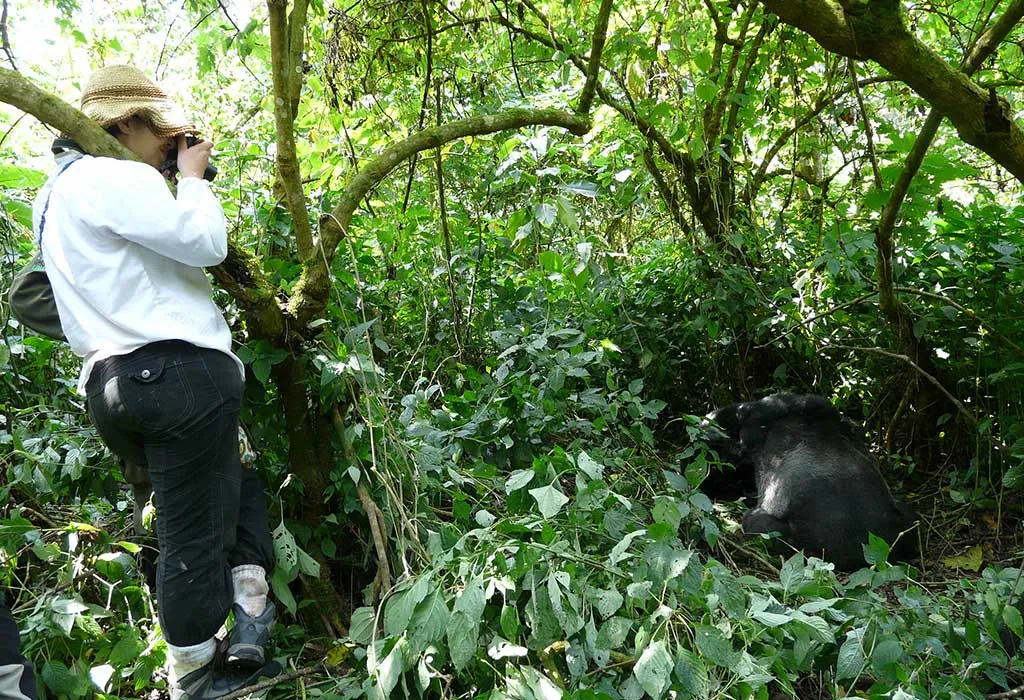
with their presence. During the gorilla habituation experience, visitors
accompany experienced trackers and researchers into the forest to observe
gorillas that are still undergoing this process. You may see them feeding,
resting, playing, grooming and interacting with other members of their family. The
experience allows visitors to spend up to four hours with the gorillas,
providing more time to learn about their daily activities and conservation.
However, these gorillas are still becoming accustomed to humans, so their behavior
may be less predictable than that of fully habituated groups.
Where Is Gorilla
Habituation Done in Bwindi?
Gorilla habituation takes place in the Rushaga
sector of Bwindi Impenetrable National Park, located in southwestern Uganda
near the border with Rwanda. Rushaga is in the southern part of the park and is
known for its mountain gorilla population and habituation experience. The
activity is managed under the guidance of the Uganda Wildlife Authority, which
controls permits and visitor access. Travelers interested in gorilla
habituation should book a permit for Rushaga specifically because the
experience is not offered in every sector of Bwindi. It is advisable to confirm
the designated sector and available permits before arranging accommodation and
transport.
What Is the Best
Time for Gorilla Habituation in Bwindi?
Gorilla habituation is available throughout the
year, but the drier months are generally preferred because forest trails are
easier to navigate. June to September is a popular period for visiting Bwindi,
while December to February also offers favorable conditions for trekking.
During these months, rainfall is often lower, although showers can occur at any
time in the forest.
March to May and October to November are generally
wetter months. Trails may become muddy and slippery, making the hike more
challenging. However, visitors can still enjoy the experience during these
periods with suitable clothing and preparation. It is advisable to book your
permit several months in advance, particularly if you plan to travel during the
peak season.
How to Get to
Bwindi for Gorilla Habituation
There are several ways to reach the Rushaga sector
of Bwindi Impenetrable National Park. By road from Kampala or Entebbe: travelers
can drive from Kampala or Entebbe towards southwestern Uganda through towns
such as Mbarara and Kabale before continuing towards Rushaga. The journey
usually takes most of the day, so it is advisable to travel a day before the
habituation experience.
By road from Kigali, Rwanda: Visitors arriving
through Kigali International Airport can travel by road towards southwestern
Uganda and cross into Uganda through an appropriate border crossing. This route
can provide a shorter journey to Rushaga than travelling from Entebbe, depending
on road conditions and the chosen border crossing. Ensure you meet Uganda's
entry requirements before travelling.
By air: travelers can arrange a domestic flight from Entebbe or Kajjansi to Kisoro, followed by a road transfer to the Rushaga sector. Flight schedules and onward transport should be confirmed before booking. For a smooth journey, consider arranging transport with a tour operator familiar with Bwindi. A four-wheel-drive vehicle is recommended, particularly during rainy periods when some access roads become difficult to navigate.
What to Wear for
Gorilla Habituation
Choosing the right clothing is important because
gorilla habituation involves walking through dense forest with steep slopes,
thick vegetation and potentially muddy trails.
Wear long-sleeved shirts and long trousers to
protect your skin from scratches, insects and stinging plants. Neutral colours
such as green, brown and khaki are suitable for forest activities.
Sturdy waterproof hiking boots with good grip are
essential for navigating slippery and uneven trails. Gardening or trekking
gloves can protect your hands when holding vegetation for support.
Carry a lightweight rain jacket because Bwindi
receives rainfall throughout the year. A hat, comfortable hiking socks and a
small backpack are also useful.
Other important items include drinking water, a
packed lunch, insect repellent and a camera with spare batteries. Hiring a
porter is helpful because they can carry your bag and assist you on challenging
sections of the trail.
What Is the Age
Limit for Gorilla Habituation?
The minimum age for gorilla habituation in Uganda is 15 years. This requirement helps ensure that participants can follow instructions and understand the rules for responsible gorilla viewing. Families travelling with children should confirm the age requirements when booking their permits. Children below the permitted age cannot participate in the habituation experience. Travelers should also consider the physical demands of the activity. Gorilla habituation may involve several hours of walking through steep, uneven and muddy terrain, so participants should be reasonably fit and prepared for a challenging hike.
Is It Safe to Go
for Gorilla Habituation?
Yes, gorilla habituation is conducted under established safety procedures, with trained guides, trackers and park rangers accompanying visitors. However, because the gorillas are still undergoing habituation, their reactions may be less predictable than those of fully habituated gorilla families. Before entering the forest, visitors receive a briefing on how to behave around gorillas. It is important to follow the instructions of the guides throughout the experience. Visitors should remain calm, avoid sudden movements, keep their voices low and never attempt to touch or approach the gorillas. Maintain the distance instructed by your ranger, and never run if a gorilla approaches.
Anyone feeling unwell, particularly with symptoms of a contagious respiratory illness, should inform the park authorities before the activity. Gorillas are vulnerable to human diseases, so health precautions are important for their protection. Although safety measures reduce the risks, gorilla habituation takes place in a wild environment and cannot be considered completely risk-free. Following the guidance of the experienced team helps protect both visitors and gorillas.
Where to Sleep
During Gorilla Habituation in Bwindi
Choosing accommodation near the Rushaga sector is
important because the habituation experience starts early in the morning.
Staying nearby allows you to reach the briefing point on time without a long
drive.
Rushaga offers accommodation options ranging from
luxury lodges to midrange establishments and budget guesthouses. Luxury travelers
can look for lodges offering comfortable rooms, forest views, restaurants and
relaxing spaces after a long day of trekking. Midrange lodges provide a balance
of comfort and affordability, while budget accommodation offers simpler rooms
for travelers who want to manage their safari costs.
You may also find accommodation around Kisoro,
although the journey to the Rushaga briefing point should be considered when
choosing where to stay. It is best to arrive the day before your habituation
experience and spend the night near the sector. When booking, confirm the
lodge's location and the time needed to reach the starting point in the
morning.
The gorilla habituation experience in Bwindi offers
a special opportunity to spend up to four hours observing mountain gorillas
while learning about their behavior and conservation. Conducted in the Rushaga
sector, it is an excellent option for travelers seeking a longer and more
educational wildlife encounter. Planning ahead is essential. Book your permit
early, choose accommodation near Rushaga, prepare suitable hiking clothing and
follow all instructions from the park guides. With the right preparation,
gorilla habituation provides a deeper understanding of Uganda's mountain
gorillas and the conservation work that protects them in their natural forest
home.