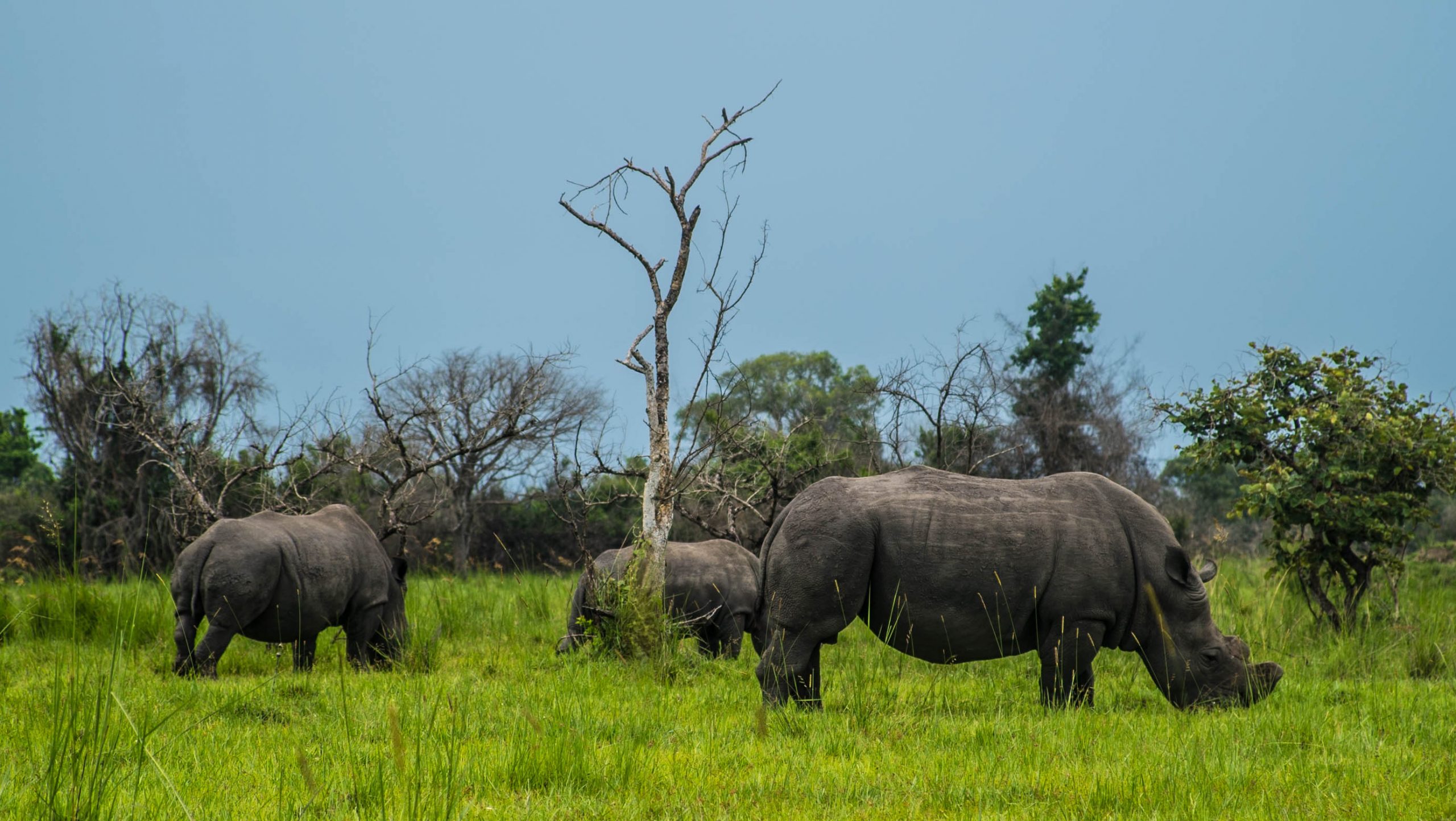

Ziwa Rhino Sanctuary is the only place in Uganda
where visitors can track wild rhinos on foot. Located in Nakasongola District,
about 176 km north of Kampala, it plays a vital role in rhino conservation. The
sanctuary offers a unique safari experience, combining wildlife viewing with
conservation education. Timing your visit is crucial because weather patterns
and seasonal changes affect both the rhinos’ behavior and visitor comfort. The
best time to visit depends on whether you prioritize clear trekking conditions,
lush scenery, or fewer crowds. Understanding Uganda’s climate cycles helps
travelers plan effectively and maximize their safari experience at Ziwa Rhino
Sanctuary.
1. Dry Season
Advantage (June–September)
The long dry season from June to September is widely
considered the best time to visit Ziwa Rhino Sanctuary. During these months,
trails are dry and easy to navigate, making rhino tracking more comfortable.
Visibility is excellent, as vegetation is thinner, allowing clear views of
rhinos and other wildlife. The weather is generally sunny, with minimal
rainfall, reducing the risk of muddy paths. This season also coincides with
peak safari months across Uganda, meaning travelers can combine Ziwa with
visits to Murchison Falls or Queen Elizabeth National Park. However, because it
is a popular time, accommodation and permits should be booked well in advance
to avoid disappointment.
2. Short Dry
Season (December–February)
Another excellent period to visit Ziwa Rhino
Sanctuary is the short dry season from December to February. This time offers
similar advantages to June–September, with dry trails and good visibility. The
weather is warm, and rhino tracking is enjoyable without the challenges of
heavy rains. Birdwatchers particularly enjoy this season, as migratory species
arrive, adding diversity to the sanctuary’s birdlife. It is also a great time
for family travel, coinciding with school holidays. While not as crowded as the
long dry season, it is still advisable to book early. Combining Ziwa with
gorilla trekking in Bwindi or chimpanzee tracking in Kibale makes
December–February a rewarding safari itinerary.
3. Green Season
Charm (March–May)
The rainy season from March to May transforms Ziwa
Rhino Sanctuary into a lush, green paradise. Although trails can be muddy and tracking
more challenging, the scenery is spectacular. This period is ideal for
photographers who want vibrant landscapes and dramatic skies. It is also the
birthing season for many animals, so visitors may spot young rhinos and other
wildlife. Birdwatching is exceptional, with numerous species active during the
rains. Another advantage is affordability lodges and safari packages are often
discounted, and crowds are fewer. Travelers who don’t mind occasional showers
will find March–May a rewarding time to experience Ziwa’s natural beauty in a
quieter, more intimate setting.
4. Short Rains
(October–November)
October and November mark Uganda’s short rainy
season, offering a balance between dry and wet conditions. Rainfall is lighter
compared to March–May, making rhino tracking manageable with proper gear. The
sanctuary’s vegetation is fresh and green, providing beautiful photographic
opportunities. Fewer tourists visit during this time, so the experience feels
more exclusive. Prices are lower, and lodges often have more availability.
Birdwatchers benefit from increased activity, while wildlife sightings remain
good. Travelers who prefer solitude and don’t mind occasional showers will
appreciate visiting Ziwa during October–November. It is a great choice for those
seeking value and a more relaxed safari atmosphere without the peak-season
crowds.
5. Rhino
Behavior and Seasonal Impact
Rhinos at Ziwa are generally visible year-round, but
their behavior changes with the seasons. During dry months, they often gather
near water sources, making sightings predictable and rewarding. In rainy
seasons, rhinos disperse more widely due to abundant water and vegetation,
which can make tracking slightly harder. However, the lush environment enhances
the overall safari experience. Guides at Ziwa are skilled at locating rhinos
regardless of season, ensuring visitors have memorable encounters.
Understanding these behavioral patterns helps travelers choose the right time
based on their preferences whether they want guaranteed sightings in dry months
or a more adventurous, scenic trek during the rains.
6. Combining
Ziwa with Other Safaris
The timing of your visit to Ziwa Rhino Sanctuary can
align with broader Uganda safari itineraries. Dry seasons (June–September,
December–February) are perfect for combining rhino tracking with gorilla
trekking, chimpanzee tracking, or game drives in Murchison Falls National Park.
Rainy seasons (March–May, October–November) are better for travelers seeking
discounted packages and fewer crowds. Ziwa’s location along the route to
Murchison Falls makes it an ideal stopover, regardless of season. By planning
strategically, visitors can enjoy rhinos at Ziwa while experiencing Uganda’s
diverse wildlife and landscapes. The sanctuary’s flexibility ensures it remains
a worthwhile destination throughout the year.
7. Final
Recommendation
The best time to visit Ziwa Rhino Sanctuary
ultimately depends on traveler priorities. For comfort, clear trails, and
guaranteed sightings, the dry seasons (June–September, December–February) are
ideal. For lush scenery, birdwatching, and budget-friendly safaris, the rainy
seasons (March–May, October–November) offer unique advantages. Regardless of
timing, Ziwa provides an unforgettable experience, combining conservation with
adventure. Visitors should plan ahead, pack appropriately for the season, and
consider combining Ziwa with other Ugandan safari highlights. Whether you seek
exclusivity, affordability, or peak wildlife encounters, Ziwa Rhino Sanctuary
remains a must-visit destination year-round, enriching any Uganda safari
holiday with its rare and remarkable rhino tracking experience.