
Did you know Kampala, Uganda’s
bustling capital, is more than just a gateway to safari adventures it’s a
vibrant city brimming with culture, history, and energy? From climbing the
towering minaret of the Uganda National Mosque for panoramic views, to enjoying
traditional dance at the Ndere Cultural Centre, the city offers unforgettable
experiences. Food lovers can savor a street‑side Rolex, while nightlife seekers
dive into buzzing clubs along Acacia Avenue. History unfolds at the Kasubi
Tombs and Mengo Palace, while markets like Nakasero and Owino immerse visitors
in daily life. Add serene stops at the Baha’i Temple or the Uganda Museum, and
Kampala becomes a dynamic complement to any safari holiday, blending adventure
with authentic urban charm
1. Climb the
Uganda National Mosque
Known as the Gaddafi Mosque, this
stunning landmark sits atop Old Kampala Hill and offers the best panoramic
views of the city. For a small fee, you can climb the minaret's 272 steps for
breathtaking 360-degree vistas of Kampala's green hills and terracotta rooftops.
The mosque itself, completed in 2007 with support from Libya, is an architectural
masterpiece with a stunning stained-glass-lit main hall that hosts tens of
thousands of worshippers every Friday. Guided tours led by knowledgeable
volunteers explain the mosque's rich history and its societal significance in
Uganda. Remember to dress modestly and bring a scarf for entry.
2. Watch a
Performance at Ndere Cultural Centre
Uganda’s most famous cultural
troupe performs at this open-air, village-style venue on Sundays, Wednesdays,
and Fridays. The Ndere Centre is a dazzling spectacle of energetic drumming,
movement, and ululating, with dancers clad in colorful costumes performing
dozens of traditional songs and dances representing Uganda's diverse tribes.
The evening is brought to life by the troupe's charismatic founder, who engages
the crowd with his signature dry Ugandan wit. The show offers an immersive
crash course in Ugandan culture. For budget travellers, the outdoor grounds are
also free to explore on Sundays when rehearsals spill into the open air.
3. Sample a
Rolex Street Food
Don't leave Kampala without trying Uganda's favorite street food: the
"rolex" (a play on "rolled eggs"). This bargain snack
features a thick, freshly grilled chapati wrapped around a hot omelette with
chopped tomatoes, peppers, and onions. Influenced by Indian and local flavors,
it's a culinary staple enjoyed at any time of day. Upscale restaurants have
added gourmet twists with ingredients like feta cheese or chicken curry, but
the most authentic experience is at a roadside stall. For the best variety,
head to the legendary "Rolex Guy" tucked down a lane in the Muyenga
neighborhood.
4. Explore
Kampala's Vibrant Nightlife
Kampala boasts one of East Africa's most dynamic nightlife scenes, with clubs
and bars that often stay open until sunrise. Start your evening in the trendy
Industrial Area, hopping between stylish venues, or ascend the Golden
Hill Restaurant and Lounge in Muyenga for stunning city views at dusk. For
a more upscale vibe, head to the Kololo neighborhood, famous for its
fashionable bars, rooftop lounges, and live music. Acacia Avenue is a bustling
strip of expat-favorite bars, and Casablanca Pub & Restaurant is a popular
spot to keep the party going well into the early hours.
5. Experience a
Boda-Boda Ride
The quickest way to navigate
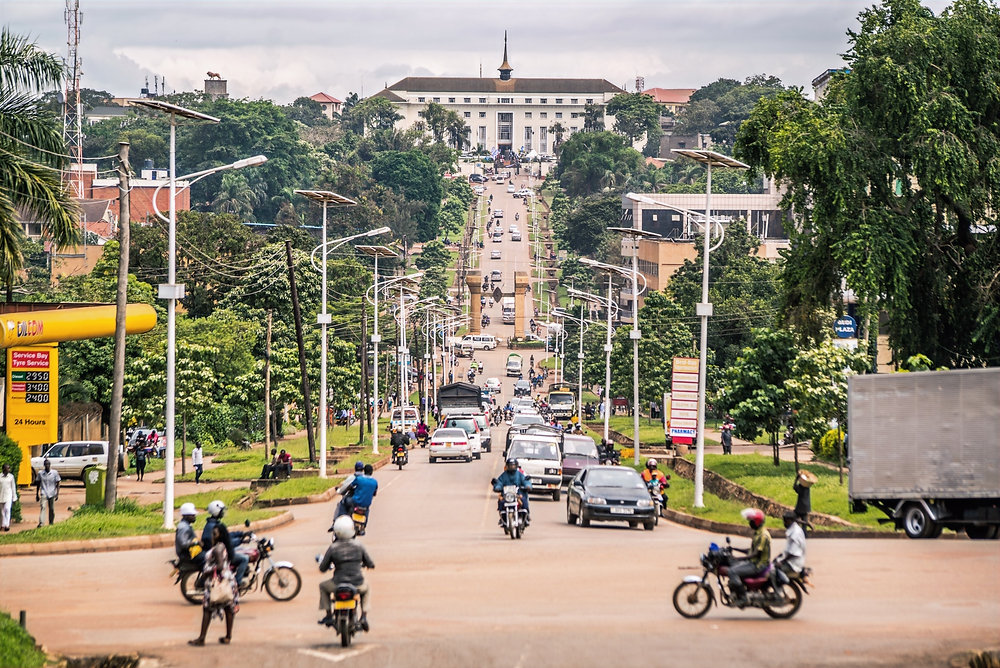
Kampala's famously gridlocked streets is to hop on a boda-boda (motorbike taxi).
These enterprising drivers weave through traffic and narrow alleys to whisk you
across town in record time. The ride is an exhilarating, hair-raising
experience as you cling to your driver while the city whizzes by. For a safer
and more regulated option, use ride-hailing apps like SafeBoda or Uber, which
offer up-front fares, trackable rides, and provide helmets for passengers,
making the adrenaline-fueled journey a bit more secure.
6. Visit the
Kasubi Tombs
This UNESCO World Heritage Site is the burial ground of four Buganda kings and
is one of Kampala's most significant historical locations. The tombs are a
sacred place of immense cultural importance to the Ganda people. Constructed
using traditional materials like wood, thatch, and reeds, the main building is
an architectural marvel. A guided tour provides deep insights into Buganda
traditions, royal history, and the spiritual significance of this site. It offers
a fascinating look at the pre-colonial heritage of the region and stands as a
powerful symbol of the kingdom's resilience. Note that the site is currently
undergoing reconstruction after a fire.
7. Wander
Nakasero Market
For a sensory overload, head to
Nakasero Market at the base of Nakasero Hill. This is one of Kampala's freshest
and most popular produce markets, beloved by local chefs and expats alike.
Wander through stalls bursting with vibrant fruits, vegetables, and spices, and
experience the genuine hustle and bustle of daily life in Kampala. For a
broader experience, visit the massive Owino Market (St. Balikuddembe Market),
East Africa's largest open-air market, where you can find everything from
secondhand clothing (mitumba) to electronics and traditional herbs. Bargaining
is expected for most items.
8. Visit the
Uganda Museum
Located in the heart of Kampala, the Uganda Museum is the oldest museum in East
Africa and offers a deep dive into the country's natural and cultural history.
Its extensive collections include traditional musical instruments,
archaeological findings, and ethnographic exhibits showcasing the diverse
tribal groups of Uganda. You can see a fascinating display on Uganda's wildlife
and an impressive array of traditional hunting tools. The museum also features
a historical exhibit on the country's tumultuous political past. It is an
excellent, educational stop to contextualize the cultural richness you will
encounter on your safari.
9. See the
Baha'i Temple
Perched on Kikaya Hill, the Baha'i Temple is a striking, dome-shaped structure
and a rare architectural gem. It is the only Baha'i House of Worship in Africa
and offers a peaceful sanctuary from the city's chaos. Surrounded by beautifully
landscaped gardens, the temple's design blends Eastern and Western influences,
creating a serene and meditative atmosphere. The hilltop location provides
fantastic panoramic views of Kampala's sprawling cityscape. Visitors of all
faiths are welcome to explore the tranquil grounds and learn about the Baha'i
principles of unity and peace.
10. Visit Mengo
Palace
The Mengo Palace is the official residence of the Kabaka (King) of Buganda and
stands on Mengo Hill as a powerful symbol of the kingdom's history. While the
Kabaka still resides here, visitors can take a sobering tour of the palace
grounds and the underground chambers beneath it. These rooms were used as
torture chambers by former dictator Idi Amin. The bullet holes from the 1966
attack by Obote's troops are still visible on the exterior walls, serving as a
stark, tangible reminder of Uganda's turbulent past. A guided tour provides a
deeply moving historical perspective on the country's journey to the present
day
11. Explore
Owino Market (St. Balikuddembe Market)
Owino Market is the largest
open-air market in Uganda and the beating heart of Kampala's commerce, hosting
around 50,000 traders . Navigating its labyrinthine lanes is a sensory
overload of vibrant textiles, fresh produce, electronics, and spices .
This is the place to find the famous mitumba (secondhand clothing) at
unbeatable prices and to witness the city's chaotic, energetic daily life in
full swing . It's not just a shopping trip; it's an immersive cultural
experience where bargaining is expected and every corner reveals a new facet of
Ugandan commerce .
12. Walk to the
Independence and War Memorial Monuments
Set in tranquil gardens, the
Independence Monument, erected in 1962, is a striking sculpture commemorating
Uganda's freedom from British colonial rule . It's a powerful symbol of
national pride and a great spot for reflection and photos. Nearby stands the
World War Memorial Monument, built in 1945 to honor Ugandans who died
supporting British forces in the World Wars . Together, these monuments
offer a concise, poignant lesson in Uganda's history, from its colonial past to
its journey as a sovereign nation .
13. Experience
the Old Taxi Park
The Old Taxi Park is not a tourist
attraction but a cornerstone of Kampala's public transport system and the pulse
of local life. Here, you can witness the organized chaos as hundreds of matatus (14-seater
vans) come and go, loading passengers and goods for destinations across the
city and country . Watching the conductors expertly cram vehicles with
travelers and cargo while drivers navigate the tight spaces is a fascinating
glimpse into the daily commute and the sheer energy of Kampala .
14. Shop for
Souvenirs at Bagala Craft Market
For authentic, locally-made
souvenirs, Bagala Craft Market is a treasure trove. Located in the heart of the
city, this is the perfect spot to find handcrafted art, jewelry, textiles, and
unique handicrafts while supporting local artisans . You can also visit
Buganda Road Craft Market for a similar experience, offering a wide range of
traditional items like bark cloth, woven baskets, and paintings, all infused
with stories of Ugandan culture . It's a great place to pick up meaningful
keepsakes and gifts.
15. Take a
Guided Kampala Walking Tour
One of the best ways to truly understand Kampala is to explore it on foot with
a local guide. A walking tour will take you through the chaotic energy of
downtown markets, past colonial-era buildings, and into neighborhoods that
reveal the city's complex history and vibrant culture . Many tours cover a
mix of attractions, from the Gaddafi Mosque and bustling markets to historical
monuments like the Kabaka's Palace, often including local food tastings along
the way . It's an immersive crash course in Ugandan life that you simply
cannot get from a car window.