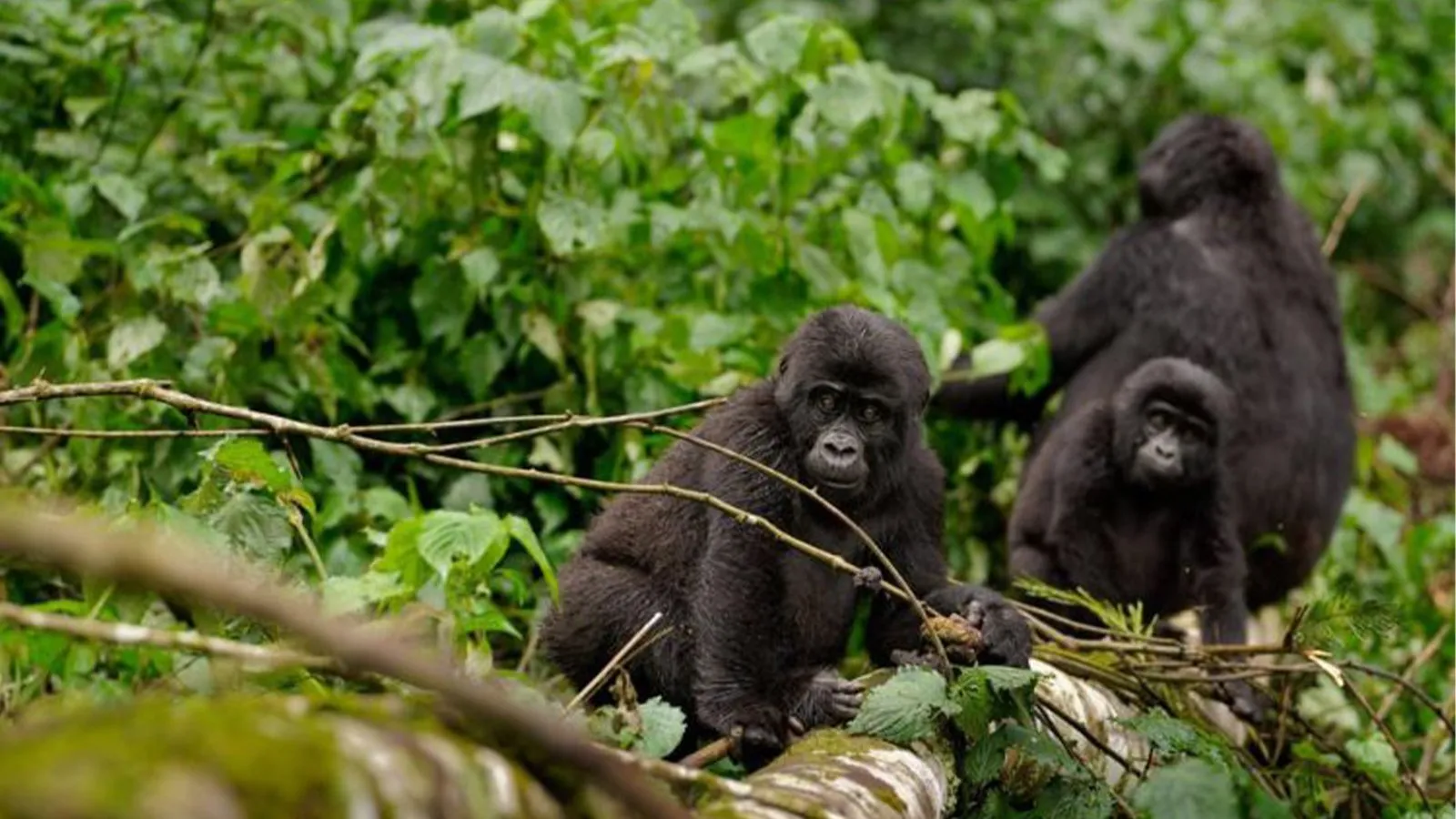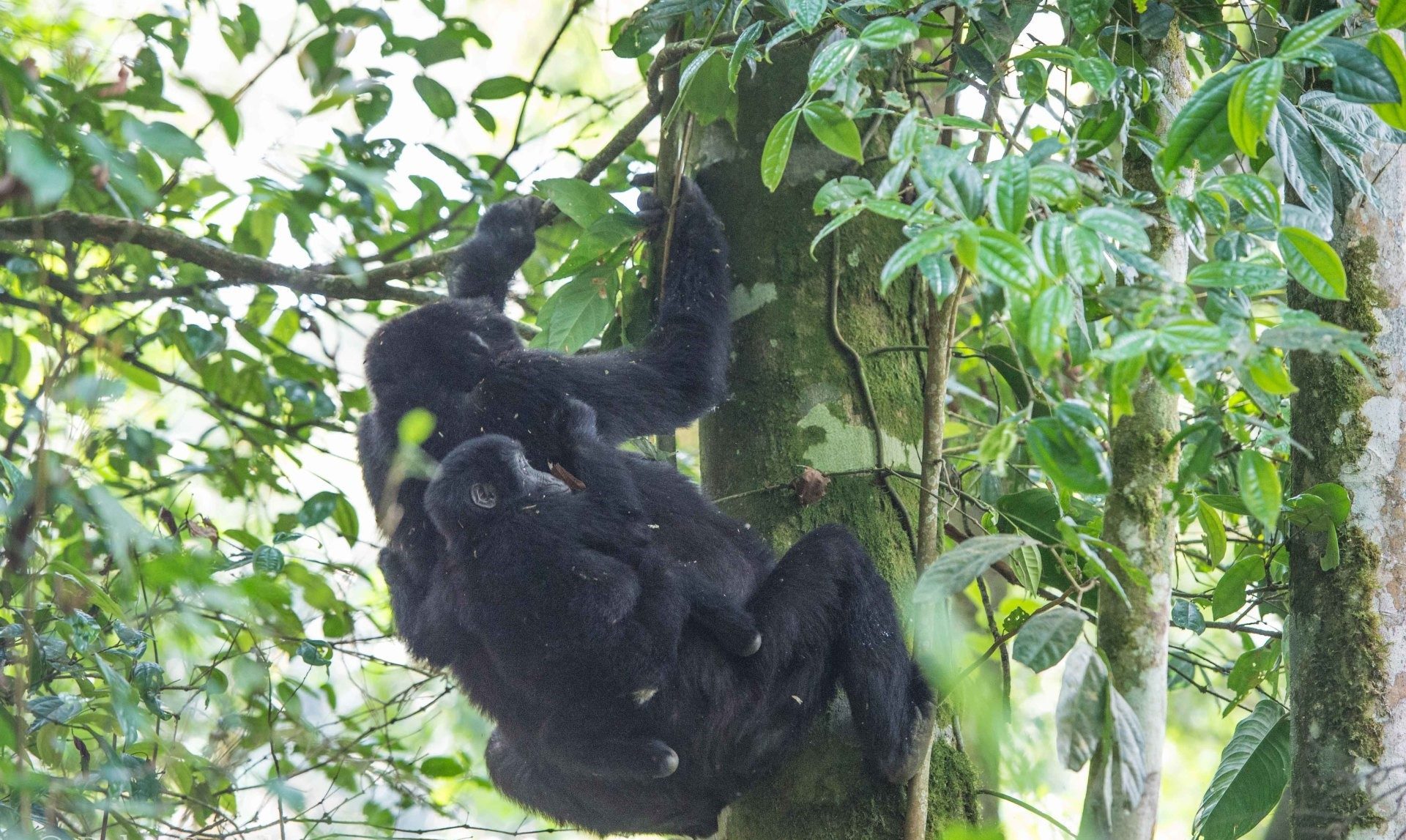

Long Dry Season
(June to September) the Best Overall Conditions
The period from June to September is widely
recommended as the prime time for a gorilla safari at Volcanoes
National Park . During these months, rainfall is at its lowest, which
makes the steep forest trails significantly easier to walk on with less mud and
slippery surfaces . The weather is more stable, often providing clearer
skies that improve visibility for both viewing the gorillas and taking
photographs . The park conditions are simply more comfortable for
trekking. However, because this is the peak tourist season, gorilla permits and
lodge rooms are in very high demand and often sell out quickly . This is
the best time for first-time visitors and those who want the most predictable
experience.
Short Dry Season
(December to February) A Reliable Alternative
December to February is another excellent window for
gorilla
trekking, offering similar benefits to the long dry season . You can
expect good trekking conditions, with trails generally dry and manageable .
This period tends to be slightly less crowded than June to September, which can
be a relief if you prefer a quieter experience . It provides a great
balance of good weather and better availability for permits and
accommodation . This is a solid choice for travelers who want dry-season
advantages but maybe missed booking for the peak months. The festive season in
December will be busier, but January and February are often excellent value
periods.
Long Rainy
Season (March to May) Best for Budget Travelers
The long rainy season from March to May presents the
most difficult trekking conditions . Heavy rains turn the trails into a
muddy, slippery mess, making hiking more strenuous . Despite the
challenges, this season has distinct benefits. The park turns a vibrant, lush
green, which is great for photography . Most importantly, this is the low
season, meaning far fewer tourists in the park, lower accommodation rates, and
easier access to last-minute gorilla permits . This is the best choice for
budget-conscious travelers who don't mind getting muddy. You will need proper
waterproof gear and a flexible attitude for this experience.
Short Rainy
Season (October to November): A Compromise Option
October to November is the short rainy season, with
lighter rains than what you see from March to May . This period is considered
a shoulder season, offering a good middle ground. The weather is not ideal, but
the trails are often more manageable than during the long rains . You will
still find fewer tourists than in the peak dry months, and lodge prices are
usually discounted . This is an excellent option for travelers who want a
quieter experience without the toughest conditions of the heavy rains. The
forest remains green and beautiful, and you can often secure permits with less
advance planning than in the high season .
Month-by-Month:
January and February
January marks the beginning of the short dry season,
providing
excellent trekking conditions with accessible, less muddy trails and good
visibility . The crowds are lower than in the June-September peak, making
it a favorite month for many visitors . February continues these favorable
conditions, though rainfall may increase as the month progresses, signaling the
end of the dry spell . Both months offer a fantastic opportunity to
experience the park with fewer people and competitive pricing on permits and
accommodations .
Month-by-Month:
June, July, and August
June signals the start of the main dry season,
bringing minimal rainfall and significantly improved trail conditions .
July is one of the most popular months, characterized by dry, clear weather
that makes for excellent trekking and photography . August continues this
trend, but because of international school holidays, it becomes the busiest and
most competitive month of the year . Demand for permits and lodging is at
its peak, so booking 6-12 months in advance is essential . It is the best
weather, but you must pay the price and deal with crowds.
Month-by-Month:
March, April, and May
March begins the long rainy season, with heavy and
frequent downpours making trails muddy and challenging . April is the
wettest month and is generally not recommended for less adventurous travelers
due to extremely difficult conditions and potential road access issues .
The rains begin to subside in May, but conditions remain challenging and the
terrain is still very slippery . The landscape is at its most beautiful
and green during these months, and the park is very quiet, offering an intimate
experience . This period is best for experienced or budget trekkers who
are well-prepared.
Month-by-Month:
September, October, and November
September marks the end of the dry season, but
conditions remain favorable with manageable trails and good opportunities to
see gorillas . October signals the start of the short rainy season, with
increased rainfall that begins to make trails muddy again . November
continues this trend, though rainfall is typically less intense than in March
or April . These months provide a shoulder season experience with fewer
tourists and beautiful, lush scenery for photography . It is a great
choice for those seeking solitude and value.
How to get to
volcanoes for Rwanda gorilla safari
Most visitors begin their journey to Volcanoes
National Park by flying into Kigali International Airport, which has
regular flights from major cities in Africa, Europe, and the Middle East .
From there, you travel about 110-120 kilometers northwest by road, a drive that
takes roughly 2 to 3 hours . The easiest and most recommended way is to
book a private transfer with a driver, which is often included in safari
packages and offers door-to-door service, flexibility, and comfort for your
trekking preparations . For a more budget-friendly option, you can take a
public bus from Kigali to the nearby town of Musanze, but you will then need to
arrange a local taxi or motorbike for the final distance to the park
headquarters at Kinigi . While self-driving is possible on the well-paved
roads, a 4x4 vehicle is recommended, especially during rainy seasons, to handle
local conditions . Luxury travelers can also choose a helicopter charter,
which cuts the travel time significantly . Regardless of your transport
choice, it is strongly advised to arrive in the Musanze area the day before
your trek to rest and ensure you are on time for the mandatory 7:00 AM
briefing
Top adventures
to do on Rwanda gorilla safari in volcanoes
While gorilla trekking is the main draw, Volcanoes
National Park has several other adventures to offer visitors. You can track the
rare and playful golden monkeys in the park's bamboo forests, a less strenuous
activity suitable for families. For hiking enthusiasts, you can climb Mount
Bisoke, which takes you to a stunning crater lake at its 3,711-meter summit, or
take on the more challenging two-day trek up Mount Karisimbi, the highest peak
in the Virunga range at 4,507 meters. A hike to the Dian Fossey tomb and her
former Karisoke research camp offers a chance to learn about her conservation
legacy. To experience local culture, visit the Iby'Iwacu cultural village for
traditional dances and cooking, or tour the Musanze caves with their rich
history and bat colonies. The Ellen DeGeneres Campus provides an excellent
educational stop with immersive exhibits about gorilla conservation
What to pack for
Rwanda gorilla safari in volcanoes
For your Rwanda gorilla safari in Volcanoes National
Park, packing the right clothing and gear is essential for comfort and safety
in the rainforest. Start with lightweight, long-sleeved shirts and long
trousers made from quick-drying, moisture-wicking material, and stick to
neutral colors like khaki, green, or brown . A pair of sturdy, waterproof
hiking boots with good ankle support is critical, and you should break them in
before your trip to avoid blisters . To protect yourself from mud,
stinging nettles, and ants, you should bring gaiters to cover your boots and
tuck your pants into long socks . A lightweight, breathable rain jacket or
poncho is also a must, as rain can fall even during the dry season . Don't
overlook gardening gloves, which protect your hands when you need to grab onto
vegetation for balance on slippery slopes . For your daypack, pack at
least two liters of water, high-energy snacks, insect repellent, sunscreen,
your camera with extra batteries and memory cards, and your gorilla permit
along with a valid ID . You can also hire a porter at the trailhead to
carry your bag, which supports the local community and makes your trek much
easier
Booking Rwanda
gorilla safari with Zoophilist adventures and safaris
Booking a Rwanda gorilla safari with Zoophilist Adventures and Safaris
ensures a well-organized and rewarding experience. As a licensed operator, they
manage all logistics including gorilla trekking permits, accommodation, and
transport from Kigali to Volcanoes National Park. Their itineraries are
tailored to suit different budgets, whether you prefer luxury lodges or
community guesthouses. Professional guides lead the trek, making it safe and
informative while maximizing your chances of seeing gorilla families.
Zoophilist emphasizes responsible tourism, meaning part of your safari supports
local communities and conservation projects. Booking early is advised,
especially during peak dry seasons, to secure permits and lodges. Choosing
Zoophilist guarantees your Rwanda gorilla safari is practical, meaningful, and
professionally managed from start to finish