
The best time to visit Tarangire
National Park for a safari is the dry season, which runs from late June
through October. During these months, the park offers the most reliable wildlife
viewing. The weather is dry, the vegetation is thinner, and animals gather
around the few remaining water sources. If you are planning a trip specifically
for a classic safari experience with high chances of seeing a lot of animals,
this is the window you want. The peak months are September and October, just
before the short rains arrive. Outside this period, the park is still open and
can be visited, but the experience is different and requires a shift in
expectations. The dry season is also the busiest and most expensive time, so
planning ahead matters.
Weather and
Wildlife During July and August
July and August sit right in the middle of the dry
season. Daytime temperatures are comfortable, often ranging from the mid-70s to
low 80s Fahrenheit. Mornings and evenings can be chilly, especially in open
vehicles, so you will need a jacket or fleece. The lack of rain means the grass
is short and the bush is thin. This makes it much easier to spot animals, even
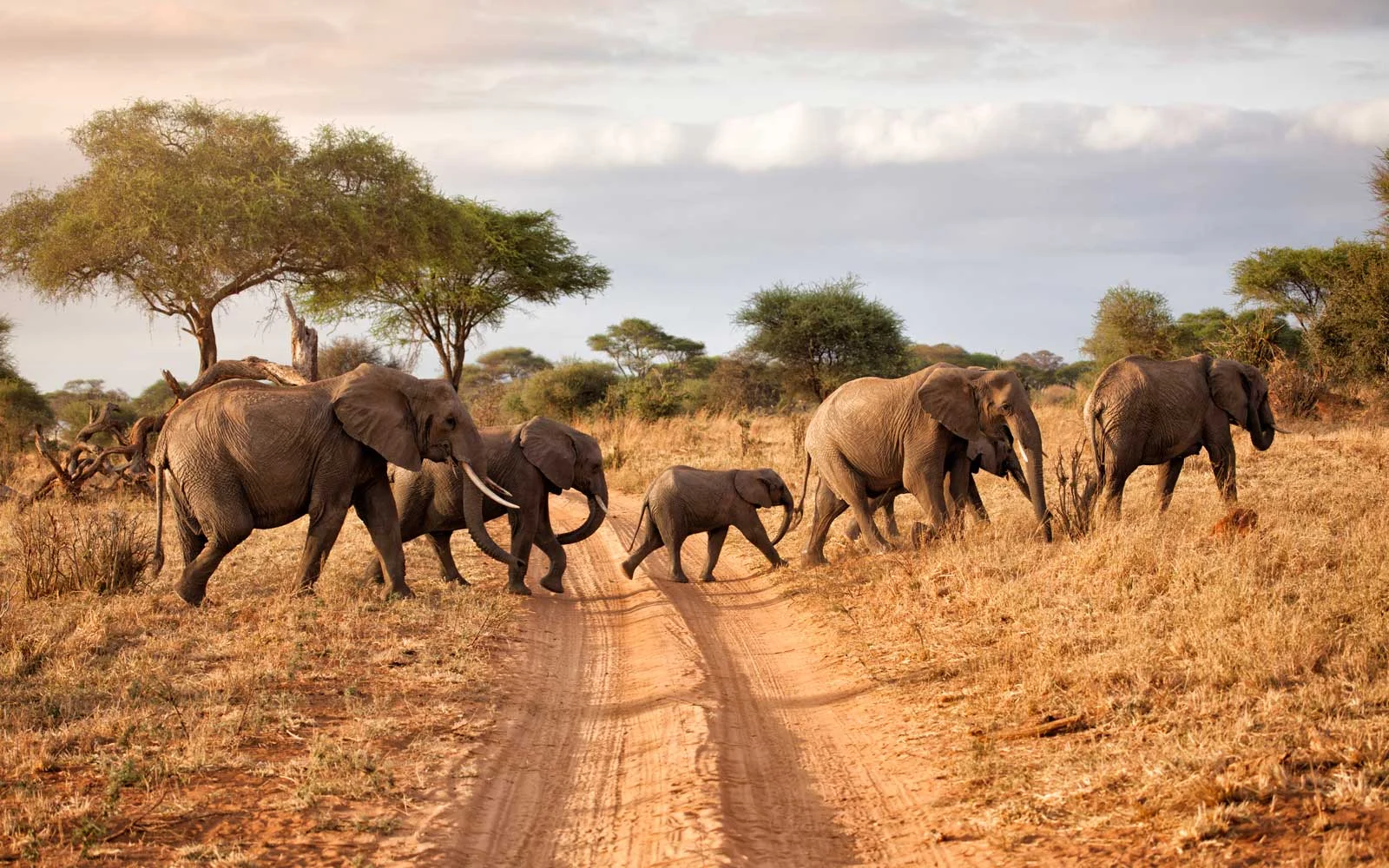
from a distance. Large herds of elephants are a major draw during these months,
and they are frequently seen near the Tarangire River. Predators like lions and
leopards are also easier to find because they follow the grazing herds. The
main downside is that this is peak tourist season, so camps and vehicles can
feel crowded.
September and
October: The Peak Months
September and October are often considered the
absolute best months for a Tarangire
safari. The park is at its driest. The Tarangire River and remaining swamps
become the only reliable water sources for miles. This forces huge
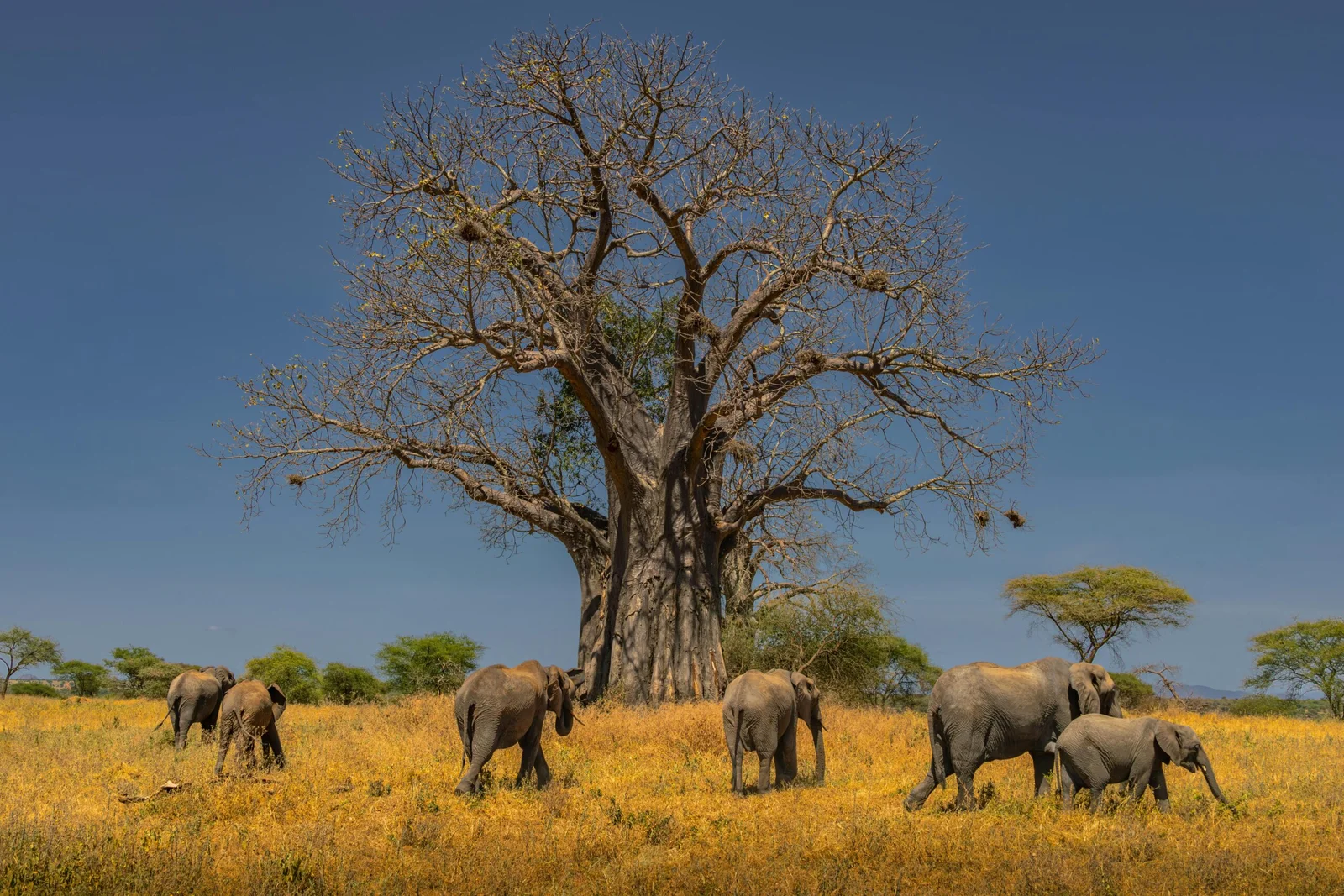
concentrations of wildlife into predictable areas. You will see large numbers
of zebra, wildebeest, buffalo, and elephants. The concentration of prey also
attracts predators. October, in particular, is excellent for seeing lions on
the hunt near the western side of the park. The weather is hot and sunny, with
very little rain. Because this is the peak of the peak season, you must book
your accommodation many months in advance. Prices for lodges and camps are at
their highest.
The Short Rains
in November
November marks the start of the short rains. The dry
season ends, and the park begins to change. You will get some rain, usually in
the form of afternoon showers, but it rarely lasts all day. The rain turns the
brown landscape green almost overnight. The herds that were crowded around the
river start to spread out across the park and into the surrounding plains. This
means animals are harder to find because they are no longer forced into a small
area. However, November is a good month for birdwatchers. Migratory birds
arrive, and the park is alive with different species. The upside is that
tourist numbers drop, and prices for lodging become more reasonable. If you do
not mind some rain and want a quieter experience, November is a solid choice.
January and
February: The Green Season
January and February fall between the short rains
and the long rains. The park is green, and the wildlife is spread out. This is
not the best time for spotting large concentrations of animals. However, it is
a great time for birding, with over 550 species recorded in the park. The park
is also much quieter. You will see very few other vehicles. This can make for a
more private safari experience. The downside is that the tall grass and dense
bushes make animals harder to see. You have to work harder to find them. If
your main goal is to see elephants and lions in large numbers, this is not the
ideal time. If you value solitude and birdlife, it can be rewarding.
April and May:
The Long Rains
April and May are the wettest months. The long rains
bring heavy downpours. Many camps and lodges close during this period because
the roads become difficult to navigate. The park is not at its best for a
standard safari. Wildlife
is widely dispersed because water is everywhere. You will not see the large
concentrations that make Tarangire famous. The benefit is that this is the
cheapest time to visit if you find a place that is open. The park is empty of
tourists. If you are on a very tight budget and do not mind mud and rain, it is
possible. But for most people, the experience is not worth the discomfort and
the difficulty of finding animals.
The Tarangire
Migration
Tarangire has its own seasonal movement of animals,
often called a migration, but it is different from the famous Serengeti
migration. From around June to October, tens of thousands of zebra and
wildebeest move into the park from the surrounding plains. They come looking
for water. The permanent Tarangire River is the main attraction. At the peak in
September and October, the park can hold a huge number of animals. However,
this is not a dramatic river crossing event like you see in the Serengeti. There
are no crocodile-filled crossings. Instead, it is a slow buildup of animals
around a single water source. It is still a great spectacle, but you should
know what to expect.
Crowds and Costs
The dry season from June to October is the high
season. This means the park is full of visitors. The best camps and lodges get
booked up months in advance. Prices are at their highest, often double what you
would pay in the low season. If you want to avoid crowds and save money,
consider November or the months of January and February. You will see fewer
animals, but you will have a more peaceful experience. Tarangire is generally
less crowded than the Serengeti, which is one of its advantages. Even in the
high season, you can still find quiet spots. But if you want the best wildlife
viewing, you have to accept the crowds and the costs.
What to Pack for
the Dry Season
If you go during the dry season, pack for both hot
days and cold mornings. Layers are essential. A warm fleece or jacket is needed
for early morning game drives. During the day, you will want light clothing, a
hat, and sunscreen. The sun is strong. Dust is a major factor. Bring a dust
cloth for your camera and store electronics in ziplock bags. Binoculars are
more important than a camera for most people. A good pair of 8x42 or 10x42
binoculars will let you see animals clearly without disturbing them.
Neutral-colored clothing is best. Avoid bright blue and dark colors, as they
can attract tsetse flies