
Tarangire National Park is one of the most rewarding
destinations for a Tanzania safari, offering travelers a mix of wildlife,
landscapes, and unique activities. Known as the “Paradise of Elephants,” the
park hosts thousands of elephants during the dry season, making sightings
almost guaranteed. Standard game drives reveal lions, leopards, giraffes, and
zebras, while walking safaris provide a closer look at tracks, plants, and
smaller animals. Night drives, exclusive to Tarangire, showcase nocturnal
species, and hot air balloon rides give a bird’s-eye view of baobabs and herds.
Birdwatching is excellent, with over 500 species recorded. Cultural visits to
Maasai villages, bush meals, sundowners, and fly camping add variety.
Photography hides at waterholes make it a standout for photographers.
Accessibility from Arusha ensures Tarangire fits easily into any Tanzania
safari itinerary.
1. Standard Game
Drives
Game drives are the main way to see Tarangire, and
they work well. You ride in a 4x4 with a pop-up roof for better viewing. The
dry season (July through October) is the best time because animals gather at
the Tarangire River, making them easier to find . You can expect elephants,
lions, giraffes, zebras, and buffalo. Leopards are present but harder to spot.
Drives usually run in the morning and late afternoon when wildlife is most
active . A full-day drive with a picnic lunch lets you cover more ground and
reach quieter areas of the park.
2. See the
Elephant Herds
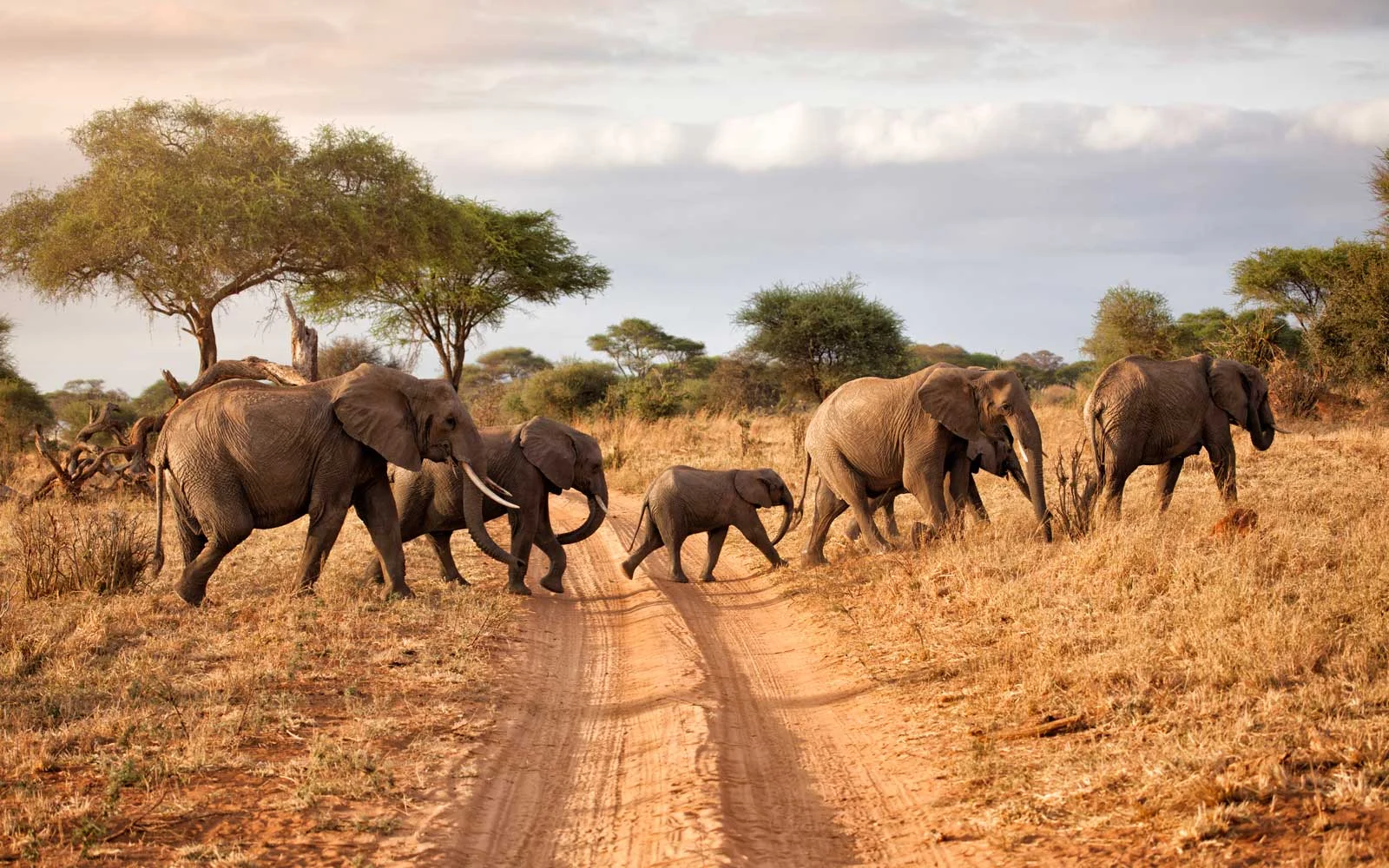
Tarangire is called the "Paradise of
Elephants" for good reason. The park holds over 3,000 elephants during the
dry season, the densest population in Tanzania . Herds of up to 300 elephants
gather along the Tarangire River to drink and bathe . The best months are July
to November when elephants migrate into the park from surrounding areas . You
do not need luck to see them here. They are everywhere. Watching family groups
interact, with calves protected in the middle, is often the highlight of a
visit.
3. Walking
Safaris
Walking safaris let you leave the vehicle and track
animals on foot. A trained guide leads you through the bush, teaching you to
read tracks, dung, and broken branches . You can get within 15 meters of
zebras, waterbucks, and even elephants if the wind is right . The pace is slow,
and you notice things you would miss from a car: insects, birds, plants. These
walks are only offered in certain areas of the park or in bordering
concessions, so check with your lodge when booking .
4. Night Game
Drives
Tarangire is the only national park in Tanzania that
allows night drives . After dark, the bush changes completely. Guides use
spotlights to find nocturnal animals: genets, porcupines, bush babies, and
sometimes lions or leopards on the hunt . The atmosphere is different too cooler
air, more sounds, less visibility. It adds a new dimension to a safari that
most other parks in the region cannot offer. Not all lodges run night drives,
so confirm this before you book your accommodation
5. Hot Air
Balloon Safari
A balloon flight gives you a view of Tarangire you
cannot get any other way. You take off around sunrise and float over the
plains, looking down at elephants, baobabs, and the river from above . Flights
last about an hour, followed by a champagne breakfast in the bush after landing
. It is expensive and must be booked in advance, but for photographers or
anyone wanting a special experience, it is worth considering. Pregnant women
and children under five are not allowed
6. Birdwatching
Tarangire has over 500 recorded bird species, making
it a serious destination for birders . You can see ostriches, eagles, pelicans,
lovebirds, hornbills, bee-eaters, and the colorful lilac-breasted roller . The
variety comes from the park's mix of habitats: riverine forest, swamps, open
plains, and termite mounds. Even if you are not a dedicated birder, the
birdlife adds color and movement to every game drive. Bring binoculars and a
guide who knows the calls
7. Maasai
Village Visits
Several tour operators offer visits to nearby Maasai
villages, either as an add-on to a game drive or a separate activity . You
learn about traditional homes, cattle herding, and daily life. Some visits
include dancing, crafts, and opportunities to buy handmade items directly from
the community . Ask permission before photographing people. These visits are a
way to see a culture that has lived alongside wildlife in this region for
generations. It is not a zoo or a show, but a real community.
8. Bush Meals
and Sundowners
Eating in the bush is a simple pleasure that makes a
safari feel different from a normal vacation. Many lodges offer breakfast,
lunch, or dinner set up in the field . Sundowners drinks and snacks at sunset are
a standard safari ritual. You stop at a viewpoint, watch the light change, and
have a drink while the day ends. It sounds small, but it becomes a favorite
memory for many travelers. The setting, the quiet, and the sense of place make
ordinary food taste better.
9. Fly Camping
Fly camping means sleeping in a simple mobile camp
away from the main lodge, under mosquito nets or in lightweight tents . You go
to sleep hearing the sounds of the bush and wake up in a remote part of the
park. Some operators set up treehouses or open-air beds. It is more adventurous
than a standard lodge stay and appeals to travelers who want to feel closer to
the wild. Guides stay nearby, and you remain safe, but the experience feels
more raw. This must be arranged in advance with specific camps
10. Photography
from a Hide
At least one lodge in the Tarangire area, Nimali
Tarangire, has an underground photography hide at a waterhole . You sit below
ground level, looking out at eye level as animals come to drink. Elephants,
giraffes, lions, and buffalo have all been seen from this hide . The animals
cannot see you, so they behave naturally. This is ideal for photographers who
want close-up shots without the vehicle engine or human movement disturbing the
scene. It is a niche activity, but for the right person, it is the main reason
to choose that camp.
How to get there
to Tarangire National park
Getting to Tarangire is straightforward by road or
air. Most visitors drive from Arusha, which takes about 2.5 to 3 hours on a
good tarmac road, followed by a short stretch on graded park roads; a 4x4 is
recommended during the wet season from November to May . The park is roughly
121 kilometers from Arusha . If you prefer to fly, scheduled or charter flights
connect Kilimanjaro International Airport or Arusha to Kuro Airstrip inside the
park . There is also a new western entry point, Mamire Gate, which opened in
April 2026 for travelers coming from Dodoma, Singida, or Manyara, allowing you
to bypass Arusha entirely