
Dry Seasons of June–August
and December–February
The best time for a gorilla
safari in Bwindi is during the dry seasons. These months offer the most
comfortable conditions for trekking. The trails are firmer and much less
slippery, making the hike easier and safer . You will also have clearer
skies and better visibility in the forest. This is the peak tourist season, so
you should book your gorilla permits and accommodation well ahead of time .
The weather is generally stable, though you should still pack a light rain
jacket for unexpected showers . Your main concern will be availability and
higher prices, not the weather.
Wet Seasons from
March–May and October–November
Visiting Bwindi during the wet seasons presents more
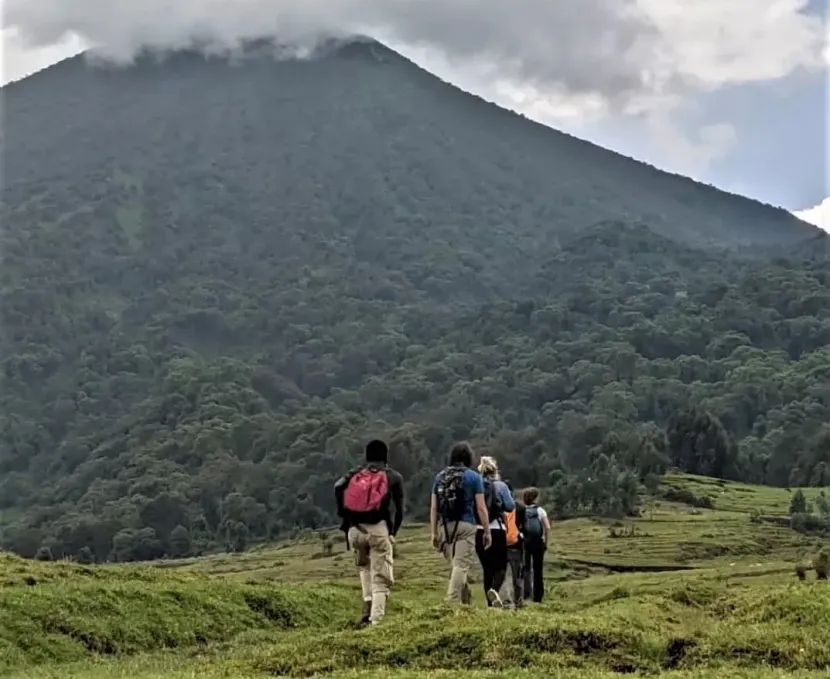
of a challenge. The trails become muddy and slippery, which can make the trek
physically demanding . You will need proper waterproof gear and sturdy
boots. However, there are significant benefits to traveling in the rain. The
forest is at its most dramatic and green, with vibrant plant life and flowing
streams . Most importantly, you will find fewer tourists, leading to a
more private experience with the gorillas . Accommodation rates also often
drop, making it a good option for budget travelers .
Long Dry Season
of June to August
This period is the peak of the gorilla
trekking calendar in Uganda. The long dry season from June through August
offers the most reliable weather . You can expect the driest trails and
the highest chance of clear, sunny days. This makes hiking conditions optimal,
especially for people who are less sure-footed or want to focus on
photography . Because of these excellent conditions, it is also the
busiest time. You must book your gorilla permits many months in advance, as
they often sell out . You will also face the highest prices for lodges and
tours during these months
Short Dry Season
of December to February
The short dry season from December to February is
another excellent window for gorilla trekking. The weather is similar to the
peak season, with firm trails and comfortable temperatures for hiking .
This period is slightly less crowded than June–August, particularly in January
and February . It is a great time for a safari if you want to travel
during the holiday season or avoid the peak mid-year rush. While conditions are
generally dry, you may experience some light showers, so keep a waterproof
layer handy . Permits are more available than in the mid-year peak, but
booking in advance is still wise.
Long Rainy
Season from March to May
This is the wettest time of the year in Bwindi, with
April seeing the heaviest rainfall . Trekking is difficult due to very
muddy and slippery trails, and heavy mist can obscure views . However,
this season offers the biggest advantages for cost and seclusion. The Uganda
Wildlife Authority officially drops the price of a gorilla
permit to $600 during April and May, saving you $200 compared to the
standard $800 price . Lodges offer significant discounts, and you will
have the forest almost entirely to yourself. If you have a flexible schedule
and are prepared for mud, this offers great value.
Short Rainy
Season of October and November
The short rainy season in October and November is a
shoulder period that provides a middle ground. You will see lighter but still
significant rainfall compared to the long rains. Trails are more manageable
than in April and May but are still muddy . This season also offers a low-season
permit price. In November, the price drops to $600, while October generally
remains at the peak rate . You will find few tourists and easier permit
availability, making it a good choice for those seeking a balance between fair
weather, lower costs, and avoiding crowds .
Consider Your
Fitness Level
Your physical fitness is a key factor in deciding
when to visit. During the dry seasons, the easier trails make the trek
accessible for a wider range of fitness levels . The hike is still up and
down steep hills, but you won't be fighting the mud. In the rainy seasons, the
trek is much more physically demanding. You will be hiking on slippery
surfaces, which requires more effort and balance . If you are not a very
confident hiker, the dry season is the safer and more comfortable choice to
ensure you enjoy the experience without excessive strain .
Bird Watching
If bird watching is a priority, the rainy seasons
might be the best time for you to visit. The heavier rains prompt migratory
birds to arrive in the park, making it a prime time for birding . The
lush, green environment also makes the resident bird species more active. In
contrast, the drier months, while better for trekking, may not offer the same
variety of migratory species. If you plan to see gorillas and birds, consider a
visit during the shorter rainy season in October or November, which offers a
compromise between trekking conditions and bird activity .
Making Your
Decision
Choosing the best time comes down to your personal
preferences. If your main goals are easy hiking, comfortable weather, and you
have a larger budget, book your trip for the dry seasons, ideally June to
September. If you want to save money and prefer a quieter, more adventurous
experience, then the rainy seasons are a good choice, especially April, May,
and November when permits are cheaper . Whatever you decide, remember that
gorilla trekking happens year-round. The gorillas are always there, and the
experience is always unique and rewarding.
What activities
are there to do in Bwindi National park
While gorilla trekking is the main reason people
visit Bwindi, the park offers several other activities for visitors. You can go
bird watching to spot over 350 bird species, including rare ones found only in
this region . Guided nature walks take you along forest trails to scenic
waterfalls and viewpoints . The Batwa
cultural experience lets you meet the forest's original inhabitants, who
demonstrate their traditional hunting methods, medicine, music, and
dances . For a deeper wildlife experience, the gorilla habituation program
in the Rushaga sector allows you to spend up to four hours with a gorilla
family as researchers work to accustom them to human presence . You can
also visit local villages, go mountain biking, or simply relax at a forest
lodge with views over the canopy
How to get there
to Bwindi National park
Getting to Bwindi involves either a long road trip
or a quick flight. The main international airport is Entebbe (EBB) in Uganda,
but many visitors also fly into Kigali in Rwanda because it is closer. From
Entebbe, the fastest option is a domestic flight with airlines like Aerolink or
Bar Aviation to one of two airstrips near the park. You would fly to Kihihi if
your trekking permit is for the northern sectors (Buhoma or Ruhija), or to
Kisoro if you are visiting the southern sectors (Rushaga or Nkuringo). This
flight takes about 1 to 1.5 hours, and from the airstrip, you will still need a
4x4 vehicle for a 1 to 2-hour drive to your lodge. Driving by road from Kampala
or Entebbe is the cheaper but much longer option, covering a distance of about
460 to 500 kilometers, which takes roughly 8 to 10 hours, not including stops.
The route follows the Kampala-Masaka-Mbarara-Kabale highway, with the last
section becoming winding and unpaved. A 4x4 vehicle is essential for this last
stretch, especially in the rainy season. If you choose to fly into Kigali, it
is about a 4 to 5-hour drive to Bwindi, a route that is often smoother than the
one from Kampala
Booking to visit
Bwindi gorilla Park with Zoophilist adventures and safaris
Booking a Bwindi Gorilla Park safari with Zoophilist
Adventures and Safaris ensures a well-organized and memorable experience in
Uganda’s premier gorilla destination. We handle all logistics, including
gorilla permits, accommodation, and transfers, so you can focus on the
adventure. Professional guides lead you through Bwindi’s misty rainforest to
meet a habituated gorilla family, offering an intimate hour in their natural
habitat. With tailored itineraries ranging from luxury lodges to
community-based stays, Zoophilist emphasizes conservation and local support,
making your gorilla trek both meaningful and responsible