
Queen Elizabeth National Park is one of Uganda’s
most popular savannah safari destinations, offering exceptional wildlife
encounters, breathtaking landscapes and diverse ecosystems throughout the year.
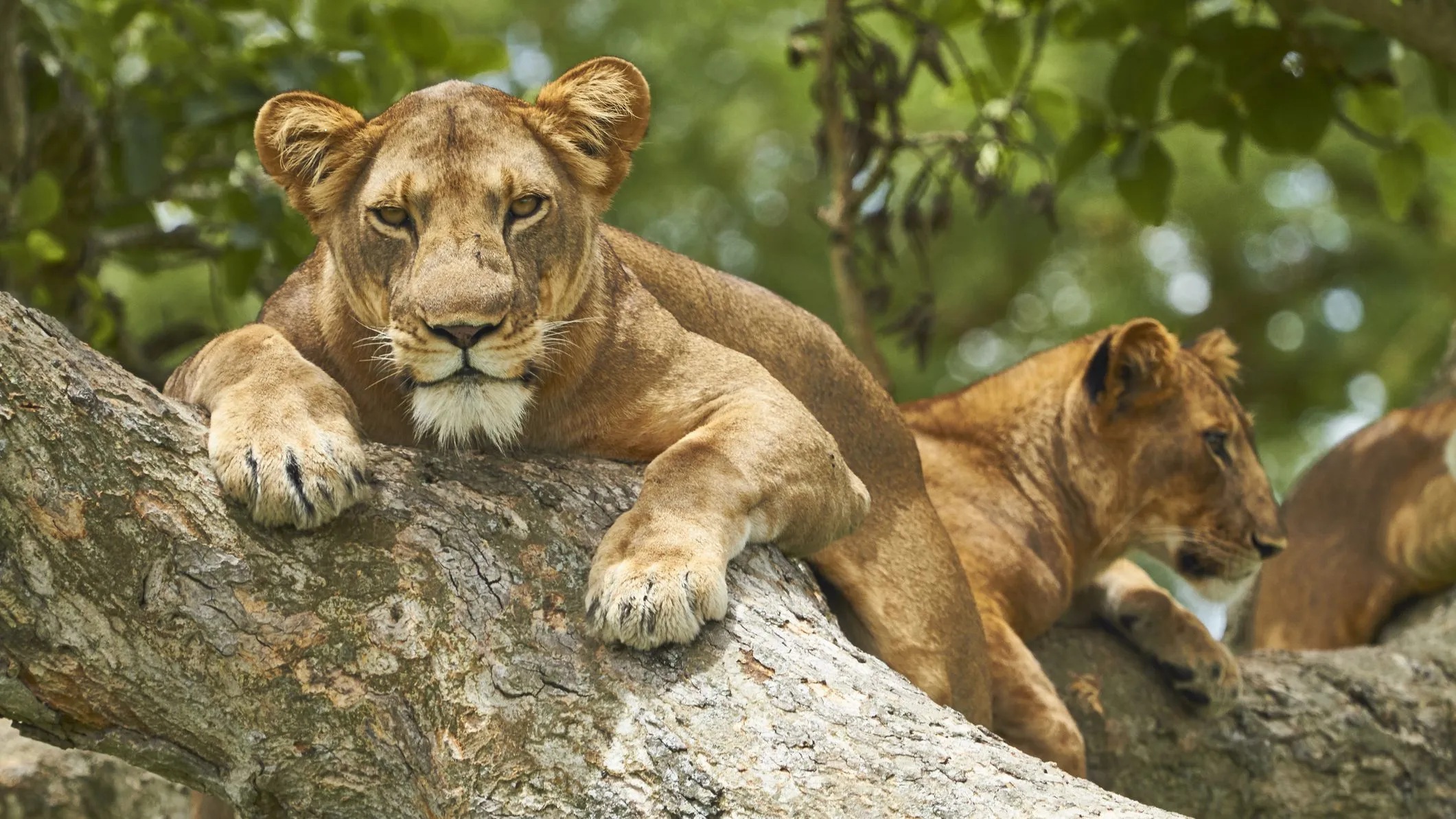
Located in western Uganda. The park is home to the famous tree-climbing lions
of the Ishasha Sector, large elephant herds, buffaloes, hippos, leopards, over
600 bird species and the scenic Kazinga channel. Every season presents unique
safari opportunities, making the park suitable for different types of travelers.
Whether you are interested in game drives, boat cruises, chimpanzee tracking,
birdwatching or photography, understanding the seasonal changes will help you
plan the perfect safari in Uganda.
Why the Dry Season
offers the Best Wildlife Viewing
The dry seasons from June to September and December
to February provide the best wildlife viewing conditions in Queen Elizabeth National
Park. During these months, vegetation becomes sparse and animals gather around
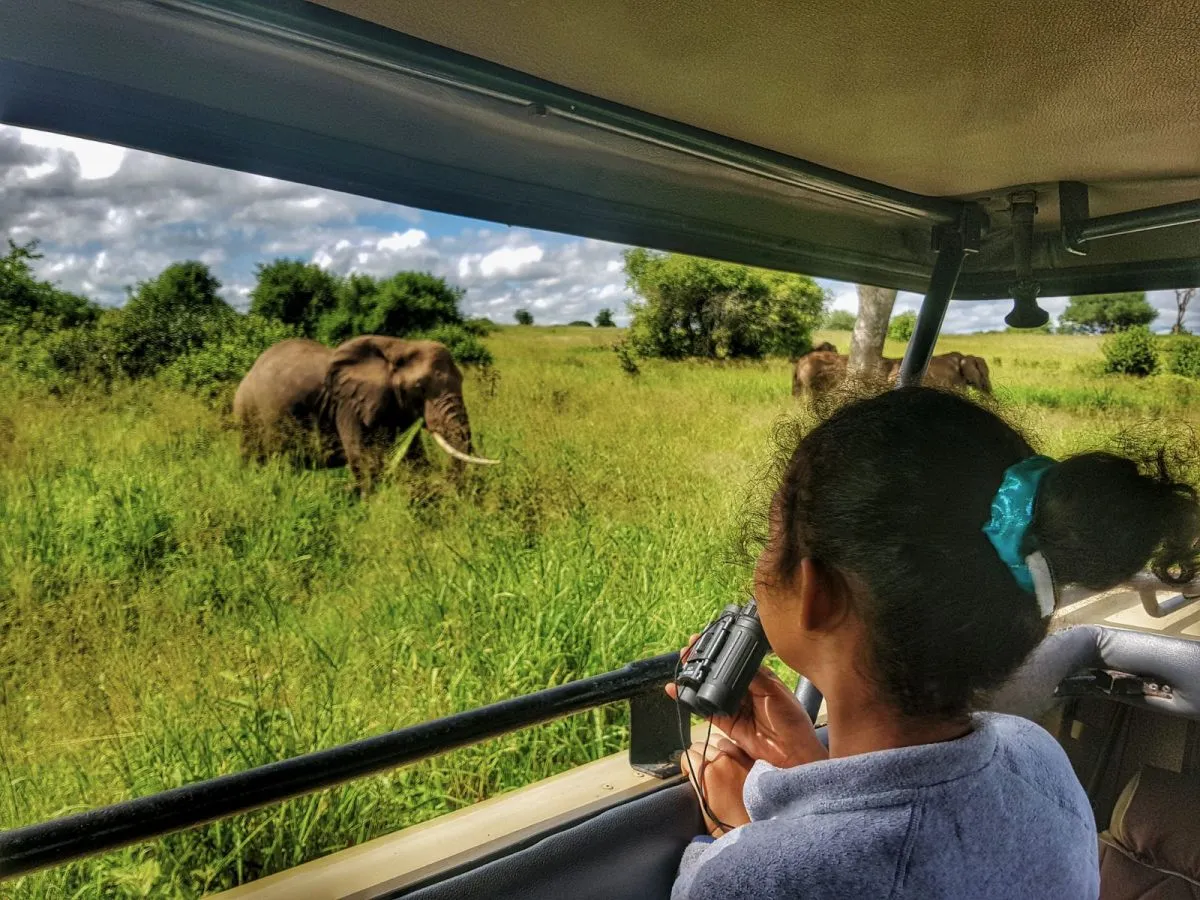
permanent water sources making them much easier to locate. Game drives often
reward visitors with sightings of elephants, lions, buffaloes, Uganda Kobs,
warthogs and occasionally leopards. The roads remain dry and accessible
allowing safari vehicles to comfortably explore all sectors of the park.
Best Months for
Game Drives and Boat Cruises
July, August, January, and February are considered
the prime months for safari activities. Wildlife is highly active and boat
cruises along Kazinga Channel become especially rewarding as hundreds of
hippos, crocodiles, elephants and numerous bird species gather along the
shoreline. These months also provide excellent opportunities to search for the
famous tree-climbing lions in the Ishasha Sector. Since this is the busiest
travel season, booking accommodation well in advance is recommended.
Visiting during
Green Season
The rainy seasons from March to May and October to
November, transform the park into a lush green paradise. Although wildlife is
more widely dispersed, the scenery becomes spectacular, migratory birds arrive
in large numbers and many animals give birth. The park is quieter during this
period, making it ideal for travelers seeking fewer crowds, lower accommodation
rates and excellent birdwatching opportunities.
Choosing right
Season for Photography
Photography enthusiasts can enjoy incredible
opportunities throughout the year. The dry season produces clear backgrounds
and golden sunlight that highlight wildlife, while the green season offers vibrant
vegetation, colorful landscapes, dramatic skies and reflections around the
crater lakes. Depending on your photography interests, either season can
provide memorable images.
Weather and What
to Expect
Queen Elizabeth National Park experiences warm temperatures
throughout the year, generally ranging between 20°C and 30°C. Dry month offer
pleasant safari conditions while the rainy seasons bring occasional showers
that refresh the landscape. Packing light clothing’s, comfortable walking
shoes, sunscreen, insect repellent, binoculars and a light rain jacket will
ensure a comfortable safari regardless of the season.
Budget Tips and
Seasonal Travel
Travel costs vary depending on the time of year. The
dry season attracts more visitors resulting in higher lodge prices and greater
demand for safari permits and accommodation. During the green season, many
lodges offer discounted rates making it an excellent option for travelers
looking for affordable safaris in Uganda without sacrificing the overall
experience.
How to get to Queen
Elizabeth National Park in Uganda
Queen Elizabeth national park is located in western
Uganda, approximately 400km from kamala, making it one of the country’s most
accessible safari destinations. The park can be reached by road in about 6 to 7
hours via the Kampala- Mbarara- Kasese highway with beautiful views of rolling
hills, tea plantations and rural landscapes along the journey. Travelers can
also enter the park through the Fort portal route, which passes the scenic
crater lakes and Kibale national park, making it ideal for combined wildlife
and chimpanzee trekking safaris. For those seeking a quicker option, scheduled
and charter domestic flights operate from Entebbe international airport or
kajjansi Airfield to Mweya, Kasese or kihihi airstrips, followed by a short
road transfer to the lodge. Most safari itineraries combine queen Elizabeth National
Park with Bwindi impenetrable national park, Kibale national park or Lake Mburo
national park, creating an unforgettable Uganda safari experience.
Overall Recommendation
The best time to safari in Queen Elizabeth National
Park depends on your travel interests. For excellent wildlife viewing and game
drives, visit during the dry seasons from June to September or December to
February. If your interests include birdwatching, scenic photography, lush
landscapes and fewer crowds, the green seasons from March to May and October to
November provide excellent experiences. Regardless when you visit, Queen
Elizabeth National Park remains one of the finest destinations for memorable
safaris in Uganda offering incredible wildlife, spectacular scenery and
rewarding adventures all year round.
Top Activities
to do in Queen Elizabeth National Park
Queen Elizabeth National Park offers a whole range
of activities for every traveler. Enjoy exciting mornings and evening game
drives across the Kasenyi plains, where lions, elephants, buffaloes and
antelopes are commonly spotted. Take a relaxing boat cruise on the Kazinga
Channel to observe hippos, crocodiles, elephants and countless bird species.
Visit the Ishasha Sector in search of the unique tree-climbing lions, explore
the Kyambura Gorge on a Chimpanzee trekking adventure, enjoy birdwatching with
over 600-recorded species, explore the explosion crater lakes and visit nearby
communities for cultural experiences that display the traditions of the local
people.