
Ngorongoro National Park in northern Tanzania is a
year-round safari destination that blends wildlife, landscapes, and culture in
one compact area. At its core lies the Ngorongoro Crater, the world’s largest
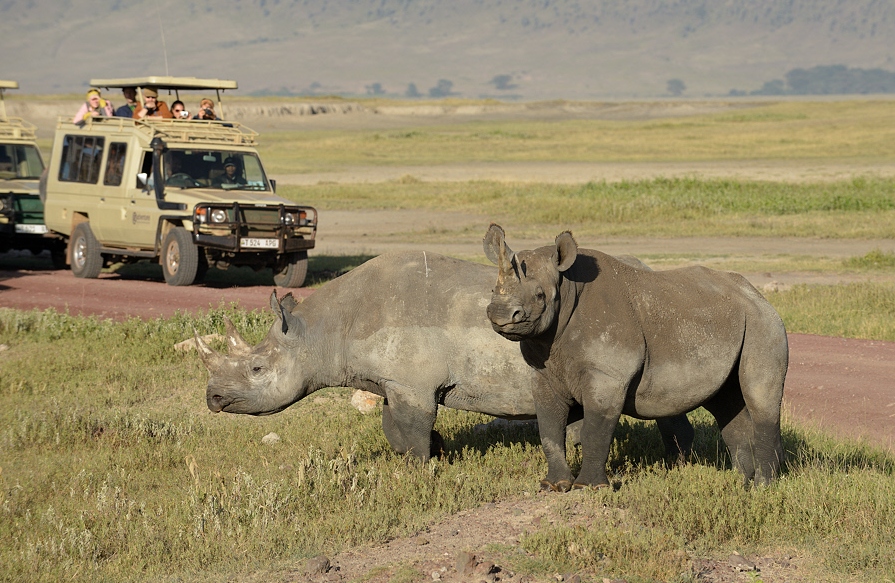
intact volcanic caldera, home to over 25,000 animals including lions,
elephants, buffalo, and the rare black rhino. Game drives across the crater
floor deliver quick results, while Lake Magadi attracts flamingos and hundreds
of bird species. Beyond wildlife, visitors can enjoy Maasai cultural visits,
crater rim walks, Empakaai Crater hikes, and historical tours of Olduvai Gorge.
Photographers find dramatic views from the rim, and staying overnight at rim
lodges ensures early access to the crater. Whether you visit in the dry season
for peak sightings or the green season for birdlife, Ngorongoro offers an
unforgettable safari experience.
1. Dry Season
Overview: June to October
The dry season from June to October is the most
popular time to visit Ngorongoro, and for good reason. Rainfall drops to almost
nothing, so roads stay firm and passable. The grass on the crater floor becomes
short and dry, which makes animals easier to see from a distance. Wildlife
gathers around Lake Magadi and the Gorigor Swamp because water is scarce
elsewhere. You can spot lions, elephants, buffalo, and rhinos without driving
for hours. The skies stay clear, giving you wide views across the caldera. The
main problem is crowds. Vehicles line up at lion sightings, and rim lodges
charge their highest rates. Book months ahead if you plan to travel during this
window.
2. Peak Wildlife
Viewing: July to September
July through September sits at the center of the dry
season and offers the strongest wildlife viewing of the year. Animals
concentrate near the few remaining water sources, and predators follow them.
Lion prides are active, and you have a good chance of seeing a hunt in the
early morning. Rhino sightings also improve because they graze in open areas.
The weather stays cool and dry, with temperatures dropping at night on the rim.
This is also when the Great Migration moves through the northern Serengeti, so
many travellers combine both parks. Expect high demand for accommodation and
guides. If you want the best sightings, this is the period to target.
3. Short Dry
Spell: January to February
January and February bring a short break in the
rains, and this period offers a quieter alternative to the main dry season. The
grass is greener than in July, but animals are still fairly easy to find. This
is calving season in the southern Serengeti, and predator activity rises as
lions and cheetahs target newborn wildebeest. Inside the crater, birdlife is
strong because migratory species are present. Temperatures are warmer than
mid-year, which suits people who dislike cold mornings. Fewer vehicles mean you
get more space at sightings. Lodges often lower their prices compared to peak season.
It is a smart choice if you want good viewing without the crowds.
4. Green Season:
November to December
November and December mark the start of the short
rains, and the crater turns green. Rain usually falls in short afternoon
bursts, so mornings often stay clear enough for game drives. The fresh grass
attracts herbivores, and the crater floor looks different from the dry months.
Bird watchers enjoy this time because migratory species arrive from Europe and
Asia. Crowds thin out, and accommodation prices drop. The downside is that some
roads get slippery, especially on the rim and the descent into the crater. You
may need a 4x4 vehicle and a guide who knows the conditions. If you do not mind
occasional rain, this period offers good value.
5. Long Rains:
March to May
March to May brings the long rains, and this is the
hardest time to visit Ngorongoro. Heavy downpours turn the crater rim and
access roads into mud. Some routes become impassable, and vehicle breakdowns
are more common. Visibility drops because of low clouds and mist, so you may
not see across the caldera. Many lodges and camps close during these months,
and those that stay open offer low rates. Wildlife is still present, but
finding it takes more effort. Birdlife is excellent, and the landscape is at
its greenest. This period suits travellers on a tight budget who accept the
risks. For most visitors, it is better to avoid March to May.
6. Best Time for
Photography
Photographers should aim for the dry season,
especially June through October. Clear skies mean good light, and the dust-free
air gives sharp images across long distances. The contrast between the dry
grass and the dark crater walls creates strong composition. Morning and evening
light produces shadows that add depth to landscape shots. In the green season,
colours are richer, but rain and mist often block the wide views that make the
crater special. If you want rhino and lion shots, July to September gives you
the most chances. Bring a zoom lens because animals on the crater floor stay
far from the rim road.
7. Best Time for
Hiking and Walking Safaris
Walking activities in and around Ngorongoro work
best in the dry months. From June to October, trails on the rim and in the
highlands stay firm and safe. The same applies to the short dry spell in
January and February. Empakaai Crater hikes and guided walks with Maasai
rangers are more comfortable when the ground is dry. During the long rains,
paths become slippery and some routes close. Humidity also makes walking
harder. If hiking is a priority for you, plan your trip between June and
October. Book your armed ranger at least two days ahead because demand rises in
peak season.
8. Matching Your
Dates to Your Goals
The right time depends on what you want from your
trip. For the best wildlife viewing and easiest driving, choose July to
October. For fewer crowds and lower prices, look at January, February,
November, or December. For bird watching, the green season from November to May
brings the most species. For hiking, stick to the dry months. Avoid March to
May unless you have a tight budget and flexibility. Also check the Great
Migration calendar if you plan to combine Ngorongoro with the Serengeti. Decide
your priorities first, then pick your dates. That approach gives you the trip
you actually want.
Top activities
to do in Ngorongoro National park
The top activities in Ngorongoro National Park
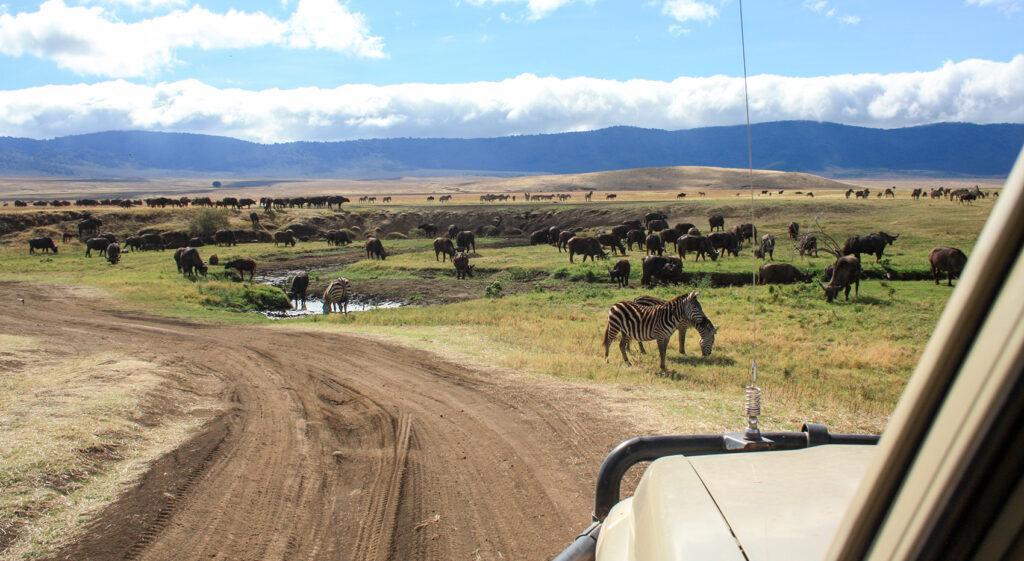
center on game drives across the crater floor, where you can see lions,
elephants, buffalo, zebras, and wildebeest within a short drive. Spotting black
rhino is a major draw since the crater is one of the few places in Tanzania
where you have a real chance of finding them in the wild. Bird watching at Lake
Magadi attracts flamingos and hundreds of other species, especially during the
green season. A picnic lunch at the hippo pool breaks up a full day of driving
and lets you watch hippos while you eat.
Cultural visits to Maasai villages add context to
the safari and support local families. Walking safaris along the crater rim
with an armed ranger let you stretch your legs and learn about plants and
animal tracks. Hiking Empakaai Crater offers a different pace and rewards you
with lake views. Visiting Olduvai Gorge adds history through its fossil
displays and active dig sites. Photography from the rim gives you wide
landscape shots that the crater floor cannot match. Finally, staying overnight
on the rim lets you enter the crater at opening time and avoid the day-trip
crowds.