
Ngorongoro National Park in northern Tanzania is one
of Africa’s most remarkable safari destinations, combining wildlife,
landscapes, and culture in a single setting. At its heart lies the Ngorongoro
Crater, the world’s largest intact volcanic caldera, home to over 25,000
animals including lions, elephants, buffalo, and the rare black rhino. The
short grass plains make game drives rewarding, while Lake
Magadi attracts flamingos and hundreds of bird species. Beyond wildlife,
visitors can enjoy Maasai cultural encounters, crater rim hikes, and excursions
to Empakaai Crater or Olduvai Gorge. Staying overnight on the rim offers
unmatched views and early access to the crater floor. With year-round
activities and reliable sightings, Ngorongoro delivers a safari experience that
blends natural wonder, cultural heritage, and adventure in one unforgettable
journey.
1. Game Drives
on the Crater Floor
The main activity in Ngorongoro
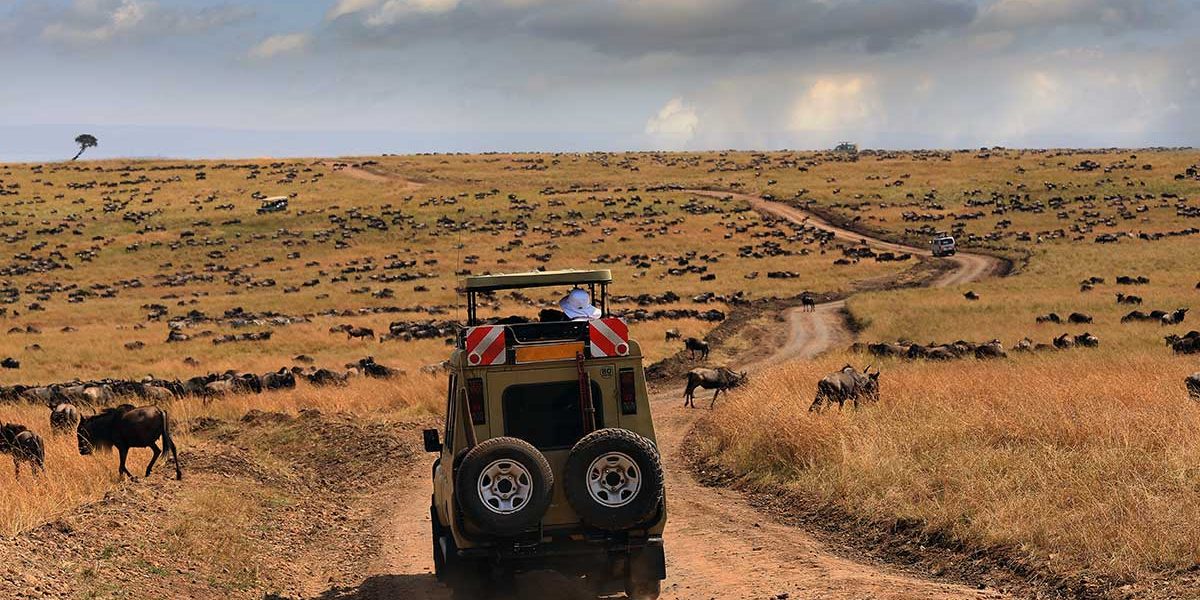
is a game drive across the crater floor, and it delivers results quickly. The
crater holds around 25,000 large animals in a contained space, so you see
wildlife within minutes of descending. Lions, elephants, buffalo, zebras, and
wildebeest are common sights. The short grass makes spotting animals easier
than in thick bush. You can also find hippos at the Gorigor Swamp and flamingos
at Lake Magadi. Vehicles must stay on marked roads, so you cannot drive
off-track. This keeps the area protected but can cause crowding when lions rest
on the road. An early morning descent helps you avoid the busiest hours.
2. Spotting
Black Rhino
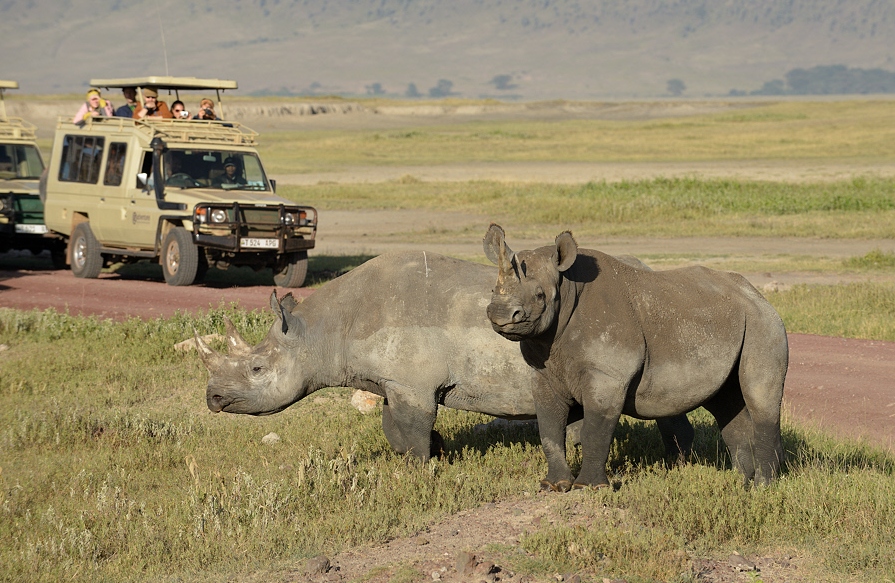
Ngorongoro is one of the best places in Tanzania to
see black rhino in the wild. These animals are critically endangered, and
sightings are never guaranteed. However, the crater's protected walls and open
grasslands give you a real chance. Rhinos often graze in the open, especially
in the morning. Your guide will know where they were last seen and will drive
to those areas. Binoculars help you scan the distance. If you see one, it is a
highlight for most visitors. The crater's rhino population is small but stable,
and rangers monitor them closely.
3. Bird Watching
at Lake Magadi
Lake Magadi sits on the crater floor and attracts
hundreds of bird species. Flamingos gather here in large numbers, turning the
shallow water pink. You can also see avocets, stilts, and various raptors. The
lake is a soda lake, so it supports algae and crustaceans that flamingos feed
on. Birders should bring binoculars because many species stay at a distance.
The surrounding swamps attract herons, egrets, and kingfishers. With over 200
species recorded in the crater, even casual visitors enjoy the variety. Morning
light offers the best viewing conditions.
4. Picnic Lunch
Inside the Crater
Most full-day game drives include a stop for lunch
at a designated picnic site. The main area sits near a hippo pool, where you
can eat while watching hippos in the water. This breaks up the day and gives
you time to rest. You must follow your guide's instructions and stay within
marked areas. Do not feed animals or leave food unattended. The setting is
simple but memorable. You eat surrounded by the crater walls with wildlife
nearby. Packed lunches usually include water and basic snacks. It is a
practical stop, not a luxury dining experience.
5. Visiting a
Maasai Village
The Maasai people live within the Ngorongoro
Conservation Area, and several villages welcome visitors. A visit typically
lasts one to two hours. You will be greeted with traditional songs and dancing.
Villagers demonstrate fire-making and beadwork. You can ask questions about
their daily life, and your guide will interpret if needed. Some villages have
small museums or allow you to see inside their homes. Handmade crafts are
available for purchase directly from the makers. This activity adds cultural
context to your safari. It also supports local families through tourism income.
6. Walking
Safaris on the Crater Rim
You cannot walk on the crater floor, but guided
walks along the rim and surrounding highlands are allowed. An armed ranger and
a Maasai guide lead these walks. You cover one to six hours depending on your
preference. The pace is slow, so you notice small details like animal tracks,
insects, and wildflowers. You learn about plants used for medicine and how
Maasai track animals. The views from the rim stretch across the crater and
beyond. These walks suit people who want to stretch their legs after long
drives. Book at least 48 hours in advance.
7. Exploring
Empakaai Crater on Foot
Empakaai is a smaller crater within the Ngorongoro
Conservation Area, and it welcomes hikers. A walk down to the lake takes about
one hour, and the return trip takes longer depending on fitness. An armed
ranger must accompany you. The lake is deep blue or emerald depending on the
light. The surrounding forest holds monkeys, birds, and sometimes elephants.
You can see Oldoinyo Lengai and Lake Natron from the rim on clear days. This
activity suits active travellers who want a different experience from game
drives. Camping on the rim is possible with advance booking.
8. Visiting
Olduvai Gorge
Olduvai Gorge sits between Ngorongoro and the
Serengeti, and it holds some of the oldest human fossils ever found. A visit
takes about two hours. You start at the museum, which displays stone tools and
animal fossils. Guides explain how archaeologists uncovered evidence of early
humans who lived here millions of years ago. If you visit between June and
October, you may see researchers working at active dig sites. The gorge itself
is a deep canyon carved into the landscape. This stop adds history to your
safari and breaks up the drive between parks.
9. Photography
from the Crater Rim
The crater rim offers views that stretch across the
entire caldera. You see the 600-meter walls and the floor below. Morning and
late afternoon light creates shadows that add depth to photos. Animals appear
as small dots from above, so a zoom lens helps. You can stop at designated
viewpoints along the rim road. The forest on the slopes attracts birds and
monkeys, giving you more subjects. Many lodges on the rim have decks where you
can set up a tripod. This activity costs nothing extra and works well for
photographers who want wide landscape shots.
10. Overnight
Stay on the Crater Rim
Staying on the crater rim gives you an advantage
over day-trippers. You can enter the crater as soon as gates open and stay
until closing time. Day visitors are limited to six hours inside. Lodges on the
rim offer views over the caldera, and some have private access roads. The high
altitude means cold nights, so pack warm clothes. Waking up to the crater view
is a strong reason to book a rim lodge. It also reduces travel time on your
game drive day. Book early because rim accommodation fills up during peak
season
Best time for
things to do in Ngorongoro National park
The best time to visit Ngorongoro for most
activities is during the dry season from June to October. During these months,
the grass stays short, animals gather near water sources, and you can spot
wildlife much easier across the crater floor. Game drives, rhino spotting, and
photography all work best in these conditions because clear skies and dry roads
make access simple. The downside is that this is peak season, so expect more
vehicles at sightings, especially around lions and rhinos, and higher prices for
rim lodges. If you want fewer crowds, the green season from November to May
offers good value, with lush green landscapes after the rains and excellent
bird watching when migratory species arrive.
The wet months of March to May bring heavy rain,
muddy roads, and poor visibility, so many lodges close and some routes become
difficult. For hiking Empakaai Crater and walking safaris on the rim, the drier
months from June to October and the short dry spell in January and February
work best because trails are firm and views stay clear. Cultural visits to
Maasai villages happen year-round, though roads to some villages get rough
during heavy rain. The Great Migration does not pass through the crater itself,
but it moves across the wider Serengeti ecosystem nearby, so if you want to
combine Ngorongoro with migration viewing, plan your trip between December and
September.
How to get to Ngorongoro
National park
Getting to Ngorongoro National Park in Tanzania
typically involves flying into Kilimanjaro International Airport (JRO), which
is about an hour's drive from the town of Arusha. From Arusha, the drive to the
Ngorongoro Conservation Area gate takes approximately three to four hours,
covering about 160 km on good tarmac roads with the final stretch on gravel as
you climb to the crater rim. Many travellers choose to overnight in Arusha or
Karatu before continuing to the park the next day. If you prefer to fly, there
is a nearby airstrip at Lake Manyara, though most visitors arrive by road. Once
at the park, you enter through the Loduare Gate on the eastern rim. Keep in
mind that self-drive access into the crater itself requires a guide, and
independent visitors must arrange this through a registered tour operator