
Kibale National Park is often called the
primate capital of East Africa, making it a top choice for a Uganda safari
trip. Covering about 795 square kilometers, the park is home to over 13 primate
species, including a large population of chimpanzees. Its diverse habitats
range from tropical rainforest to grassland, supporting rich biodiversity.
Visitors can enjoy chimpanzee tracking, birdwatching, and guided forest walks.
The park also plays a vital role in conservation and research, with ongoing
projects focused on primates and forest ecology. Choosing Kibale ensures
travelers experience close primate viewing, varied wildlife, and educational
insights, all within a well‑managed and accessible destination.
What are the top
attractions to see in Kibale National Park
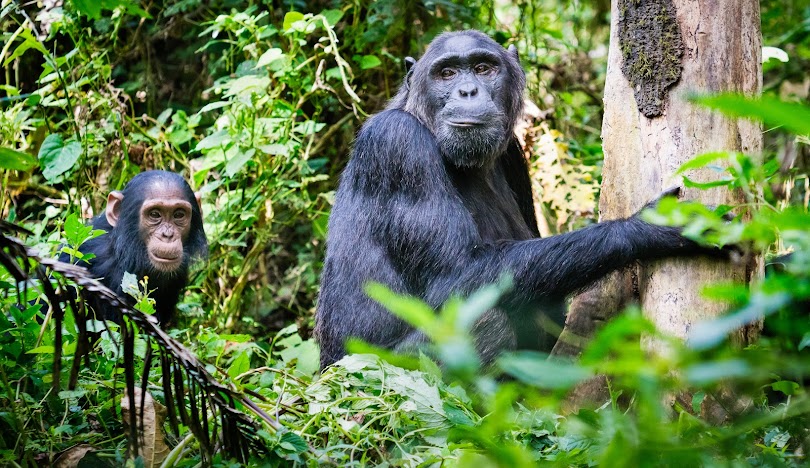
The main attraction in Kibale National Park is chimpanzee
tracking, with several habituated groups available for visitors. Spending
time with these primates offers a rare chance to observe their behavior in the
wild. Beyond chimpanzees, the park hosts other primates such as red colobus monkeys,
L’Hoest’s monkeys, and grey‑cheeked mangabeys. Birdwatching is excellent, with
over 370 species recorded, including the African pitta. The nearby Bigodi
Wetland Sanctuary adds community‑guided walks rich in birdlife and cultural
experiences. Forest landscapes with towering trees, butterflies, and diverse
plant species also attract nature lovers. For a Uganda safari trip, Kibale
combines primate viewing with birding and cultural encounters.
Best time to
visit Kibale National Park
The best time to visit Kibale National Park is
during the dry seasons, from December to February and June to September. These
months provide easier trekking conditions, as trails are less muddy and more
accessible. Wildlife viewing is more predictable, with chimpanzees and other
primates easier to track. Daytime temperatures average between 20–28°C, with
cooler evenings. The wet seasons, from March to May and October to November,
bring heavier rains, making trekking more challenging but offering greener
scenery and excellent birdwatching. For most travelers planning a Uganda safari
trip, the dry months are ideal for chimpanzee tracking and forest walks, while
birders may prefer the wetter seasons.
How to get there
to Kibale National Park
Kibale National Park can be reached by road from
Kampala, with a drive of about 5–6 hours via Fort Portal. The route passes
through tea plantations, crater lakes, and rural communities, offering scenic
views along the way. Travelers can also fly from Entebbe to Kasese or Fort
Portal airstrips, reducing travel time before connecting by road. Cross‑border
access from Rwanda is possible for those combining gorilla trekking with
chimpanzee tracking. Hiring a driver‑guide is recommended for convenience,
local knowledge, and smoother navigation. Whether by road or air, reaching
Kibale is straightforward, making it a practical choice for a Uganda safari
trip focused on primates.
Top things to do
in Kibale National Park Uganda
Activities in Kibale
National Park center on primate experiences. Chimpanzee tracking is the
highlight, where visitors spend time observing habituated groups in their
natural habitat. For deeper insight, chimpanzee habituation experiences allow
longer stays with researchers. Birdwatching is rewarding, with rare species
found in the forest and wetlands. Guided nature walks reveal diverse plants,
butterflies, and small mammals. The Bigodi Wetland Sanctuary offers community‑based
tours combining birdlife and cultural experiences. Photography opportunities
are abundant, from primates to forest landscapes. For a Uganda safari trip,
Kibale provides a mix of wildlife, culture, and nature activities, appealing to
a wide range of interests.
Best tips for
visiting Kibale National Park
Book chimpanzee permits early through the Uganda
Wildlife Authority or trusted operators, as they are limited and sell out
quickly. Wear sturdy hiking boots, long‑sleeved clothing, and carry rain gear,
as conditions can be wet and muddy. Physical fitness is important since treks
can last several hours. Bring insect repellent, sunscreen, and a reusable water
bottle. Hiring a porter is recommended to ease the trek and support local
livelihoods. Staying near the park entrance reduces travel stress, as treks
start early in the morning. Respect wildlife by keeping a safe distance and
following ranger instructions. For a smooth Uganda safari trip, preparation and
planning are key.
Where to stay in
Kibale National Park
Accommodation in Kibale National Park ranges from
luxury lodges to budget guesthouses. High‑end options include Primate Lodge
Kibale and Kyaninga Lodge, offering comfort and forest views. Mid‑range choices
such as Chimpanzee Forest Guesthouse and Kibale Forest Camp provide affordable
yet convenient stays. Budget travelers can opt for community‑run guesthouses like
Rweteera Safari Park. Staying close to the park ensures easy access to trekking
points and reduces travel time. Most lodges provide guided transfers and
organize activities, making them practical bases for a Uganda safari trip.
Choosing accommodation depends on budget, preferences, and desired proximity to
attractions, but all options provide access to primate adventures.