
Did you know Queen Elizabeth National Park is
Uganda’s premier safari destination, renowned for its extraordinary diversity
of wildlife and landscapes? Stretching across savannah plains, crater lakes,
wetlands, and lush forests, the park is home to over 95 mammal species and more
than 600 bird species, making it East Africa’s richest birding haven. Visitors
are captivated by the rare tree-climbing lions of Ishasha, vast hippo pods
along the Kazinga Channel, and thrilling chimpanzee treks in the dramatic Kyambura
Gorge. Classic game drives on the Kasenyi Plains reveal elephants, buffalo, and
leopards, while cultural encounters at the Lake Katwe Salt Mines add depth to
the adventure. With scenic crater lakes and the panoramic Mweya Peninsula, the
park offers a quintessential Ugandan safari experience.
1. Tree-Climbing
Lions of Ishasha
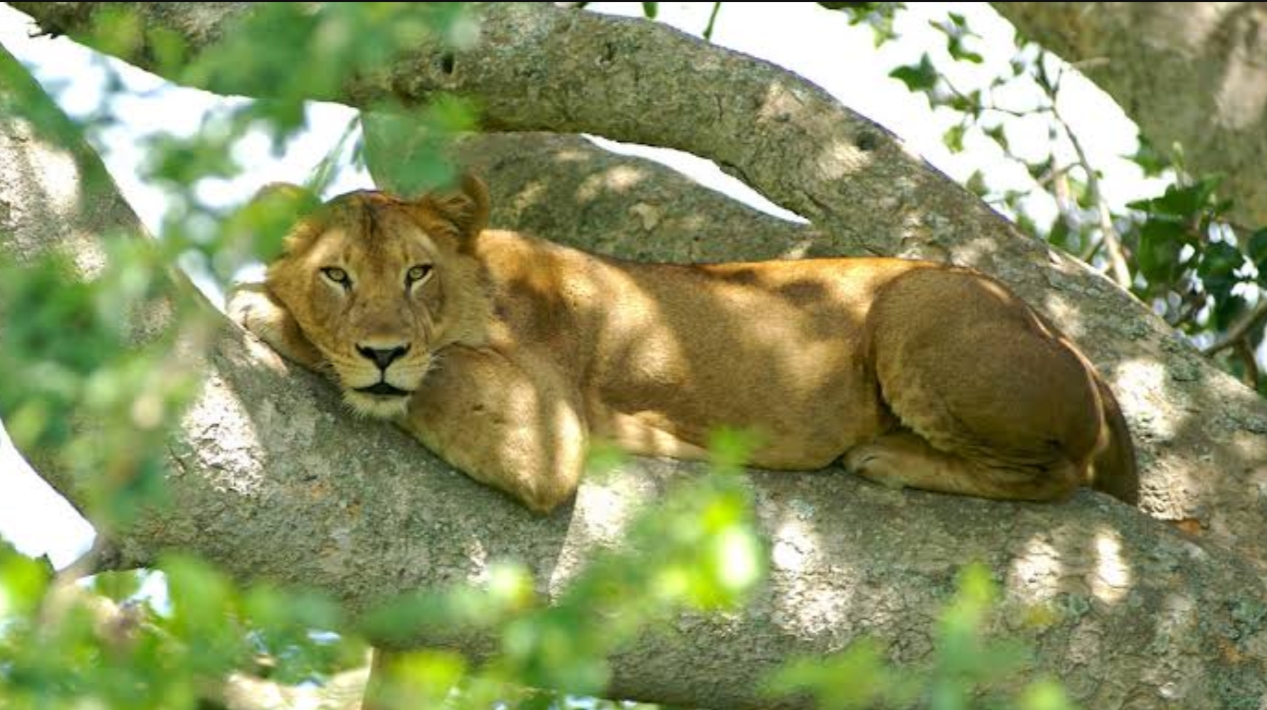
This is the park's most famous and
unique attraction. In the southern Ishasha sector, lions have developed the
rare and remarkable habit of resting in the branches of large fig and acacia
trees. This behaviour, documented in only a handful of lion populations
worldwide, is thought to be a strategy to escape the heat and biting insects on
the ground. Game drives in this area offer near-daily sightings of these
majestic cats draped languidly over the limbs, especially during the dry season.
Photographing these powerful predators against the green canopy is an iconic
experience that draws visitors from across the globe, making it an absolute
highlight of any Queen Elizabeth safari.
2. The Kazinga
Channel's Hippo Population
The Kazinga Channel, a 32-kilometre waterway connecting Lake Edward and Lake
George, hosts one of the world's highest concentrations of hippos. A boat
cruise along this channel offers an unparalleled front-row seat to these
massive, grunting pods, with up to 2,000 hippos wallowing, swimming, and
interacting in the water. Observing their territorial displays and
characteristic yawns from just a few metres away is a quintessential African
safari experience. This water-based safari also provides a serene contrast to
land game drives, allowing you to witness the sheer volume of semi-aquatic life
that thrives in this vital, wildlife-rich corridor.
3. The Mighty
African Elephant Herds
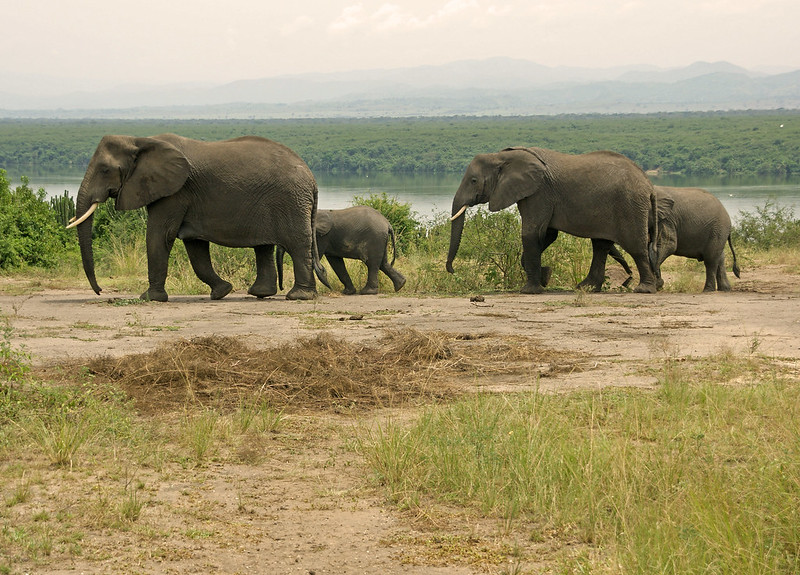
Queen Elizabeth National Park is
home to one of Uganda's largest elephant populations, with numbers estimated at
over 2,500 individuals. These majestic giants are commonly encountered across
the savannahs of the Kasenyi Plains and along the banks of the Kazinga Channel.
Watching a herd of elephants, including playful calves, bathing, drinking, and
socialising from a boat or during a game drive is a truly awe-inspiring
spectacle. Their sheer size and complex social dynamics make them a cornerstone
of the park's "Big Four" attractions and a highlight for any
safari-goer.
4. The Enigmatic
Leopard
As one of the park's apex
predators, the leopard is a highly sought-after sighting. These solitary and
secretive cats are most active during dawn and dusk, making early morning and
late evening game drives the best time for an encounter. They are often found
in the thickets of the Mweya Peninsula and the fig-tree zones of the Ishasha
sector, where they can sometimes be seen resting in branches or stalking prey.
Their stunning spotted coats and graceful, elusive nature make every sighting a
thrilling and memorable photography opportunity. Spotting a leopard is a
testament to a successful safari and completes the park's "Big Four"
line-up.
5. The Vast Cape
Buffalo Herds
Massive herds of Cape buffalo are a defining feature of Queen Elizabeth's
landscape, with populations of over 15,000 individuals. These formidable
animals are commonly seen grazing on the open plains of the Kasenyi sector and
cooling off in the mud along the channel's edge. Watching a herd of 200 to 300
buffaloes move across the savannah, led by old bulls, is an impressive display
of raw power and social structure. Their imposing size and sometimes
unpredictable nature command respect, and their reddish-brown coats, a result
of interbreeding with forest buffalo, add a unique characteristic to sightings.
6. Chimpanzees
in Kyambura Gorge
For a primate experience, a trek into the Kyambura Gorge, known as the
"Valley of the Apes," is essential. This dramatic, 100-metre-deep
gorge is home to a habituated community of chimpanzees. On a guided walk, you
can track these intelligent and energetic primates through the lush forest
floor, listening for their iconic pant-hooting calls. Once located, you can
spend an hour watching them swing through the canopy, forage for food, and
interact in their complex social groups. This thrilling experience offers a
fascinating glimpse into primate evolution and is a major highlight for
wildlife enthusiasts.
7. The Spotted
Hyena
The spotted hyena, Africa's most
successful large predator, is a common sight in Queen Elizabeth, particularly
on evening game drives. Often seen scavenging around kob territories or
patrolling the channel banks, they play a vital role in the ecosystem. Despite
their reputation, they are highly social and intelligent animals, and observing
their clan dynamics can be captivating. Their distinctive "whoop"
call and powerful build make them a fascinating and often misunderstood member
of the park's carnivore community.
8. The Giant
Forest Hog
One of the park's more unusual and sought-after residents is the giant forest
hog, the largest wild pig species in the world. These massive animals are
frequently seen on game drives and boat cruises along the Kazinga Channel,
where they come to drink and wallow. Their large size, dark bristly coat, and
distinctive facial warts make them an unmistakable and exciting find. Spotting
this elusive creature adds a unique and memorable element to your wildlife
checklist in Queen Elizabeth National Park.
9. The Graceful
Uganda Kob
The Uganda kob is the national
antelope of Uganda and is ubiquitous throughout Queen Elizabeth's savannah
plains. They are particularly abundant on the Kasenyi Plains, where males
perform dramatic territorial displays at dusk, a behaviour that is a
photographer's delight. Seeing large herds of these elegant, reddish-brown
antelopes grazing and interacting is a key component of the classic savannah
experience. Their widespread presence also supports the park's healthy predator
populations, making them a fundamental part of the ecosystem.
10. The Nile
Crocodile
The Kazinga Channel is not only
famous for hippos but is also a prime location for spotting the formidable Nile
crocodile. During a boat safari, you'll see these massive reptiles basking on
the exposed mud banks, often remaining perfectly still with their jaws agape.
Their prehistoric appearance and size some individuals can reach over five
metres are both impressive and intimidating. Observing them in their natural
habitat offers a glimpse into the park's ancient and untamed world, adding a
touch of primal danger to the wildlife experience
11.
Black-and-White Colobus Monkey
These striking primates are a
common but always captivating sight in the forested areas of the park,
particularly in Maramagambo Forest . With their long, flowing black fur,
dramatic white accents, and a spectacular white mantle, they are among Africa's
most beautiful monkeys. They are highly social and are often seen leaping
acrobatically through the canopy in troops, making them a delight to observe.
Unlike chimpanzees, they are strictly leaf-eaters, a diet that allows them to
spend much of their time resting in the trees .
12. Nocturnal
Wildlife on Night Drives
A night game drive unlocks a
completely different world in the park, revealing animals that are rarely seen
during the day . This is the best time to spot the elusive leopard, which
is more active after sundown, as well as hyenas out on the hunt. You might also
encounter smaller and more unusual creatures like the serval cat, civet, genet,
and the adorable bush babies, with their large, reflective eyes glowing in the
spotlight. The sounds of nocturnal birds, such as the Verreaux’s eagle-owl, enhance
this unique adventure .
13. The
Waterbuck
These large, shaggy-coated
antelopes are a frequent sight across the park’s savannah and along the Kazinga
Channel . They are easily identified by the distinctive white ring of fur
on their rump, which gives them their name. Waterbucks are never found far from
water and are excellent swimmers, often taking to the water to escape
predators. Watching a herd of these robust animals graze near the water's edge,
with their impressive, spiraled horns, adds a classic touch to any game
drive .
14. The Topi
This large, reddish-brown antelope is a striking resident of the open
grasslands, particularly on the Kasenyi Plains . A member of the
hartebeest family, the topi is distinguished by its dark, mask-like facial
markings and its tall, powerful build. During the breeding season, male topis
become highly territorial, performing dramatic and energetic displays from
elevated mounds to attract females. Watching their constant, vigilant presence
on the savannah is an integral part of the park's dynamic ecosystem .
15. The Shoebill
Stork (Birding Highlight)
While this prehistoric-looking bird
is a dream sighting for any birder, it is not a guaranteed encounter . The
shoebill, with its massive, shoe-shaped bill and towering stature, is one of
the most sought-after birds in Africa and can occasionally be spotted in the
park's swampy fringes . This elusive bird stands perfectly still for long
periods, making it a challenge to find, but the reward of seeing such a unique
and ancient creature in the wild is extraordinary