Location, Area
It Covers, Background
Serengeti National Park is located in northern
Tanzania, stretching across the Mara and Simiyu regions. It covers about 14,750
square kilometers, making it one of the largest protected areas in Africa.
Established in 1951, the park was created to safeguard the Great Migration and
the diverse wildlife that depend on its plains. Its ecosystems include
grasslands, riverine forests, and savannah, supporting millions of animals and
birds. The park is also a UNESCO World Heritage Site, recognized for its ecological
importance and contribution to global conservation.
Top Attractions
to See in Serengeti National Park
The Great Migration is the park’s most famous
highlight, with wildebeest and zebra moving in massive herds across the plains.
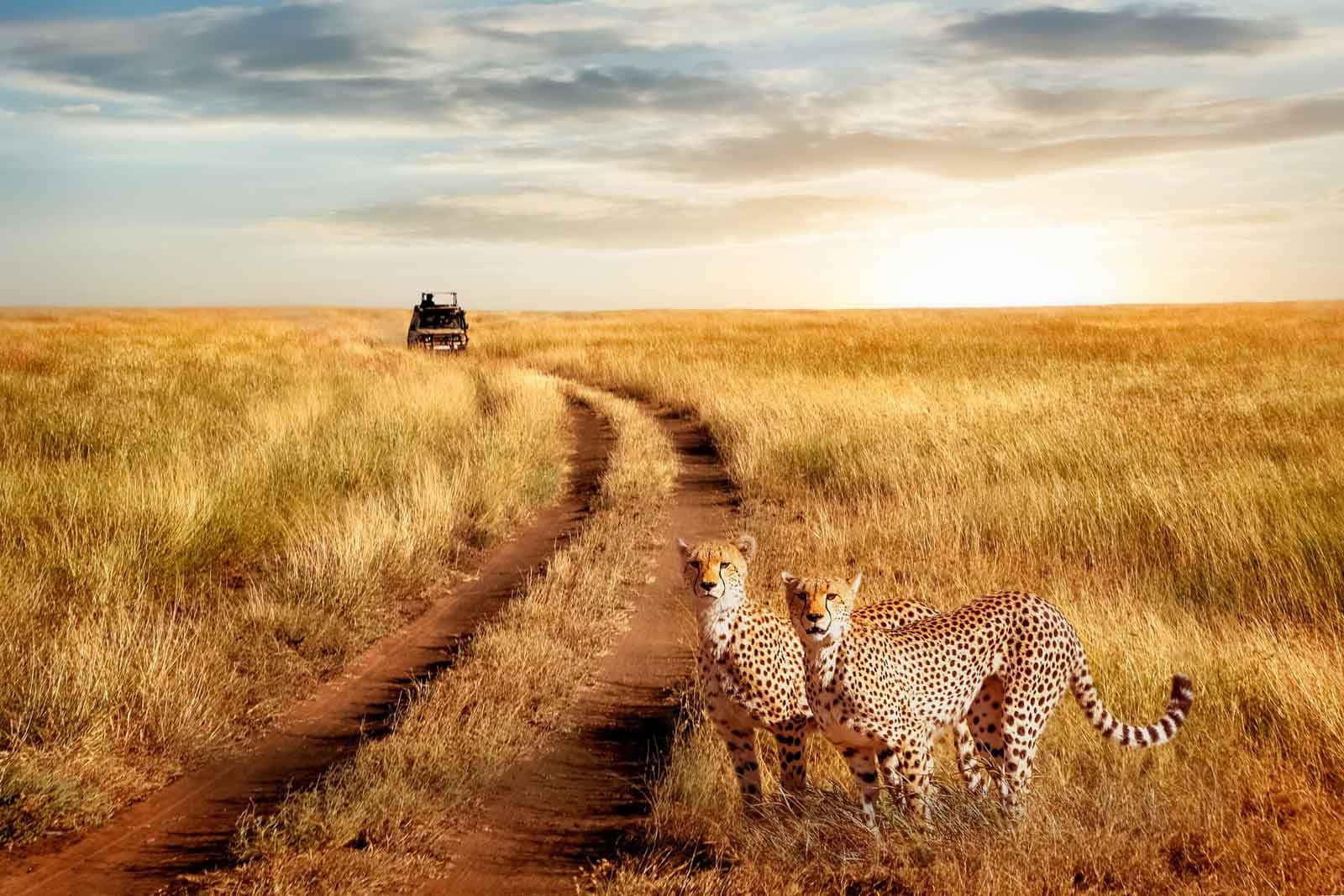
Visitors can also see predators such as lions, cheetahs, and hyenas hunting
during this period. Other attractions include the Seronera Valley, known for
year-round wildlife sightings, and the Grumeti River, where crocodiles wait for
migrating herds. Birdwatchers can enjoy over 500 species, while kopjes (rock
formations) provide unique landscapes and habitats for lions and smaller
mammals.
Best Time to
Visit Serengeti National Park
The best time depends on what you want to see. From
December to March, the southern plains host calving season, with thousands of
newborn wildebeest attracting predators. June to July is ideal for river
crossings at Grumeti, while August to October offers dramatic crossings at the
Mara River. The dry season from June to October generally provides easier wildlife
viewing as animals gather near water sources. Travelers should plan based on
their preferred wildlife experiences and book early to secure accommodation.
How to Get to
Serengeti National Park
Most visitors fly into Kilimanjaro International
Airport or Arusha, then connect by road or domestic flights to airstrips inside
the park. Road transfers from Arusha take about 7–8 hours, passing through
Ngorongoro Conservation Area. For convenience, charter flights to Seronera or
other airstrips are available, reducing travel time significantly. Organized
safaris usually include transport, making logistics easier for travelers
unfamiliar with the region.
What Are the
Things to Do in Serengeti National Park
Game drives are the main activity, offering close
views of wildlife across different zones. Hot air balloon safaris provide a
bird’s-eye view of the plains at sunrise. Walking safaris, guided by rangers,
allow visitors to learn about smaller animals, plants, and tracks. Cultural
visits to nearby Maasai communities add human context to the safari experience.
Photographers can capture dramatic landscapes and wildlife behavior, while
birdwatching is rewarding year-round.
Pro Tips for
Visiting Serengeti National Park
Book accommodation and permits at least six months
in advance, especially during migration season. Pack neutral-colored clothing,
sunscreen, insect repellent, and binoculars for better viewing. Travel
insurance is recommended, and carrying cash in small denominations helps with
local purchases. Respect park rules by staying inside vehicles during game
drives and keeping noise levels low. Always follow guide instructions to ensure
safety and maximize sightings.
Accommodation
Options in Serengeti National Park
The park offers a wide range of options, from budget
campsites to luxury lodges. Central Serengeti lodges provide easy access to
year-round wildlife, while mobile camps move with the migration for prime
viewing. Luxury tented camps offer comfort with private bathrooms and fine
dining, while public campsites cater to self-drive travelers. Choosing
accommodation depends on budget, preferred level of comfort, and proximity to
migration routes.
Booking with
Zoophilist Adventures and Safaris
Booking with Zoophilist Adventures and Safaris
ensures professional planning and reliable support. We provide tailored
itineraries that match traveler preferences, covering transport, accommodation,
and guided activities. Our team understands migration patterns and seasonal
highlights, helping visitors choose the right time and location. By booking
through them, travelers benefit from local expertise, smooth logistics, and
personalized service that maximizes value and minimizes stress.