Location, Area it Covers, Background
Lake
Nakuru National Park is located in central Kenya, about 160 kilometers
northwest of Nairobi. It covers roughly 188 square kilometers, with Lake Nakuru
as its centerpiece. Established in 1961, the park was created to protect the
lake and its surrounding ecosystems, which include woodlands, grasslands, and
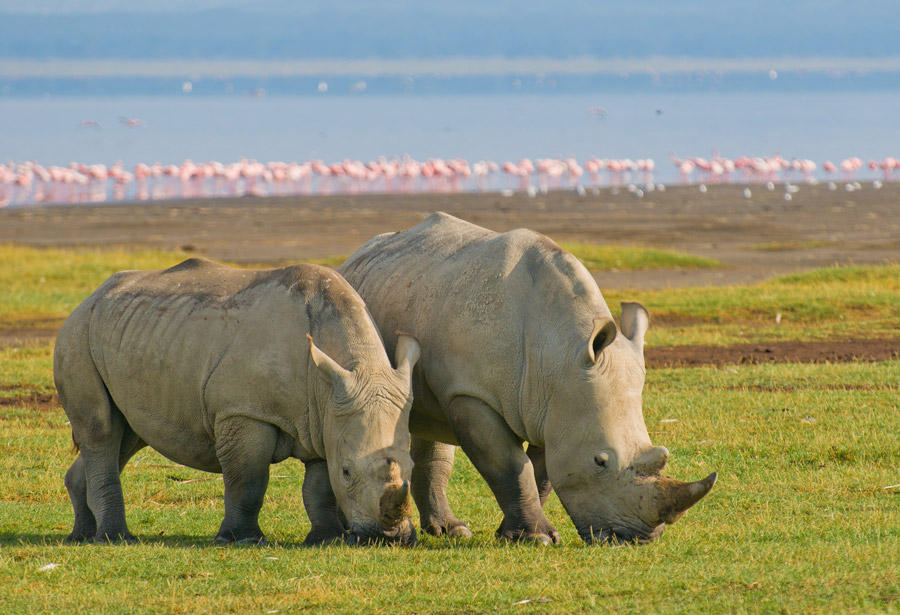
rocky escarpments. It is well known for its birdlife, especially flamingos that
gather along the lake’s shores, though numbers vary depending on water levels.
The park also plays a key role in rhino conservation, hosting both black and
white rhinos. Its background reflects Kenya’s commitment to protecting
biodiversity while offering visitors a chance to experience wildlife in a
compact, accessible setting.
Top Attractions
to See in Lake Nakuru National Park
Lake Nakuru National Park offers several attractions
that make it a popular safari destination. The lake itself is famous for its
birdlife, with
flamingos, pelicans, and storks being the main highlights. The park is also
home to rhinos, lions, leopards, and giraffes, making it suitable for big game
viewing. Baboon Cliff provides panoramic views of the lake and surrounding
plains, ideal for photography. Makalia Falls is another attraction, offering a
scenic spot within the park. Visitors can also see large herds of buffalo and
antelope grazing in open areas. Birdwatchers benefit from over 400 recorded
species, making the park one of Kenya’s best birding locations. These
attractions combine to give travelers a balanced safari experience with both
wildlife and landscapes.
Best Time to
Visit Lake Nakuru National Park
The best time to visit Lake Nakuru depends on your
interests. For wildlife viewing, the dry seasons from June to September and
January to February are ideal, as animals gather around water sources and
vegetation is less dense. Birdwatchers may prefer the wet season from November
to April, when migratory species arrive and breeding activity peaks. Flamingo
numbers vary depending on water levels, so sightings are not guaranteed
year-round. The park is accessible throughout the year, but roads can be muddy
during heavy rains. Planning ahead is important, as lodges fill quickly during
peak months. Choosing the right season ensures you maximize your safari
experience, whether your focus is big game, birdlife, or enjoying the park with
fewer crowds.
How to Get to
Lake Nakuru National Park
Lake Nakuru is easily accessible by road from
Nairobi, with a drive of about two to three hours along the Nairobi–Nakuru
highway. The route passes through the Great Rift Valley, offering scenic views
and opportunities to stop at viewpoints. Public transport options are
available, but most visitors prefer private transfers or organized tours for
convenience. For those with limited time, charter flights can be arranged to
nearby airstrips, though road travel remains the most common option. Transfers
from lodges to the park gates are usually included in packages. Choosing
between road and air depends on your budget and schedule, but the road option
is reliable and allows flexibility for stops along the way.
What Are the
Things to Do in Lake Nakuru National Park
Activities in Lake
Nakuru go beyond standard game drives. Morning and afternoon drives provide
opportunities to see rhinos, lions, giraffes, and buffaloes. Birdwatching is rewarding,
with hundreds of species across the lake and surrounding habitats. Photography
is popular, especially from viewpoints like Baboon Cliff and Lion Hill. Guided
nature walks in nearby conservancies allow closer observation of plants and
smaller animals. Picnicking at designated sites such as Makalia Falls adds
variety to the experience. Cultural visits to nearby communities can be
arranged, offering insight into local traditions. These activities ensure
visitors can tailor their safari to match personal interests, whether focused
on wildlife, landscapes, or cultural encounters.
Pro Tips for
Visiting Lake Nakuru National Park
Planning ahead makes your Lake Nakuru safari
smoother. Book lodges and tours at least three to six months in advance,
especially during peak season. Carry layered clothing, as mornings can be cool
and afternoons warm. A good camera with zoom lens helps capture birds and
wildlife at a distance. Pack insect repellent and sunscreen for comfort. Choose
a reliable operator to handle logistics and guides, as local expertise enhances
your experience. Travel insurance is recommended for peace of mind. Staying
flexible with schedules allows you to adjust to wildlife movements and weather
changes. Respect park rules by keeping distance from animals and avoiding
off-road driving. These tips ensure your safari is safe, productive, and
enjoyable.
Accommodation
Options in Lake Nakuru National Park
Lake Nakuru offers a range of accommodation options
to suit different budgets. Luxury lodges such as Sarova Lion Hill Lodge provide
comfort with modern amenities and prime locations near wildlife hotspots.
Mid-range options like Lake Nakuru Lodge offer good value with comfortable
facilities. Budget travelers can choose tented camps or basic lodges near the
park gates. Mobile camps are available during certain seasons, placing guests
close to key attractions. Most lodges provide meals, game drives, and
transfers, making packages convenient. Choosing accommodation depends on your
budget, desired comfort level, and proximity to attractions. Early booking is
essential during peak months to secure preferred options.
Booking with
Zoophilist Adventures and Safaris
Booking your Lake Nakuru safari with Zoophilist Adventures and Safaris
ensures a well-organized and value-driven experience. They handle all
logistics, including park entry, accommodation, and guided activities, saving
you time and effort. Their professional guides know the best spots for wildlife
viewing, whether it’s rhinos in the grasslands or flamingos along the lake
shore. Packages can be tailored to your interests, combining game drives with
birdwatching or cultural visits. By booking through Zoophilist, you also
support responsible tourism practices that benefit local communities and
conservation efforts. Early booking is recommended to secure lodges and
permits, especially during peak season. With Zoophilist, you gain reliable
service, expert guidance, and a safari that balances convenience, wildlife, and
cultural experiences.