
A
safari is more than simply visiting a national park and searching for wildlife.
Every safari unfolds in its own way because nature is constantly changing. The
animals you see, the weather, the landscape, and the route you take, and even
the time of day can create a completely different experience. Two travelers
visiting the same park on the same day can return with different stories.
Wildlife Never Follows a Script
One
of the biggest reasons every safari is different is that wildlife moves
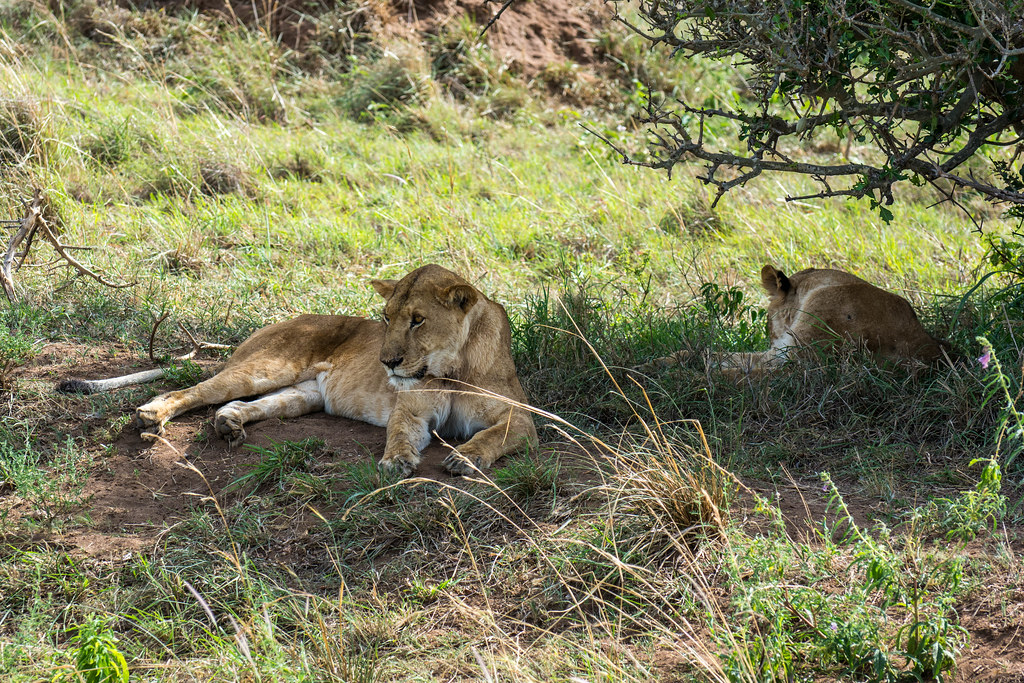
according to its own instincts and routines. Lions may be resting under a tree
one morning and actively hunting later in the day. Elephants
can gather around a water source, while other animals may disappear into
thicker vegetation. You might find a leopard during one game drive and spend
hours searching for one on another. This unpredictability is what makes each
game drive exciting.
The Season Changes the Safari
Experience
The
time of year you visit can greatly influence what you experience. During the
dry season, vegetation is generally shorter and animals often gather around
water sources, making wildlife easier to spot. In the wet season, the parks
become greener and more scenic, with fresh vegetation and many young animals.
However, thicker vegetation can sometimes make wildlife harder to see. The same
park can therefore look and feel completely different depending on the season.
Every National Park Has Its Own
Character
No
two-safari destinations offer exactly the same experience. Uganda's national
parks each have their own landscapes, wildlife and activities. Queen
Elizabeth National Park is known for its diverse wildlife and the Kazinga
Channel boat cruise, while Murchison Falls National Park combines game viewing
with the dramatic Murchison Falls. Kidepo Valley National Park offers vast
wilderness and rugged scenery, while Lake Mburo provides opportunities for
walking and horseback safaris. The destination you choose shapes the kind of
safari you experience.
The Time of Day Makes a Difference
Wildlife
behavior changes throughout the day, which is why morning and afternoon game
drives can feel completely different. Early morning is often a good time to
look for active predators and animals beginning their day. As temperatures
rise, many animals become less active and seek shade. Later in the afternoon,
wildlife becomes more active again as temperatures begin to fall. Choosing
different times for game drives can therefore reveal different sides of the
same park.
Your Safari Activities Shape the
Experience
A
safari does not have to be limited to a vehicle-based game drive. Walking
safaris allow you to explore the wilderness at a slower pace and notice smaller
details such as tracks, plants, insects and birdcalls. Boat safaris provide a
different perspective of wildlife along rivers and lakes, while chimpanzee
trekking and gorilla trekking offer close encounters with primates. Combining
several activities can make your safari feel much more varied and personal.
The People You Travel With Matter
Your
travel companions can also influence your safari experience. A family safari
may focus on relaxed activities, shared moments, while a couple may prefer
private game drives, and quieter experiences. Solo travelers may enjoy greater
flexibility in choosing activities and spending more time observing wildlife.
Even when visiting the same destination, different travelers can create
completely different safari memories.
Unexpected Encounters Make Each
Safari Special
Sometimes
the most memorable moments are the ones you did not plan for. You may come
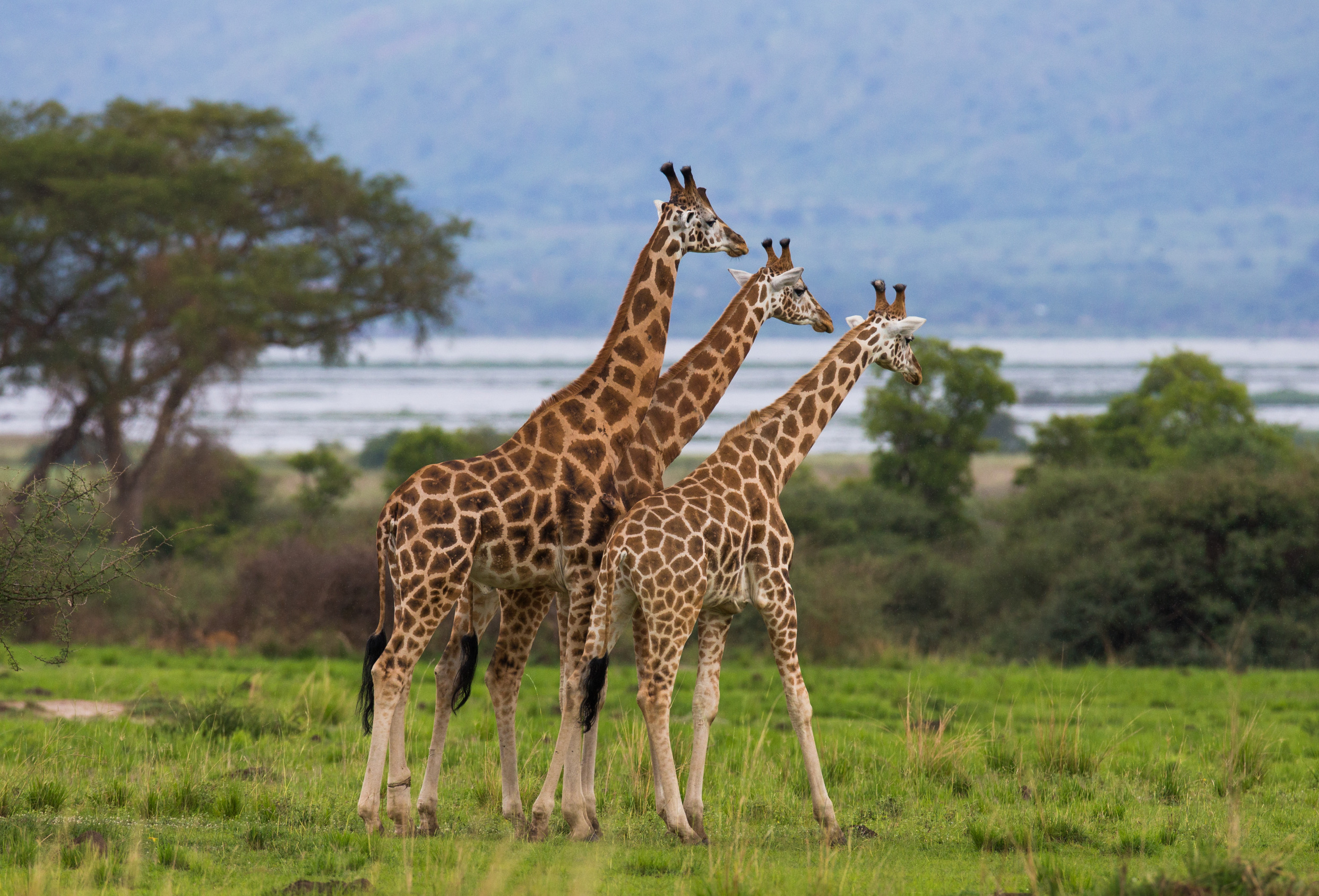
across a herd of elephants crossing the road, watch giraffes moving across the
savannah, see a spectacular sunset or encounter predators during an unexpected
moment. These encounters cannot be guaranteed or scheduled, and that is part of
the beauty of going on safari.
Choose a Safari That Matches Your
Interests
Since
no safari is the same, planning should begin with what you want to experience.
Wildlife lovers may prioritize game drives; birdwatchers may choose
destinations with rich birdlife, while adventure seekers can combine wildlife
viewing with hiking, boat cruises or walking safaris. Choosing the right
destination, season and activities helps create a safari that matches your
interests rather than simply following a standard itinerary.
Every
safari is different because the wilderness is never predictable. Wildlife
behaves differently, seasons transform the landscape, and each destination
offers its own combination of scenery, activities and encounters. You may
return to the same park several times and still experience something new. That
uncertainty is not a disadvantage, it is one of the main reasons safaris
continue to offer exciting and personal adventures.