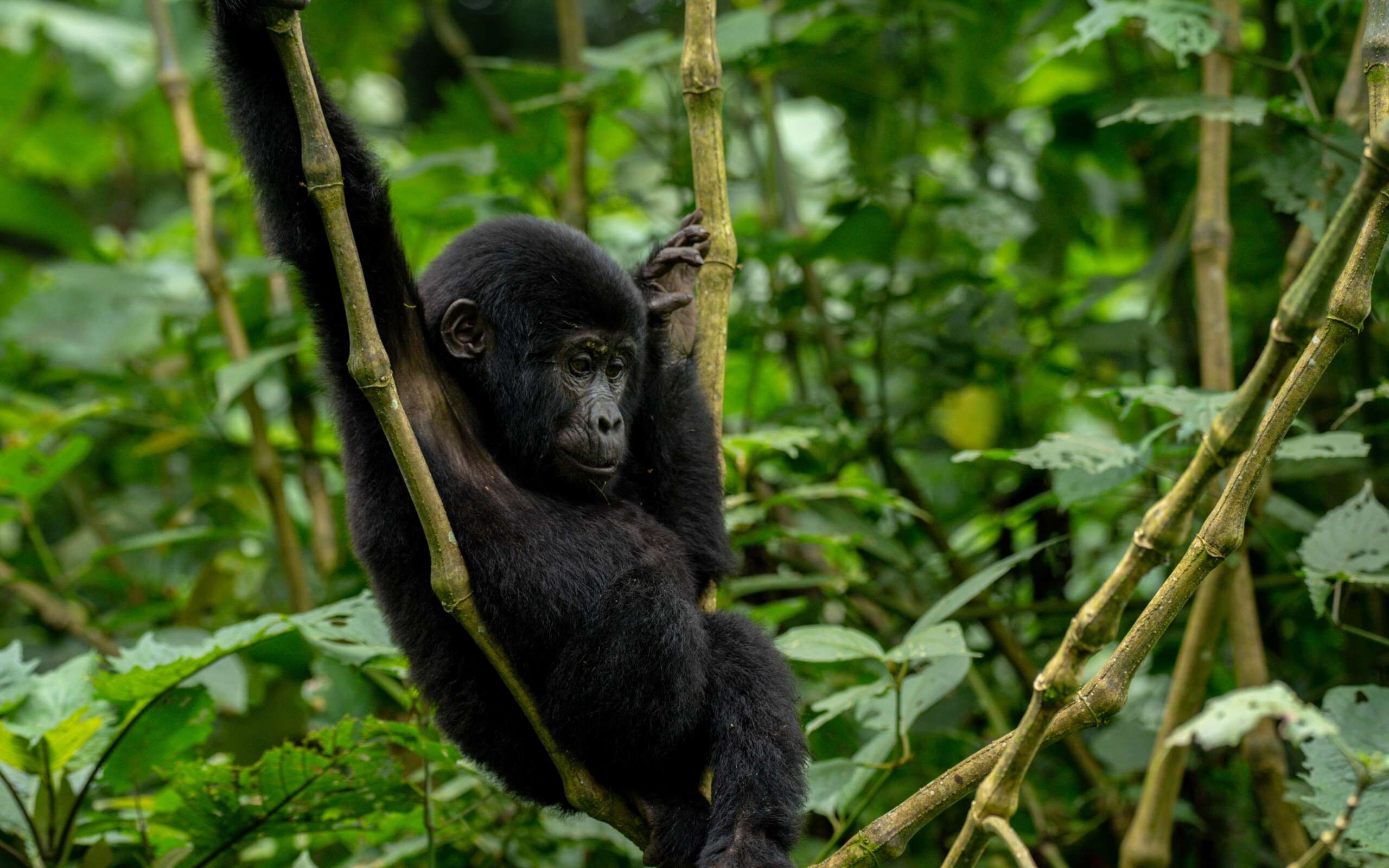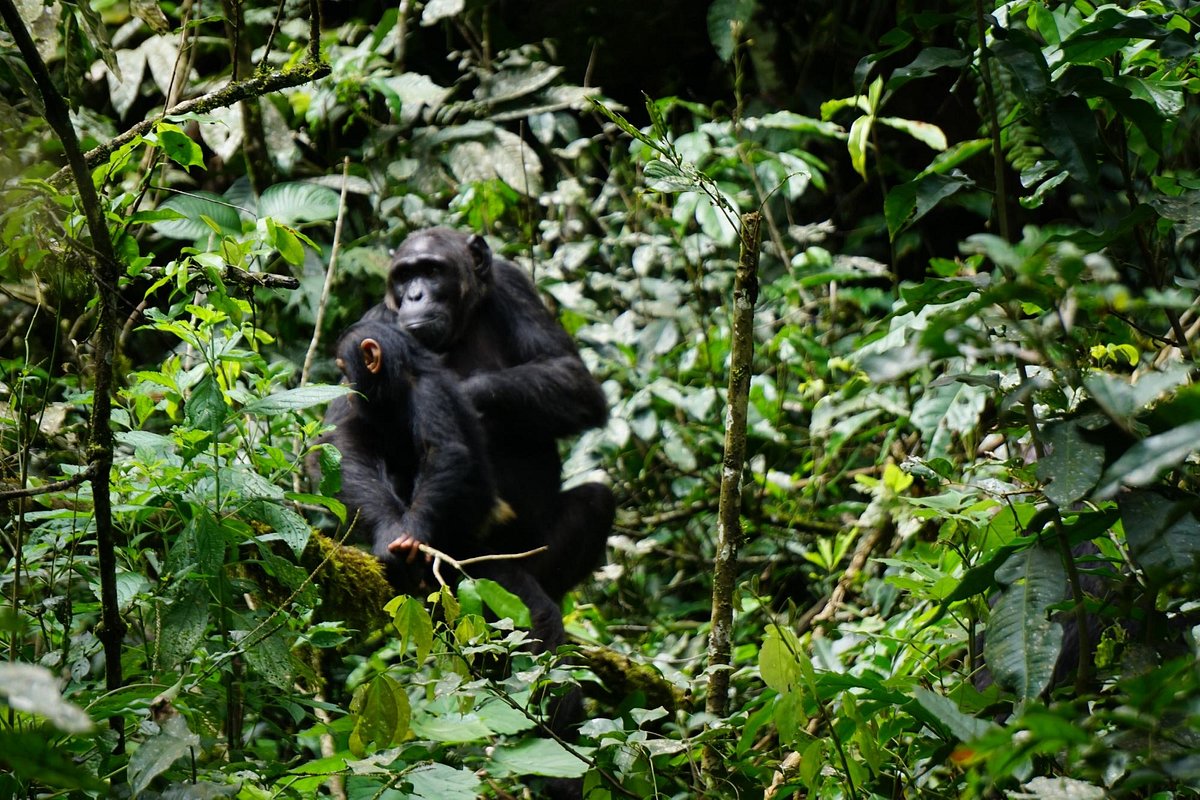

Combining Bwindi
and Kibale gives you two major primate experiences in one efficient trip.
Bwindi offers mountain gorilla tracking in steep, cool rainforest, while Kibale
provides chimpanzee tracking in warmer, flatter woodland. The 6‑7 hour drive
between them is straightforward, saving you extra flights and planning. This
pairing doubles your wildlife sightings gorillas, chimps, colobus, mangabeys,
and over 500 bird species across both parks. It also balances hiking
difficulty, so you tackle Bwindi’s tough trails first, then recover with
Kibale’s easier walks. Permits bundled together often cost less, and you
support local communities in two different regions. The scenery changes from
misty mountains to open forest, keeping each day fresh. Established tour routes
mean reliable logistics, and you can adjust trip length from 5 to 8 days. This
combo maximises animal viewing, minimises travel stress, and gives great value
for your time and money.
1. Two
Completely Different Primate Experiences
Bwindi is for mountain
gorillas; Kibale is for chimpanzees. Most tourists want to see both great
apes, but these species live in different habitats. Gorillas stay in
high-altitude forests, while chimps thrive in lower, drier woodlands. Doing
both parks on one trip gives you two distinct wildlife events without extra
flights or long detours. You get a fuller picture of Uganda’s primate life in a
single itinerary. This saves planning headaches because you book one tour that
covers both, rather than arranging separate trips later. For travellers who
value their time and money, combining them means you check off two major goals
in one go.
2. Efficient Use
of Travel Days
The drive between Bwindi and Kibale takes about 6–7 hours on good roads. That
is manageable in one day with a stop for lunch. Many tourists worry about
wasting days on transport, but this route is straightforward and passes through
interesting towns. You can leave Bwindi early morning and reach Kibale by
afternoon, still with time to rest. Compare that to flying between distant
parks, which costs more and eats up airport waiting time. Overland travel also
lets you see local farms, tea plantations, and village life. For a 10‑day tour,
this combination gives you maximum animal time and minimum moving stress.
3. Higher Chance
of Seeing Primates
Gorilla tracking depends on weather and gorilla movement; sometimes you walk
hours or get limited viewing time. Chimpanzee tracking is more reliable because
chimps are active and noisy, but they move fast. If one park has a bad day
heavy rain or shy groups the other park usually delivers. By combining, you
reduce the risk of going home without a good primate sighting. Tour operators
often recommend this pair for exactly that reason. You also get two permits
(gorilla and chimp) which are easier to secure when booked together. This
practical backup plan gives peace of mind, especially for first-time visitors
to Africa.
4. Varied Hiking
Difficulty Levels
Bwindi’s gorilla treks can be steep, muddy, and tiring some trails go up and
down ridges for 4‑6 hours. Kibale’s chimp tracking is flatter, with shorter
walks (2‑3 hours) on clearer paths. If you do Bwindi first, you can recover
with the easier Kibale
walks. This mix suits groups with different fitness levels—older travellers
or kids can handle Kibale, while fit members enjoy Bwindi. You don’t have to
choose a park based only on difficulty; you get both. Guides also adjust pace
in each park. This balance keeps everyone comfortable and reduces complaints
about exhaustion, which is a common worry for safari planners.
5. Broader Bird
and Animal Lists
Bwindi has forest birds like the African green broadbill and rare mammals like
the golden monkey. Kibale hosts red colobus, mangabeys, and over 375 bird
species including the great blue turaco. Together, they cover lowland and
montane ecosystems. In one trip, you can tick off more than 500 bird species
and 13 primate types. That matters if you are a keen wildlife watcher who wants
a comprehensive checklist. You also see forest elephants in Bwindi and bush
pigs in Kibale animals that rarely overlap. Instead of visiting two similar
parks, you get complementary biodiversity that makes every game drive or walk
feel fresh.
6. Affordable
Combined Permits and Packages
Many tour companies bundle
gorilla and chimp permits at a slight discount compared to buying
separately. They also group accommodation, transport, and guide fees into one
package. This lowers per-day costs because you share the vehicle and driver for
the whole route. Independent travellers often find that adding Kibale to a
Bwindi trip costs less than a separate chimp tour elsewhere. Permits are priced
in US dollars, so combining helps you budget clearly without hidden extras.
Local operators have fixed rates for these two parks, so you avoid price
surprises. For cost-conscious tourists, this combination offers the best value
for money in Uganda.
7. Different
Scenery and Climate Breaks
Bwindi is cool and misty, with
dense rainforest and steep hills. Kibale is warmer, with more open woodland and
swampy areas. The change in landscape breaks the visual monotony of a long
safari. After days in Bwindi’s thick vegetation, Kibale’s lighter forest feels
refreshing. You also get different photography backgrounds dark green mossy
trees versus golden afternoon light through tall canopy. This variety keeps
your camera busy and your interest high. Travellers often mention that the
climate shift helps with packing: you need warm layers for Bwindi mornings, but
lighter clothes for Kibale afternoons. That natural contrast makes the tour
feel like two holidays in one.
8. Support Local
Communities in Two Regions
Both parks have community projects Bwindi’s Batwa cultural walks and Kibale’s
village coffee tours. By visiting both, you spread tourist money to more rural
areas. Bwindi’s local guides rely on gorilla tourism; Kibale’s cooperatives
depend on chimp trekkers. You directly help different tribes and families, not
just one region. Many tourists care about ethical travel and want their fees to
benefit locals. Combining means your spending reaches more people, from porters
to craft sellers. You also get to compare two distinct cultures the Bakiga near
Bwindi and the Batooro near Kibale. This doubles your cultural takeaway without
extra planning.
9. Easy
Logistics with Existing Tour Routes
Most Ugandan safari operators
already run this exact circuit because it is well-tested. Roads are mapped,
fuel stops known, and accommodations pre‑negotiated. You do not need to invent
a route or worry about unknown variables. The parks are close enough that a
driver can handle both without special permits or border crossings. Many lodges
offer packed lunches for the transfer day. This established infrastructure
means fewer delays and better backup if a vehicle breaks down help is nearby.
For travellers who dislike uncertainty, this combination is a safe, proven
choice used by thousands of tourists each year.
10. Flexible
Trip Length Options
You can do Bwindi in 2 days and Kibale in 1.5 days, fitting a solid primate
tour into just 5–6 total travel days. Or stretch to 8 days with extra walks and
village visits. This flexibility suits both short-break travellers and those on
longer east Africa circuits. You are not locked into a fixed minimum stay. If
flights are tight, you skip one park’s optional activities and still see the
main attraction. If you have spare time, add a swamp walk or night game drive.
This adaptability reduces pressure to fit a rigid schedule a big relief for
busy people planning their annual leave.
Best time to combine
Bwindi and Kibale National parks
The best times to combine Bwindi and Kibale are
during the dry seasons: June to August and December to February. In these
months, trails are firmer and less slippery, making hiking in both forests
easier. The drier weather also improves visibility for spotting gorillas and
chimpanzees. These periods are peak tourist seasons, so you need to book
permits and accommodation well in advance. You can still visit during the rainy
seasons from March to May and September to November, but expect muddy, more
challenging treks. The wet months offer quieter parks and cheaper rates, but
travel is harder. For most travellers, the dry seasons provide the most
comfortable and reliable experience for visiting both parks in one trip