
Uganda stands out as the ultimate destination for primate
safaris, offering unmatched value, diversity, and exclusivity. With gorilla
trekking permits at half Rwanda’s price, travelers save significantly while enjoying
the same intimate encounters in Bwindi. The unique gorilla habituation
experience, available only in Uganda, allows four hours with semi-habituated
gorillas, deepening the connection. In Kibale Forest, over 1,500 chimpanzees
make sightings highly reliable, while combining gorilla and chimp trekking in
one trip creates a complete primate adventure. Affordable safari packages, less
crowded trekking groups, and diverse ecosystems from rainforests to savannahs add
further appeal. Unique highlights like tree-climbing lions, expert local
guides, and Uganda’s reputation as a safe, welcoming country ensure a rewarding
experience. Together, these ten reasons make Uganda the best choice for primate
enthusiasts worldwide.
1. Half the
Price of Rwanda for Gorilla Trekking
Uganda offers gorilla
trekking permits at $800, which is nearly half the $1,500 cost in neighboring
Rwanda. This lower permit price makes Uganda the more affordable choice for
travelers who want to see mountain gorillas without paying the premium price.
The money you save on permits can go toward extra nights, more activities, or
better accommodation. For a family or group of four, the saving adds up to
$2,800, which is significant. Despite the lower cost, the experience is the
same quality, with trained rangers, small group sizes, and one hour with the
gorillas. Uganda also offers the gorilla habituation experience at $1,500,
which gives you four hours with semi-habituated gorillas something not
available in Rwanda. This price difference makes Uganda a budget-friendly
destination for primate lovers.
2. The Gorilla
Habituation Experience
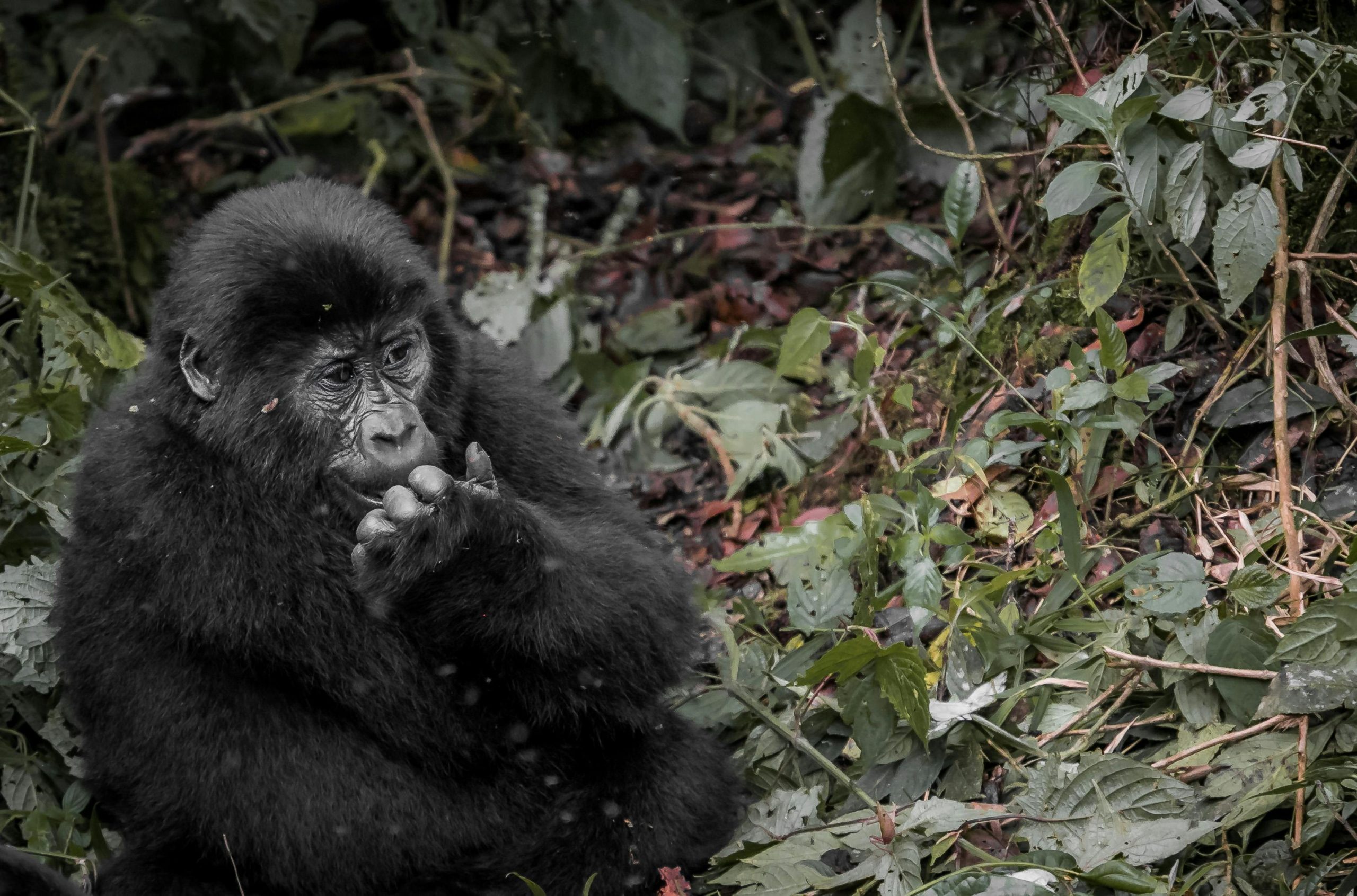
Uganda is the only country where you can do the
gorilla habituation experience. This allows you to spend four hours with a
gorilla family that is still getting used to human presence. You join
researchers and trackers as they observe the gorillas, record their behavior,
and help them accept human observers. Only four visitors are allowed per day,
so you have an exclusive, intimate experience without the crowds. This is a
much deeper experience than standard trekking, as you see how gorillas eat,
rest, play, and interact over a longer period. The cost is $1,500, which covers
the full day. This is available only in Bwindi and Mgahinga, so plan ahead.
This experience suits travelers who want more than a quick photo opportunity.
3. Over 500
Chimpanzees in Kibale Forest
Kibale Forest National Park holds over 1,500
chimpanzees, giving it the highest chimp density in all of Africa. This
means your chances of seeing chimps during a trek are very high, often above 90
percent. You walk through the forest with a ranger who tracks the chimps by
their calls, and within two to four hours, you find a troop. The chimps are
habituated and used to human presence, so you watch them feed, groom, and play
from a close distance. You can also do the chimp habituation experience for
$300, spending a full day with the chimps. The park is easy to reach from
Kampala, making it a popular stop for travelers. This is the best place in
Africa for chimpanzee viewing.
4. See Both
Gorillas and Chimps in One Trip
Uganda is one of the only places in the world where
you can see both mountain gorillas and chimpanzees on the same trip. Bwindi and
Mgahinga offer gorilla trekking, while Kibale and Kyambura Gorge offer chimp
trekking. The parks are within a few hours' drive of each other, so you can
easily combine both activities in a single safari. This gives you a full
primate experience without traveling to multiple countries. You compare the
behavior of gorillas and chimps side by side, seeing how different these
primates are. Gorillas are calm and ground-dwelling, while chimps are energetic
and spend most of their time in trees. This variety makes Uganda the ultimate
destination for primate enthusiasts and photographers.
5. Affordable
Safari Packages
Uganda offers safari packages at lower prices than
most other African destinations for the same quality of experience. Budget
gorilla safaris start at around $700 to $1,200 for short trips, while mid-range
packages combine gorilla and chimp trekking, wildlife viewing, and boat safaris
for $1,500 to $3,800. Luxury packages go up to $7,000 or more, but these
include high-end accommodation and private guides. The lower permit costs,
affordable accommodation, and cheaper vehicle hire keep overall costs down. You
can easily find package deals that include permits, transport, meals, and
lodging for less than $400 per day. This makes Uganda accessible to a wider
range of travelers. Compare this with Rwanda or Tanzania, and Uganda clearly
offers better value.
6. Less Crowded
Trekking Groups
Uganda limits each gorilla
trekking group to eight people, which is the same as Rwanda. However,
Uganda has more gorilla families available for trekking, meaning you are spread
out across different groups. This reduces crowding on the trails and at the
gorilla viewing site. You do not share the forest with multiple groups at the
same time. For the habituation experience, only four people are allowed per
group, giving you a truly private experience. The lower tourist numbers overall
mean you get more personal attention from the ranger and guides. This is a big
advantage for photographers who want clear shots without people blocking the
view. Many travelers choose Uganda specifically to avoid the busier feel of
Rwanda.
7. Diverse
Ecosystems in One Country
Uganda packs a wide range of ecosystems into a small
country, from rainforests and savannahs to wetlands and mountains. You can
track gorillas in the thick forests of Bwindi, see lions in the open plains of
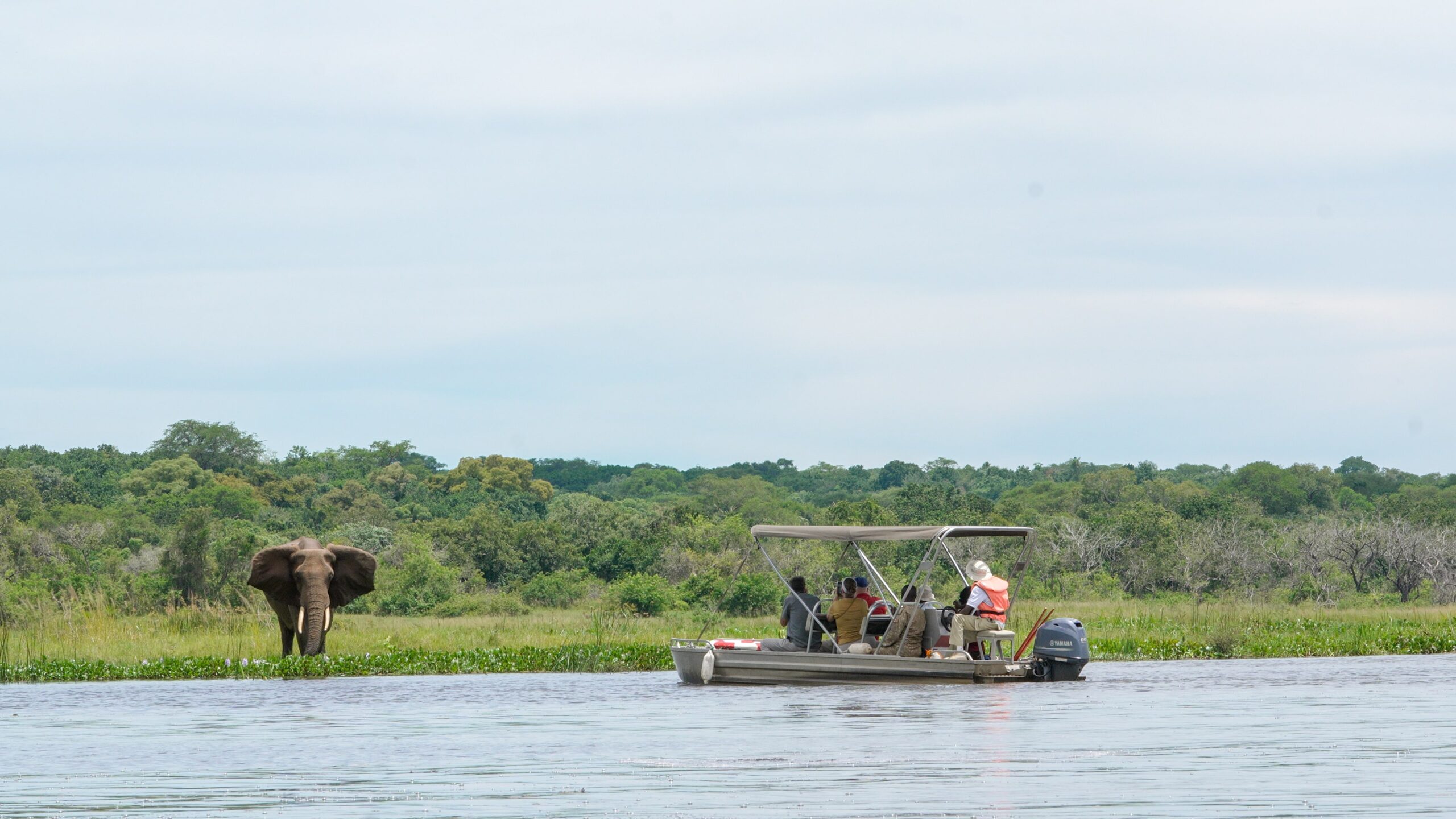
Queen Elizabeth, and cruise the Nile in Murchison Falls, all within a week's
trip. The country sits at the meeting point of the East African savannah and
the Congo Basin rainforest, giving you a unique mix of wildlife. This diversity
means you see animals that other countries do not have, such as the shoebill
stork in the wetlands or the tree-climbing lions of Ishasha. You do not need to
travel between multiple countries to get a full African safari experience.
Everything is within reasonable driving distance.
8. The Chance to
See Tree-Climbing Lions
Queen Elizabeth National Park has a population of
lions that climb trees, which is a rare behavior found in only a few places in
Africa. In the Ishasha sector, you see lions resting on fig tree branches
during the heat of the day. The sight of a lion stretched out on a tree limb is
unusual and makes for great photos. The lions are habituated to vehicles, so
you can approach them closely for clear shots. This is a major draw for
travelers who have already seen lions elsewhere and want something different.
The park is on the main tourist route between Bwindi and Kibale, so it is easy
to add to your itinerary. Game drives in the park cost $40 per day, making this
accessible for most budgets.
9. Expert Local
Guides and Rangers
Ugandan guides and rangers are well-trained,
knowledgeable, and experienced in tracking
primates and wildlife. Most guides have worked in the parks for many years
and know the behavior and habits of the animals well. They can identify
individual gorillas by name and tell you about their personalities and family
history. The guides also understand the terrain and weather conditions, so they
choose the best routes for your trek. Many speak good English and can answer
your questions in detail. You feel safe and well-informed under their care. The
rangers also play a role in conservation, protecting the animals from poaching.
Their work directly supports the local community, so your visit helps fund
these efforts. This professional service enhances your overall safari
experience.
10. Safe and
Welcoming Country
Uganda is a safe and welcoming country for
travelers, with friendly locals who appreciate tourism. The government and
Uganda Wildlife Authority have invested heavily in park security and visitor
safety. You are accompanied by armed rangers during treks to protect you from
any wildlife risks. The crime rate targeting tourists is low compared to other
African destinations, and the people in rural areas are helpful and honest. The
country has a stable political environment, with well-maintained roads to
national parks. Ugandans are known for their hospitality, and you often feel
welcomed into communities during cultural visits. English is widely spoken,
making communication easy. Travelers report feeling safe throughout their
trips, which is an important factor when choosing a safari destination.
Best time to
travel to Uganda for Primate safari.
The best time for a primate safari in Uganda is
during the dry seasons, which run from December to February and June
to September. During these months, the trails in parks like Bwindi and Kibale
are drier and easier to walk on, and the vegetation is less dense, which
improves visibility for spotting gorillas and chimpanzees. This period is also
peak season, so you will need to book your permits and accommodations well in
advance. However, primate trekking is possible all year round. The rainy
seasons (March to May and October to November) bring muddy trails that can make
hiking harder, but they also mean lower costs, fewer tourists, and a unique
chance to see the forest at its most vibrant
How to get there
for Uganda for Primate safari
The most straightforward way to get to Uganda for a
primate safari is to fly into Entebbe International Airport (EBB), which
is the country's main international hub located about 40 kilometers from
Kampala. From Entebbe, you can take a road transfer to the primate parks, with
the drive to Kibale Forest taking around 4-5 hours, while Bwindi is
approximately 7-9 hours by road. Alternatively, many travelers choose to fly
into Kigali International Airport (KGL) in Rwanda, as it has better
international flight connections and is actually closer to Bwindi Impenetrable
Forest for gorilla trekking; the drive from Kigali to Bwindi takes about 3-4
hours via the Cyanika or Gatuna border crossings, saving you long driving days
from Kampala. For those who want to save time and avoid rough roads, domestic
charter flights are available from Entebbe to airstrips near Bwindi, Kibale,
and Queen Elizabeth National Park, reducing travel time to about one to two
hours. Your tour operator will typically arrange all transfers, including
cross-border transport if you fly into Rwanda, and will coordinate your permits
and logistics to ensure a smooth arrival.